Dong Nai 4 Labor Union Secures Bronze in Thrilling Vietnam Workers and Civil Servants Football Tournament 2026 Finals

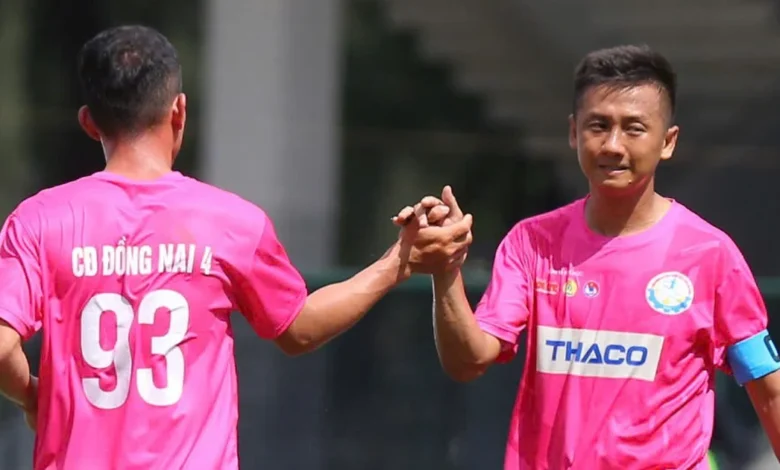
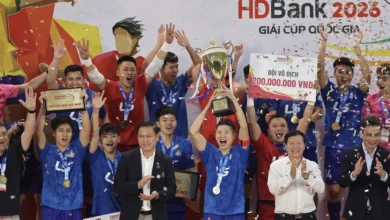
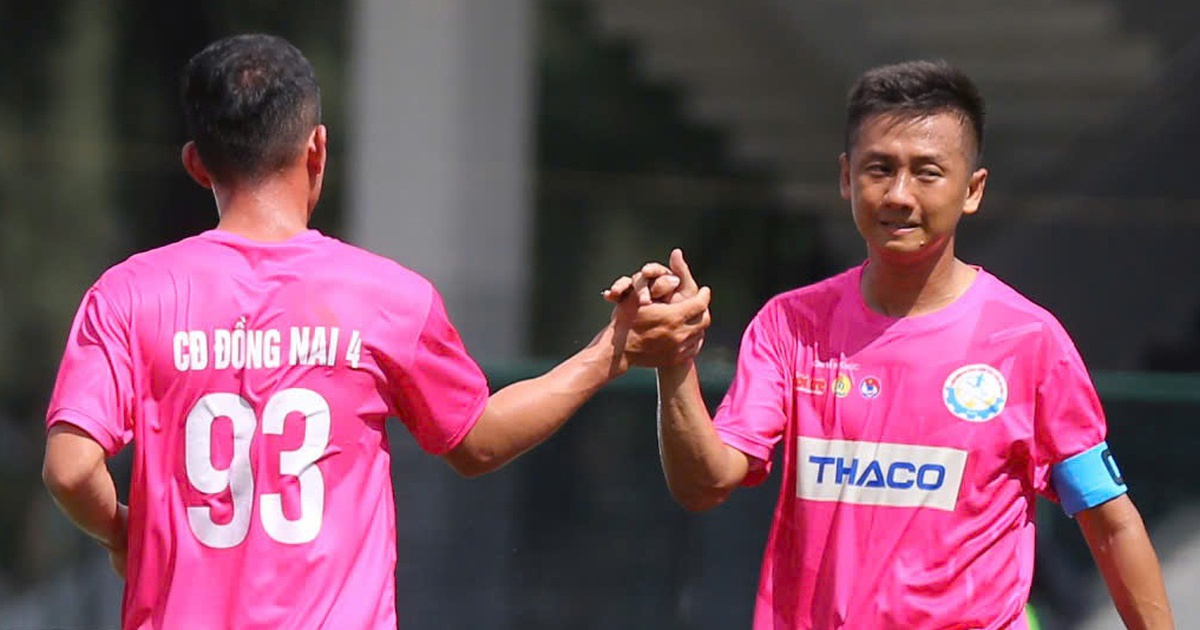
In a compelling display of resilience and strategic play, the Dong Nai 4 Labor Union football team triumphed over SACOMBANK with a decisive 3-0 victory to claim third place in the highly anticipated Vietnam Workers and Civil Servants Football Tournament 2026. The bronze medal match, held on the afternoon of July 19, 2026, at Ton Duc Thang University in Ho Chi Minh City, marked a significant achievement for the Dong Nai representatives and brought an exciting conclusion to the national finals.
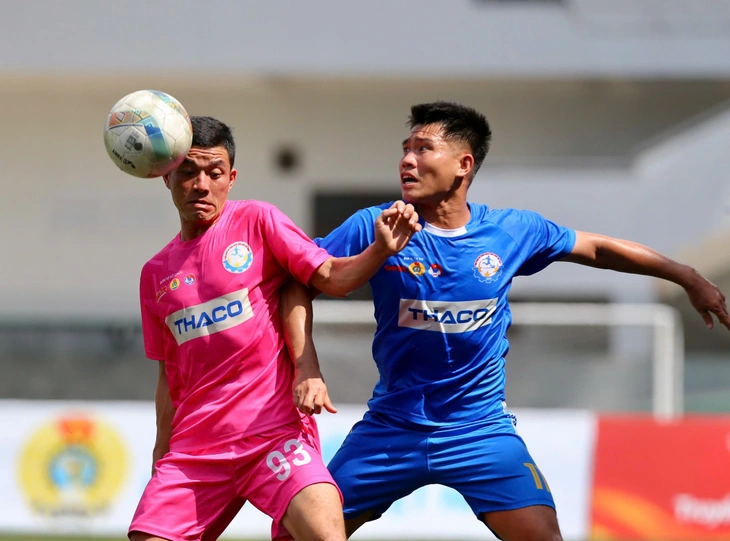
The contest for third place pitted two determined teams against each other, with SACOMBANK initially showcasing what appeared to be a superior squad on paper. From the opening whistle, the banking sector’s representatives adopted a confident, attacking style, dominating possession and pushing forward with numerous offensive maneuvers. Their forwards, however, struggled to convert these opportunities into goals, repeatedly finding themselves "out of luck" in the final critical moments. This inability to capitalize on their early advantage would prove costly as the match progressed.
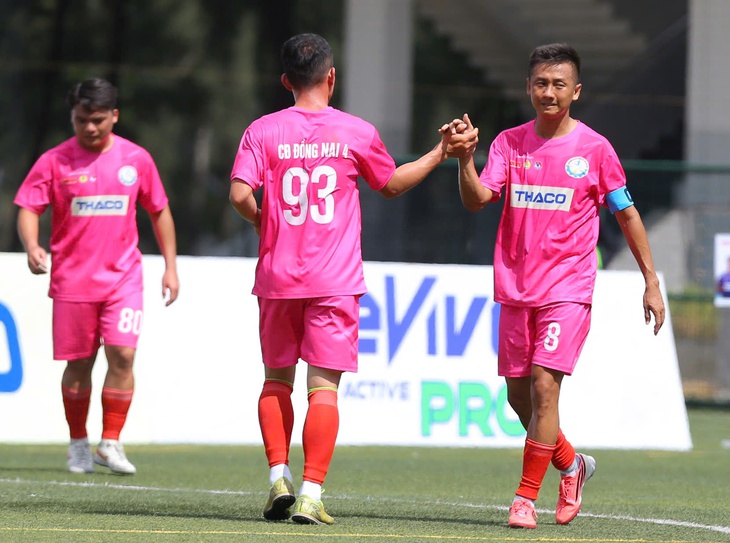
Dong Nai 4, despite facing a seemingly stronger opponent, maintained a disciplined defensive structure and patiently awaited their chances. Their tactical approach paid dividends in the 15th minute when, amidst SACOMBANK’s relentless but fruitless attacks, Nguyen Xuan Manh executed a swift counter-attack. Bursting into the penalty area, Manh delivered a powerful strike that sailed past SACOMBANK’s goalkeeper, Hoang Tuan, giving Dong Nai 4 an unexpected 1-0 lead. This opening goal shifted the momentum, injecting a new sense of urgency into SACOMBANK’s play.
Stung by the conceded goal, SACOMBANK intensified their efforts, committing more players forward in a desperate search for an equalizer. This aggressive posture, however, left them vulnerable at the back. A critical error in midfield by Vo Van Ngoc of SACOMBANK proved to be the turning point. Losing possession in a dangerous area, the ball was swiftly intercepted by Dong Nai 4. Midfielder Phan Duy Tan, receiving a perfectly weighted pass from a teammate, surged forward and deftly placed the ball into the far corner of the net. This clinical finish doubled Dong Nai 4’s lead, extending their advantage to 2-0 and putting significant pressure on the banking team as the first half concluded.
Tactical Risks and a Decisive Second Half
Entering the second half with a two-goal deficit, SACOMBANK’s coaching staff made a bold strategic decision: they withdrew goalkeeper Hoang Tuan and opted for a "Power Play" formation. This tactic, common in futsal and often employed in dire situations in football, involves replacing the goalkeeper with an outfield player to gain an numerical advantage in attack. While it increases offensive pressure, it inherently carries substantial risk, leaving the goal largely unprotected. Unfortunately for SACOMBANK, this high-stakes gamble did not pay off. Despite their increased attacking presence, they continued to struggle with their finishing, failing to breach Dong Nai 4’s resolute defense.
As the clock wound down in the dying minutes of the match, the inherent risk of the Power Play tactic materialized. Dong Nai 4, capitalizing on SACOMBANK’s exposed goal, launched another well-executed counter-attack. They netted their third goal, effectively sealing their victory and extinguishing any lingering hopes for SACOMBANK. The final whistle blew with the scoreboard reading 3-0 in favor of Dong Nai 4, securing them the bronze medal and a commendable third-place finish in the prestigious tournament. The victory was a testament to their teamwork, tactical discipline, and ability to exploit their opponent’s weaknesses.
The Vietnam Workers and Civil Servants Football Tournament: A Growing Legacy
The Vietnam Workers and Civil Servants Football Tournament 2026 represents the fourth consecutive season of this impactful sporting event. Organized collaboratively by the Vietnam General Confederation of Labor and Tuoi Tre Newspaper, in partnership with the Vietnam Football Federation, the tournament has rapidly established itself as a significant annual fixture dedicated to the nation’s workforce. Its primary objectives extend beyond mere competition, aiming to promote physical training, enhance the cultural and spiritual lives of workers, civil servants, and laborers nationwide, and foster a spirit of unity and solidarity.
This year’s edition saw an impressive turnout, with 48 teams from across Vietnam participating in the regional qualification rounds. These fiercely contested qualifiers, held in major cities like Hanoi and Ho Chi Minh City, culminated in 16 elite teams earning their coveted spots in the national finals. The decision to host the national finals at Ton Duc Thang University in Ho Chi Minh City, from July 16 to 19, 2026, underscored the tournament’s commitment to providing top-tier facilities for its participants. Ton Duc Thang University is renowned for its modern sports infrastructure, offering an ideal environment for high-level amateur football.
A Significant Prize Pool and Strong Corporate Sponsorship
The tournament boasts a substantial total prize fund of 900 million VND (approximately 36,000 USD), reflecting its growing stature and the commitment of its organizers and sponsors. The national champion, in particular, receives a handsome prize of 200 million VND (approximately 8,000 USD), providing a strong incentive for teams to vie for the top honors. Such a prize pool is considerable for a grassroots, amateur competition, highlighting the value placed on employee sports and well-being.
A key factor in the tournament’s sustained success and expansion has been the unwavering support from its corporate partners. THACO (Truong Hai Auto Corporation), a leading Vietnamese automotive manufacturer, has notably served as the diamond sponsor for the fourth consecutive season. This long-term commitment from THACO, alongside contributions from other prominent brands such as Revive Sports Drink, Dong Luc Sports Group (a major Vietnamese sports equipment manufacturer), VTVcab (Vietnam Television Cable), and FPT Play (FPT Telecom’s online streaming service), has been instrumental. These sponsorships not only provide essential financial backing but also significantly amplify the tournament’s reach and impact, spreading its message of human values, solidarity, and community spirit throughout the country. Their continued involvement underscores a growing trend of corporate social responsibility (CSR) in Vietnam, where businesses actively engage in initiatives that benefit society.
Reactions and Implications
The bronze medal victory for Dong Nai 4 Labor Union was met with jubilant celebrations from their squad and supporters. Speaking after the match (inferred), a representative from the Dong Nai 4 team expressed immense pride: "We knew SACOMBANK was a strong opponent, but our team showed incredible spirit, discipline, and teamwork. We capitalized on their mistakes and fought for every ball. This bronze medal is a testament to the hard work of every player and the support from our union." This sentiment likely reflects the deep sense of accomplishment for an amateur team competing on a national stage.
For SACOMBANK (inferred), the defeat, particularly after initially dominating possession, would undoubtedly be a source of disappointment. A team spokesperson might have remarked, "We had our chances, especially in the first half, but couldn’t convert. The Power Play was a risk we had to take, but it didn’t work out. We congratulate Dong Nai 4 on their well-deserved victory and will learn valuable lessons from this experience for next year." Such reflections highlight the competitive nature of the tournament despite its amateur status.
Organizers, including representatives from the Vietnam General Confederation of Labor and Tuoi Tre Newspaper (inferred), would likely hail the 2026 tournament as another resounding success. "The increasing participation, the high quality of play, and the enthusiastic support from fans across the country demonstrate the growing appeal and importance of this tournament," an organizer might have stated. "We are especially grateful for the continued partnership with our sponsors, particularly THACO, whose long-term commitment allows us to expand our reach and impact on the lives of Vietnamese workers." The Vietnam Football Federation (inferred) would also view such grassroots tournaments as vital for promoting football at all levels and encouraging a healthy lifestyle among the populace.
Broader Impact and Future Outlook
The Vietnam Workers and Civil Servants Football Tournament carries significant implications beyond the football pitch. For the participating labor unions and corporations, it serves as a powerful tool for boosting employee morale, fostering a sense of belonging, and promoting a healthy work-life balance. Engaged employees, who feel valued and supported in their personal development, are often more productive and loyal. The tournament also strengthens inter-company and inter-union relationships, creating networking opportunities and building camaraderie that can translate into broader societal benefits.
Furthermore, the continuous growth and professional organization of this event contribute to the overall development of amateur football in Vietnam. While not directly a feeder for professional leagues, it cultivates a love for the sport, encourages physical activity, and can inspire future generations of players and fans. The consistent sponsorship from major corporations like THACO and others sets a commendable standard for corporate social responsibility, demonstrating how businesses can actively invest in the well-being and community spirit of the nation.
As the Vietnam Workers and Civil Servants Football Tournament looks ahead to its fifth season, its established reputation, increasing participation, and robust sponsorship indicate a bright future. It is poised to continue playing a vital role in unifying the Vietnamese workforce through the universal language of sport, championing health, solidarity, and cultural enrichment for years to come.