Israel Chess Teams Suffer Forfeiture at 2026 Olympiad Due to Yom Kippur Observance

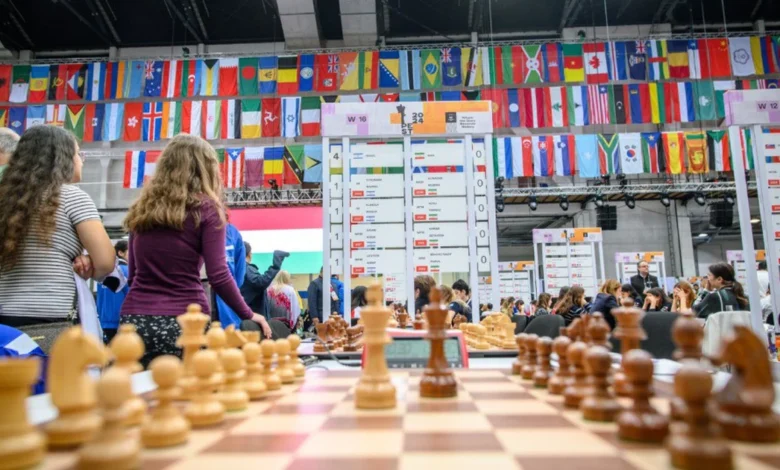
The 2026 Chess Olympiad, currently underway in the historic city of Samarkand, Uzbekistan, has become the center of an unprecedented scheduling controversy. At the heart of the dispute is the strict adherence of Israeli chess delegations to the traditions of Yom Kippur—the holiest day in Judaism. The decision has cost both the Open and Women’s teams dearly, resulting in forced forfeitures that severely dent their medal aspirations at the prestigious international tournament.
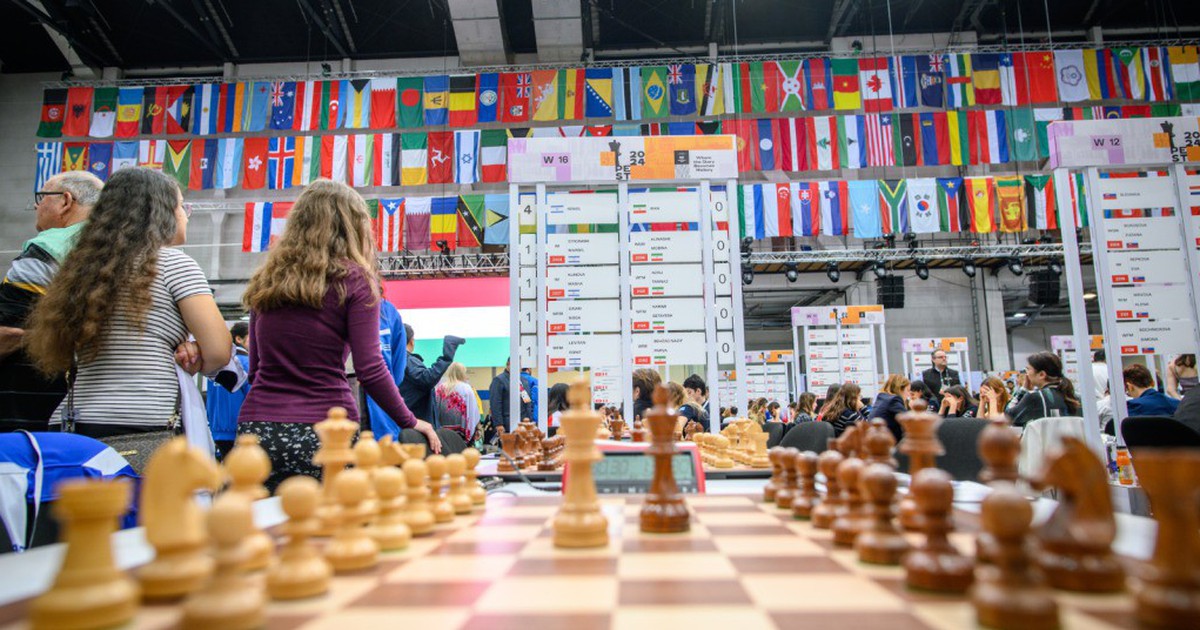
The incident unfolded during the sixth round of the Olympiad, held on September 21, 2026 (Vietnam time). As competitors from across the globe gathered at the boards, the tables designated for the Israeli men’s and women’s national teams sat conspicuously empty. Both squads were absent from the venue, automatically absorbing 0-4 defeats at the hands of their respective opponents, the Netherlands and Bulgaria.
The Conflict Between Professional Athletics and Religious Tradition
The root of the absence lies in the timing of Yom Kippur, which in 2026 began at sundown on September 20 and concluded at nightfall on September 21. Spanning approximately 25 hours, the holy day commands strict observance from practicing Jewish individuals, including intensive prayer, fasting, and a total cessation of mundane activities, professional duties, and travel.
For the elite chess players representing Israel, participation in a global sporting event of this magnitude collided directly with their religious obligations. Recognizing the impending scheduling conflict weeks in advance, the Israeli Chess Federation reportedly initiated urgent discussions with the International Chess Federation (FIDE), seeking a practical solution that would uphold both the integrity of the tournament and the cultural rights of the athletes.
The delegation proposed two reasonable alternatives: shifting the start time of the sixth-round fixtures to 7:30 PM local time on September 21—immediately after sunset when the fast ends—or postponing the matches entirely to September 22, which was already designated as the official rest day of the tournament.
FIDE Rules and Opponents’ Stance Lead to Forfeiture
Despite appeals for flexibility, both FIDE and the opposing federations maintained a rigid stance. The refusal contrasted sharply with previous accommodations seen earlier in the tournament. Notably, during the fifth round, matches involving the Singaporean men’s team and the Colombian women’s team were rescheduled to begin 75 minutes earlier at a separate, private hotel to accommodate sunset-related constraints.
However, the opponents in the sixth-round fixtures—the Dutch Open team and the Bulgarian Women’s team—declined to alter the schedule. When approached by tournament organizers, both federations stood firm on the official timetable, refusing to shift the matches outside the tournament’s standard operational window.
FIDE officials later confirmed that while discussions took place, the governing body chose to respect the autonomy of the opposing federations. A FIDE spokesperson addressed the situation, stating that the organization reached out to the opponents of both Israeli teams, but neither side agreed to play outside the official time frame. According to the tournament regulations, opposing federations hold the absolute right to decline such requests.
When the clock struck the official start time, Dutch and Bulgarian players were present at the boards, while the Israeli competitors remained absent. Consequently, arbiters applied the standard rules of international chess, awarding 4-0 victories by default to the Netherlands and Bulgaria.
Impact on Medal Hopes and Tournament Standings
The forfeiture represents a devastating blow to the Israeli delegation’s competitive ambitions at the 2026 Olympiad. Entering the sixth round, both the open and women’s teams—seeded 22nd overall—were enjoying a stellar run of form. Having secured four victories in their opening five matches, the open team sat comfortably in 22nd place, while the women’s squad held the 20th position in the standings, firmly establishing themselves as dark horses for podium finishes.
This incident marks the second time in the 2026 tournament that Israel has been entangled in a 0-4 forfeiture scenario. Earlier in the event, the Israeli men’s team received a free win when Pakistan’s delegation withdrew from their matchup due to political boycotts.
While the previous walkover provided an unexpected boost, the latest ruling strips the Israeli squads of vital match points right on the threshold of the tournament’s most grueling phase. Conversely, the Netherlands and Bulgaria capitalize on a massive stroke of fortune, securing precious points toward their tournament standings without expending any physical or mental energy over the board.
Broader Implications for International Sports Governance
The situation in Samarkand has reignited broader debates within international sports governance regarding the accommodation of religious holidays and cultural practices for athletes. While multi-sport events like the Olympics often institute complex scheduling matrices to avoid major religious observances, Swiss-system intellectual sports like chess—where pairings are drawn dynamically round-by-round based on ongoing results—face unique logistical hurdles.
Critics argue that greater flexibility should be engineered into tournament software and regulations to protect athletes from having to choose between representing their nation and adhering to deeply held religious convictions. Proponents of strict scheduling, however, emphasize that maintaining standardized time controls and preventing cascading delays across hundreds of matches is vital for the smooth execution of a global championship.
As the 2026 Chess Olympiad moves past its halfway mark, the Israeli teams face an uphill battle to recover from the setback. While the mathematical possibility of a remarkable comeback remains, the incident serves as a poignant reminder of the intricate intersections where elite global competition meets the enduring weight of human tradition.