At U80, Legendary Vietnamese Singer Giao Linh Finds Peace in Solitude and Prepares for Her Final Chapter

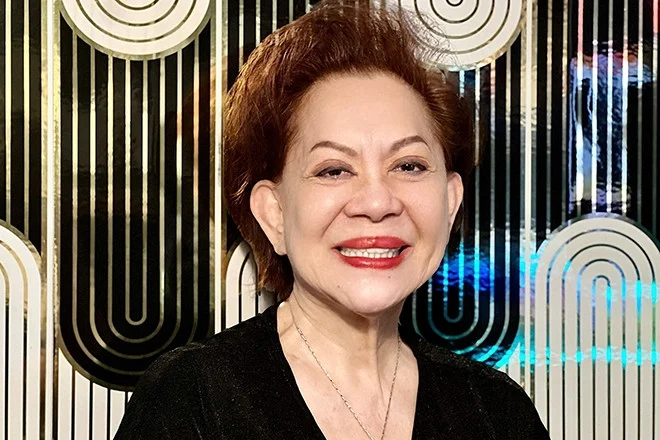
Nearly six decades after first stepping onto a professional stage, renowned Vietnamese danh ca (legendary singer) Giao Linh continues to command the respect and adoration of music lovers across generations. Approaching her 80th birthday, the iconic vocalist—affectionately dubbed the "Queen of Sad Songs" (Nữ hoàng buồn) for her signature melancholic delivery of boléro and yellow music—lives a quiet, self-sufficient life in Ho Chi Minh City. While her illustrious career spans generations of political, social, and cultural shifts in Vietnamese music, her current daily reality is defined by quiet reflection, meticulous health management, and a lingering, profound grief for her late husband, who passed away five years ago.
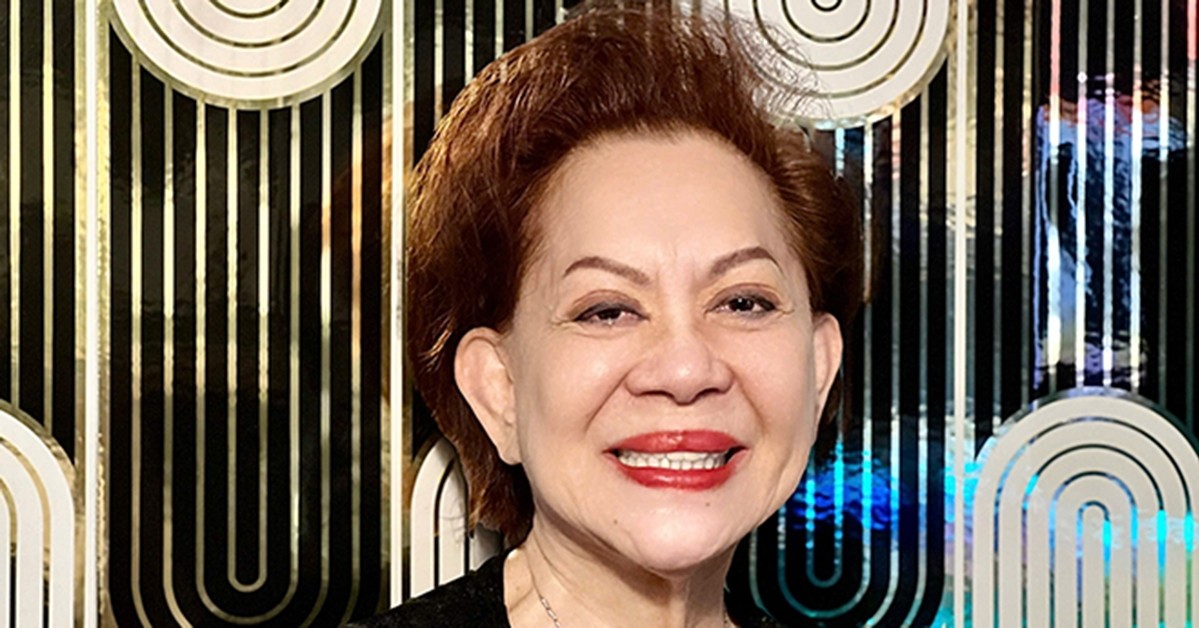
A Lifetime on Stage and the Eternal Bond of Boléro
Giao Linh’s journey into the upper echelons of Vietnamese music began in the late 1960s. Armed with a distinctive, deeply emotional contralto voice, she quickly captured the hearts of audiences in South Vietnam. Unlike many of her contemporaries who envisioned long careers, Giao Linh has often remarked that she never expected to sing past the age of 40. Yet, decades later, her deep commitment to her craft and her audience has kept her tethered to the limelight.
The longevity of her career is driven by a deep sense of artistic duty. Reflecting on a conversation with fellow overseas Vietnamese singer Hoàng Oanh, who remarked that their aging audiences are slowly dwindling, Giao Linh realized the urgency of performing while she still can. For her, the stage is no longer about chasing commercial success or maintaining fame; it is a sacred space to express gratitude to an audience that has stood by her for over 60 years. Her recent high-profile collaborations, including a historic shared stage with contemporary artists like Divo Tùng Dương, demonstrate her enduring relevance and bridge the gap between traditional boléro and modern Vietnamese vocal performance.

A Near-Death Wake-Up Call and Health Management
Despite her enduring passion for performance, Giao Linh’s health has faced severe trials. A few years ago, the veteran singer suffered a near-fatal myocardial infarction (heart attack). Recalling the harrowing medical emergency, she noted that her heart was functioning at a mere 40% capacity, and attending physicians at Gia Định People’s Hospital stated that had she arrived half an hour later, she might not have survived.
The cardiac event served as a stark turning point. Prior to the hospitalization, Giao Linh maintained a relentless schedule, frequently performing at three or four separate venues in a single day, paying little heed to rest or nutrition. Following the emergency insertion of a coronary stent and subsequent medical evaluations—including a recent check-up in Canada confirming her stable condition—she overhauled her lifestyle. Today, she maintains a strict regimen of light physical exercise, a regulated diet, and rigorous adherence to medical advice, ensuring that she can continue to live independently without becoming a burden to her relatives.
Five Years of Solitude: Remembering Her Lifelong Partner
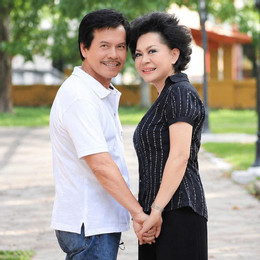
The most profound emotional challenge of Giao Linh’s later years remains the loss of her husband, with whom she shared a devoted 35-year partnership. He passed away suddenly five years ago following a brief illness. During their decades together, he managed virtually every aspect of her life, acting not only as a husband but as her manager, caretaker, stylist, and constant companion. He accompanied her to every performance, meticulously packing her belongings and caring for her health on the road.
Giao Linh has frequently shared touching anecdotes about their life together, recalling how her husband would pack suitcases filled primarily with her old cassette tapes rather than valuables, viewing her voice as his greatest source of joy. Since his passing, navigating international tours and daily life alone has required immense emotional resilience. She often finds herself overwhelmed by memories in empty airport terminals, treating her husband’s parting advice—to always approach the audience with absolute respect—as a spiritual anchor that keeps him by her side.
Independence and the Philosophy of Aging
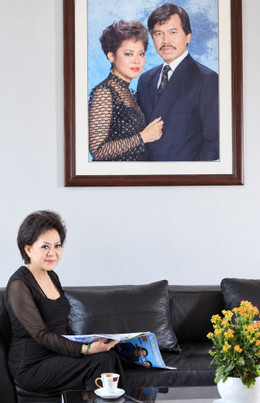
Unlike many aging artists who choose to live in retirement communities or with extended family, Giao Linh has chosen a life of deliberate solitude. She resides in her longstanding apartment in District 7, Ho Chi Minh City—a home she and her husband carefully selected and decorated together. Despite suggestions from friends that she sell the property for something more manageable, she has steadfastly refused, viewing the apartment as a museum of their shared life and a sanctuary for her memories.
While she maintains close relationships with her stepchildren and younger relatives who check in on her regularly, she prefers to manage her daily routines independently. For Giao Linh, solitude is not a source of loneliness, but a peaceful state of mind. She often spends weeks at a time inside her apartment, finding contentment in quiet reflection, self-care, and the processing of life’s experiences.
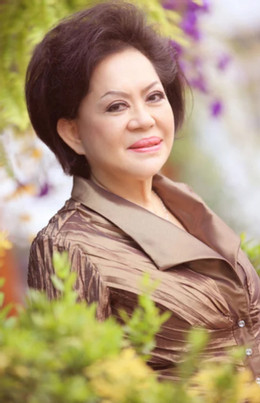
Addressing public scrutiny and the realities of modern social media culture, the 77-year-old singer remains remarkably grounded. Though she does not use platforms like Facebook and remains largely detached from internet discourse, she acknowledges that public figures inevitably attract diverse opinions. She chooses to process criticism and praise alike with equanimity, refusing to let external commentary disrupt her inner peace.
Preparing for the Final Chapter
With characteristic pragmatism, Giao Linh has openly discussed her preparations for the end of life. Acknowledging that time spares no one, she has proactively arranged her final resting place, having purchased a burial plot in a cemetery in District 9 to ensure that her family is spared logistical burdens when the time comes.
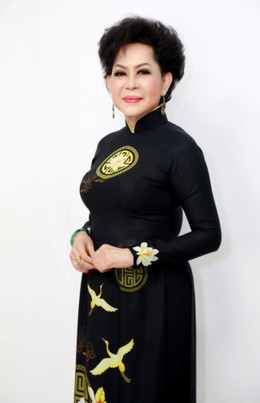
Her philosophy on aging is rooted in acceptance and a lack of excessive expectation. Having lived through decades of artistic triumph, political upheaval, and deep personal love and loss, she harbors no grand illusions about cheating time. Instead, she looks back on her life with profound gratitude for the years she spent singing, the audiences who loved her, and the partner who walked beside her.
As she continues to make selective appearances on stage, Giao Linh’s primary wish is simple: to be remembered by the public not for wealth or accolades, but as a dedicated artist who poured her entire soul into her music and offered her authentic self to the world.