Lam Dong Police Deploy Five Laser-Based Speed Enforcement Systems on National Highway 28B and DT724 to Enhance Road Safety

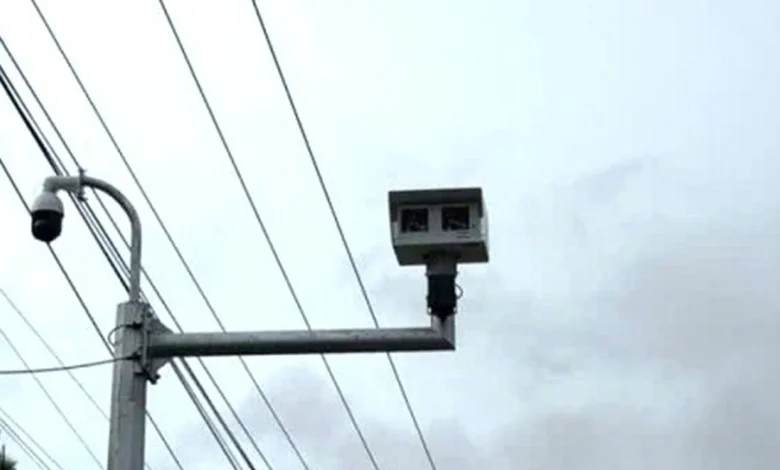
The Lam Dong Provincial Police Department has officially inaugurated the deployment of five high-precision laser-based speed detection systems across strategic transit corridors in the province. Announced on September 28, 2026, this technological upgrade marks a significant shift in the region’s approach to traffic management, moving away from traditional manual speed monitoring toward an automated, data-driven surveillance infrastructure. The new equipment, installed along National Highway 28B and the provincial road DT724, is designed to enhance the accuracy of speed enforcement while simultaneously improving the efficiency of the provincial Traffic Police (CSGT) in managing high-traffic volumes.
Strategic Deployment and Technical Specifications
The decision to install these five units at specific, high-risk locations follows a comprehensive traffic safety audit conducted by the provincial authorities. The primary objective is to curb the high incidence of speeding on roads that are often characterized by challenging topography, including sharp curves and steep gradients.
On National Highway 28B—a vital artery connecting the highland city of Da Lat with the coastal city of Phan Thiet—four units have been strategically positioned to monitor traffic flow in both directions. Specifically, cameras are now operational at kilometer marks Km01+610 and Km18+800 for vehicles traveling from Phan Thiet toward Da Lat, and at Km16+900 and Km57+390 for those moving from Da Lat toward Phan Thiet. The fifth unit has been deployed on the provincial road DT724 at Km0+780, a key connector facilitating traffic from National Highway 20 toward Lam Ha.
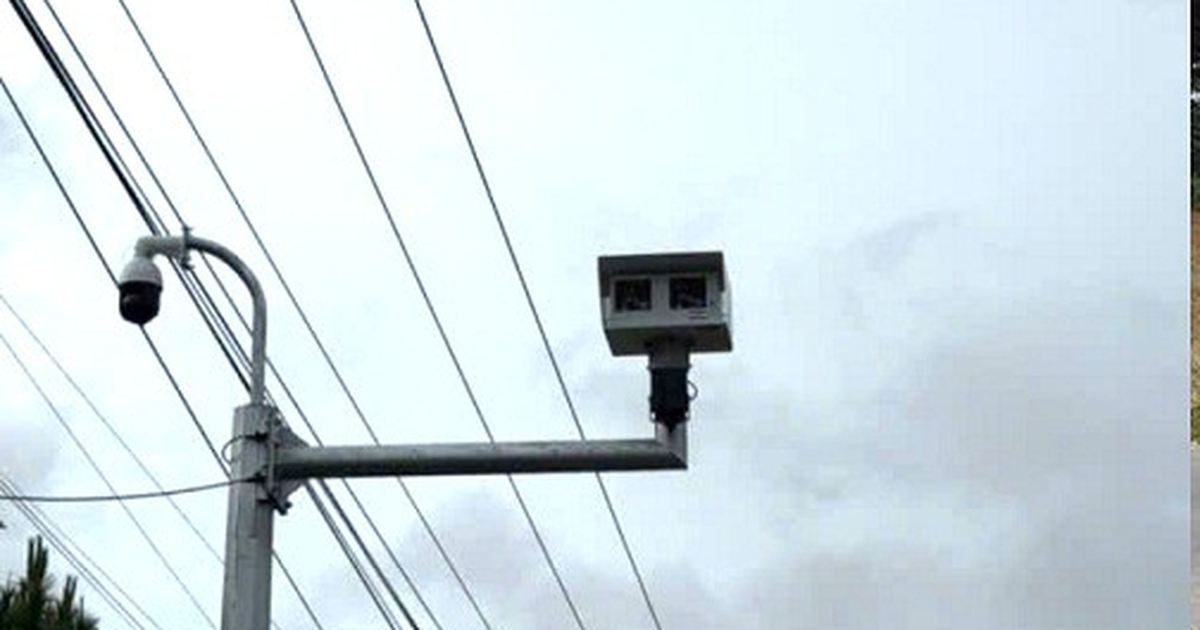
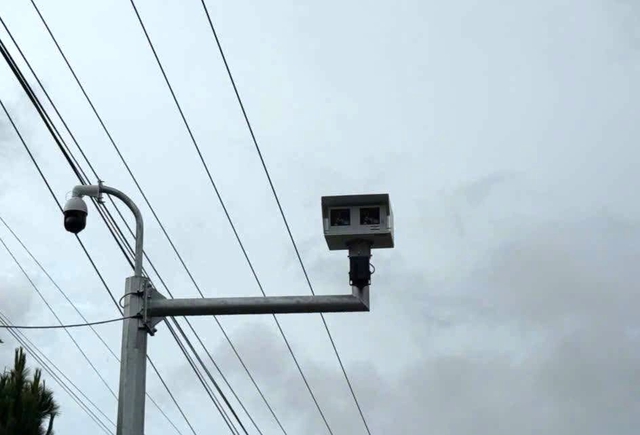
The selected technology utilizes advanced laser detection, which offers distinct advantages over older radar-based methods. Laser systems provide superior precision by focusing on individual vehicles even in dense traffic, allowing for the simultaneous identification of multiple speeding violations. Furthermore, the system is fully integrated into a centralized processing network. Data, including high-resolution imagery and precise velocity measurements, is transmitted in real-time to the provincial traffic control center via 4G/5G telecommunications networks. This near-instantaneous transmission allows authorities to process violations with greater speed and reliability, reducing the need for direct field interventions that can often exacerbate traffic congestion.
Nighttime Capability and Operational Reliability
A critical feature of the new installation is its high-performance night-vision capability. Unlike older systems that require flash-based photography—which can startle drivers and reduce visibility—the current laser sensors utilize infrared illumination. This technology operates without producing visible glare, ensuring that the system remains effective in total darkness without compromising the safety or visual field of motorists. This is particularly important for the mountainous regions of Lam Dong, where heavy mist and lack of street lighting on highways like the 28B create hazardous conditions for night driving.
By eliminating the human error factor inherent in manual speed guns, the automated system ensures a consistent application of traffic laws, regardless of weather conditions or time of day.
Chronology of Implementation and Road Safety Context
The deployment is the culmination of a broader provincial effort to modernize traffic infrastructure in Lam Dong, which has seen an increase in both tourism-related transit and heavy cargo transport.

- Early 2026: Initial feasibility studies were conducted by the Department of Transport and the Traffic Police to identify the most accident-prone segments of the highway network.
- Mid-2026: Procurement of high-tech laser detection hardware and the design of the centralized data network were finalized.
- September 2026: Installation of the five units was completed, followed by a brief calibration and testing period to ensure full integration with the provincial processing hub.
- September 28, 2026: Formal commissioning and activation of the network, accompanied by a public information campaign regarding the new enforcement measures.
This initiative follows previous smaller-scale pilot programs conducted in urban centers like Hue and other districts in Lam Dong, where camera-based enforcement demonstrated a marked decrease in recidivism among repeat traffic offenders.
Official Response and Public Safety Objectives
Leadership from the Lam Dong Traffic Police Department has emphasized that the primary goal of this investment is not purely punitive but rather centered on preventive safety. By increasing the visibility of enforcement and the certainty of detection, the authorities hope to cultivate a culture of compliance among drivers.
"The integration of laser technology into our daily monitoring is a vital step in modernizing the provincial police force," stated a spokesperson for the Department. "Our data suggests that the vast majority of severe accidents on these routes are directly linked to high-speed travel, particularly on winding mountain passes where reaction times are already constrained. Our aim is to foster a safer environment for residents and tourists alike by ensuring that traffic regulations are respected at all times."
The police department has urged commercial transport operators and private motorists to strictly adhere to posted speed limits. Failure to do so not only risks substantial fines but also creates life-threatening conditions for other road users.
Broader Implications for Infrastructure and Transport
The implementation of these systems has wider implications for the management of the Lam Dong transport network. As a hub for agricultural exports and a premier tourist destination, the province requires a stable and predictable flow of traffic. Speeding, especially by heavy trucks navigating the mountainous terrain of the Central Highlands, contributes to premature road degradation and increases the risk of catastrophic brake failure.
From an analytical standpoint, the data collected by these five sensors will provide the Department of Transport with valuable insights into traffic patterns. By analyzing the speed profiles of vehicles across different times of the day, authorities can better plan for future infrastructure maintenance, adjust speed limits in high-risk zones, and optimize traffic signaling.
Furthermore, the shift toward digitized enforcement represents a standardizing trend across Vietnam. As the country continues to expand its highway network, the reliance on human-operated speed traps is gradually being supplanted by "smart city" and "smart highway" technologies. This transition is expected to reduce the administrative burden on individual officers while increasing the transparency of the ticketing process.
Recommendations for Motorists
For those traveling on the QL28B and DT724, the Traffic Police have provided the following safety guidelines:
- Maintain Recommended Speeds: Drivers should not rely on visual cues alone but should constantly check their speedometer, especially when descending mountain grades where vehicles can naturally accelerate.
- Respect Lane Discipline: In addition to speed, the new cameras are capable of monitoring lane adherence. Staying within designated lanes is crucial on these narrow mountain roads.
- Ensure Proper Vehicle Maintenance: Given the topography, the police emphasize that brake systems, tire pressure, and lighting must be in optimal condition before embarking on long-distance travel through the Central Highlands.
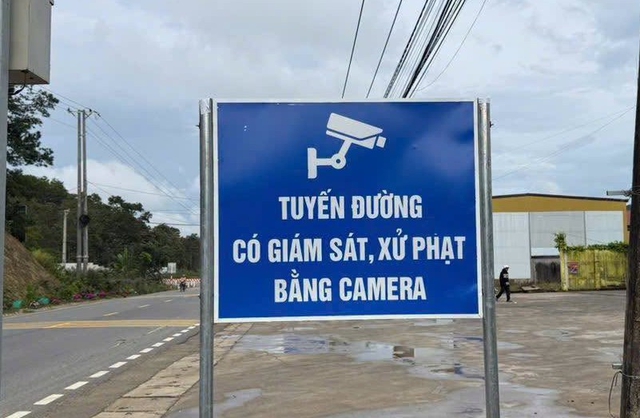
- Understand the Technology: Motorists should be aware that these systems are active 24/7. Avoidance or attempts to obscure license plates to evade detection is a severe violation that carries significant legal consequences.
As the province monitors the efficacy of these initial five units, there is speculation that similar systems could be rolled out to other arterial roads, such as National Highway 20, which remains one of the busiest corridors in the region. For now, the focus remains on ensuring a smooth transition for commuters who must adjust their driving habits to accommodate the new digital surveillance reality on the roads of Lam Dong. By prioritizing technology-led enforcement, the provincial authorities are signaling a long-term commitment to reducing traffic-related casualties and fostering a safer, more orderly transit environment for the entire community.