Le Duong Bao Lam Thanh Trung and Huy R reveal nostalgic childhood secrets during Mid-Autumn Festival episode of Dad Are We Going Anywhere

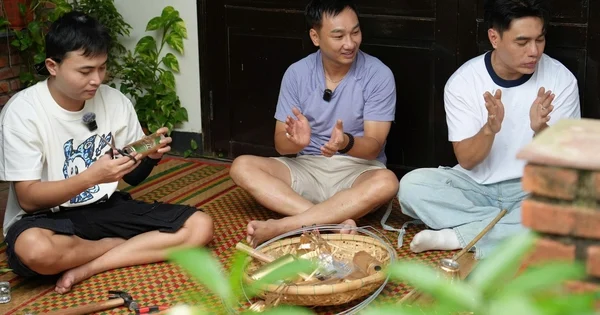
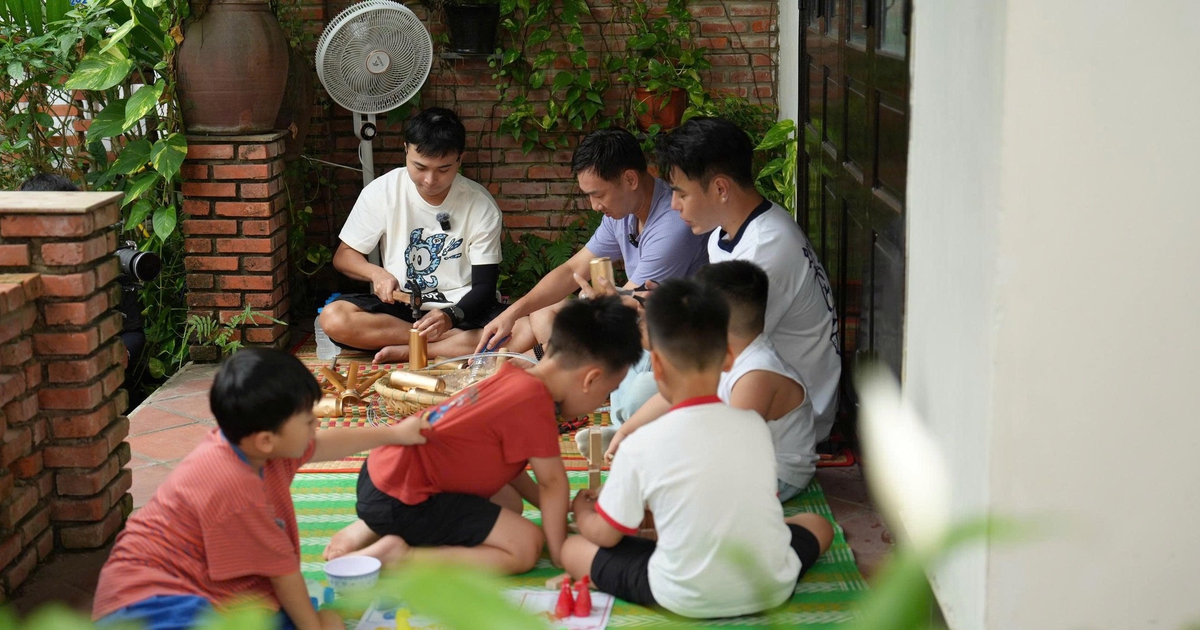
The recent broadcast of the third episode of the sixth season of the popular reality television series Dad Are We Going Anywhere on September 13 brought viewers on an emotional journey through the cultural landscape of Hoi An, Da Nang. This episode served as a poignant bridge between generations, as celebrity fathers Le Duong Bao Lam, Thanh Trung, and Huy R engaged their children in traditional activities, specifically the crafting of handmade lanterns and the study of Bài Chòi, a traditional folk art form unique to the central region of Vietnam. By stepping away from modern digital distractions and immersing themselves in the tactile, time-honored practices of the past, the participants provided a reflective look at how the Mid-Autumn Festival—a cornerstone of East Asian culture—has evolved over the decades.
A Cultural Deep Dive in Hoi An
The choice of Hoi An as the filming location for this episode was strategic and thematic. As a UNESCO World Heritage site, Hoi An is renowned for its preservation of traditional lanterns, which serve as a symbolic beacon of the Mid-Autumn Festival. For the children involved in the show, the experience offered more than just a craft project; it provided a hands-on history lesson.
Under the guidance of artisans such as Tran Thi Thu Ly and folk music expert Nguyen Van Quy, the families were tasked with learning the intricacies of Bài Chòi. This performance art, which combines music, poetry, and theatrical elements, requires a high level of linguistic dexterity and an appreciation for local proverbs. The challenge was not merely to recite the lyrics but to embody the spirit of the folk tradition, an exercise that tested the patience and cultural literacy of the celebrity fathers and their children alike.
The Evolution of Childhood: A Comparative Analysis
The centerpiece of the episode was the "Mid-Autumn Memory" challenge, which prompted the fathers to reflect on their own upbringing. The contrast between their childhood experiences and the contemporary lifestyle of their children was stark.
MC Thanh Trung provided a narrative of resourcefulness born from necessity. Recounting his youth, he noted that his obsession with comic books often outpaced his financial means. "When I ran out of money to buy comic books, I began wandering the neighborhood to collect discarded soda cans and cardboard boxes to sell as scrap," he recalled. This period of his life shaped his values and eventually influenced the naming of his own children, Goku and Daino—names inspired by the very characters he spent his childhood pursuing.
In contrast, the experience of musician Huy R highlighted the rural-urban divide of the 1990s and early 2000s. While Thanh Trung was growing up in an urban environment with early access to television—a luxury provided by his family’s cafe business—Huy R’s childhood was defined by the natural materials available to him. He described crafting toys from bamboo, plastic bags, and even the rubber seals found inside beer bottle caps. "My friends and I would string together these rubber rings to create spinning tops," he explained. This revelation served as a reminder of how limited access to mass-produced toys forced previous generations to foster creativity through DIY ingenuity.
The Crafting Challenge: Bridging the Generational Gap
The task of building a lantern from scratch served as a physical manifestation of the show’s underlying theme: the preservation of heritage in a digital age. For many of the participants, including Le Duong Bao Lam, this was an entirely novel experience. Le Duong Bao Lam, whose family history includes running a general store, expressed a visceral reaction when handling the wire frames used for the lantern construction. "This wire brings back memories of the store," he remarked. "I used to wrap these wires, and it was quite dangerous, but it was part of our reality."
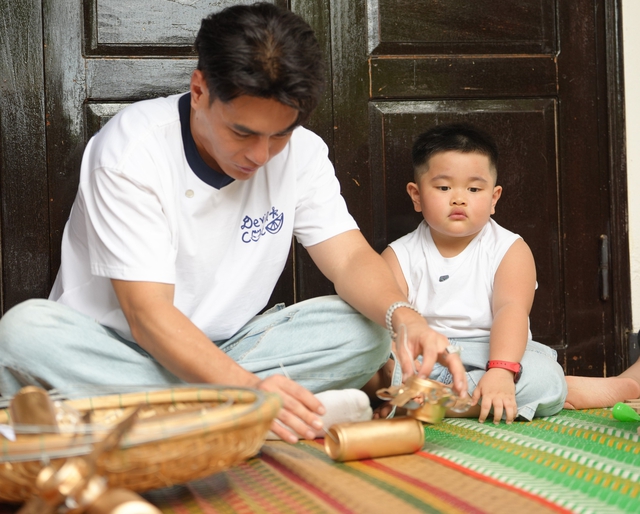
The emotional weight of these moments was not lost on the audience. By forcing the fathers to perform the same manual labor that their own parents might have engaged in, the show facilitated a rare, authentic moment of vulnerability. It moved the conversation away from the curated public images of these celebrities and toward a shared, human experience of growth, struggle, and cultural inheritance.
Performance and Competition: The Bài Chòi Challenge
Following the crafting segment, the families participated in a competitive Bài Chòi performance. The scoring system, overseen by traditional experts, placed significant pressure on the contestants. Le Duong Bao Lam and Thanh Trung both received scores of 9.5 out of 10, while the family of Phuong Nam secured a slightly higher score of 9.75.
The competitive tension—with Le Duong Bao Lam jokingly questioning the judges’ scoring—added a layer of levity to the proceedings. However, the underlying purpose of the competition remained educational. The recitation of proverbs such as "Bầu ơi thương lấy bí cùng" (a famous Vietnamese proverb emphasizing national unity and mutual support) allowed the children to engage with the moral philosophy embedded in their country’s linguistic history.
Broader Impact and Societal Implications
The success of this episode of Dad Are We Going Anywhere reflects a broader societal trend in Vietnam: the deliberate attempt to reconnect the younger generation with traditional customs amidst rapid urbanization and technological saturation.
Data from sociological studies on urban parenting in Vietnam indicates that children today have significantly higher access to digital entertainment than previous generations, but often lack the "tangible" experiences that define the Mid-Autumn Festival, such as traditional lantern making. By showcasing celebrities performing these tasks, the program acts as a catalyst for cultural preservation. It validates the "do-it-yourself" approach to the festival, encouraging viewers to move beyond store-bought plastic lanterns and toward the process-oriented activities that build memories.
Furthermore, the episode highlights the importance of oral history. When fathers share stories of their own childhood—the struggle to afford a comic book, or the ingenuity required to make a toy out of a bottle cap—they are not merely reminiscing. They are providing their children with a sense of perspective regarding their current socioeconomic status and the importance of resilience.
Conclusion: The Enduring Legacy of Tradition
As the episode concluded, the takeaway was clear: the Mid-Autumn Festival is not merely a commercial event marked by mooncakes and pre-fabricated decorations. It is an opportunity for families to pause and acknowledge the threads of history that connect the past to the present. Through the lens of Dad Are We Going Anywhere, the audience was reminded that the most valuable memories are often those that require effort, time, and shared interaction.
The emotional resonance of the program suggests that as Vietnam continues to modernize, the hunger for authentic, grounded cultural experiences only grows stronger. By providing a platform for these celebrities to bridge the gap between their own humble beginnings and their children’s present, the show successfully underscored the timeless nature of familial bonds and the enduring value of traditional craftsmanship. As the festival approaches, the hope remains that these televised lessons will translate into real-world action, as families across the country take up the challenge to create their own traditions, one lantern at a time.