Ministry of Information and Communications and VCCI Partner to Accelerate National Digital Transformation through Make in Vietnam Technologies


In a strategic move to catalyze the nation’s digital evolution, the Ministry of Information and Communications (MIC) and the Vietnam Chamber of Commerce and Industry (VCCI) have officially signed a comprehensive cooperation agreement. This partnership, focused on the 2024–2026 period with a vision extending to 2030, aims to integrate advanced Make in Vietnam digital technologies into the core operations of the Vietnamese business community. The initiative marks a pivotal shift in how the country approaches digital transition, moving from a model of general awareness to one of practical, scalable implementation led by top-tier organizational leadership.
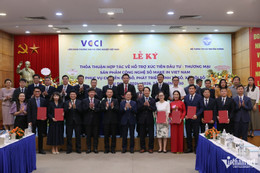
The signing ceremony, held in late July, brought together Minister of Information and Communications Nguyen Manh Hung and VCCI Chairman Pham Tan Cong. The collaboration is not merely an administrative exercise but a fundamental push to reform the operational landscape of Vietnam’s private sector. By fostering an environment where digital transformation is driven by leadership commitment rather than just technological adoption, the two entities aim to solve systemic bottlenecks that have historically slowed the pace of digitalization among small and medium-sized enterprises (SMEs).

The Mandate for Leadership-Driven Digitalization
During the event, Minister Nguyen Manh Hung emphasized a shift in philosophy regarding digital transformation. According to the Minister, the national digital transformation program is now entering its fifth year. Reflecting on the lessons learned during this period, the MIC has identified a critical bottleneck: the passivity of leadership. Digital transformation is not a technical task that can be delegated to an IT department; it is an organizational transformation that requires the direct, active, and consistent involvement of the highest levels of management.
Minister Hung noted that for digital transformation to succeed, leaders must move beyond theoretical support. They must be willing to change their own workflows, embrace new digital tools, and personally oversee the migration of operational data to digital environments. "A leader who does not understand the technology, who does not experience it personally, cannot successfully lead a digital transformation," the Minister stated. He argued that once information is digitized, the next steps—processing, AI-driven analytics, and automated decision-making—become significantly more manageable.
A Three-Stage Strategic Framework
The agreement between the MIC and VCCI is structured around a multi-phase implementation plan designed to ensure sustainability and impact. The collaboration centers on three primary pillars:

- Organizational Transformation within VCCI: VCCI itself will serve as a pilot case study. The MIC has committed to providing technical support to assist VCCI in its internal digital transition. By "learning by doing," VCCI leadership will gain the necessary experience and credibility to guide the broader business community. This initial phase is expected to be completed within a three-month window.
- Market Creation and Capacity Building: Once VCCI has successfully digitized its internal processes, the partnership will scale to include the broader business community. The MIC will provide a vetted list of high-quality "Make in Vietnam" digital products and services. VCCI will facilitate surveys to identify the specific needs of its member associations and businesses, ensuring that the digital solutions offered are both relevant and effective.
- Cross-Border Expansion and Intellectual Property Support: A critical component of the agreement is the support for Vietnamese tech firms to expand into international markets. VCCI will provide assistance with intellectual property protection and the navigation of legal and regulatory landscapes in foreign jurisdictions, allowing Vietnamese digital solutions to compete globally.
Chronology and Milestones of the Digital Initiative
Vietnam’s digital journey has been a multi-year effort characterized by increasing sophistication:
- 2020: The government launched the "National Digital Transformation Program to 2025, with a vision to 2030," establishing the initial roadmap for economic and social digitalization.
- 2021–2022: The focus shifted toward building core infrastructure, including national databases and digital identity systems.
- 2023: Increased emphasis was placed on "Make in Vietnam" products, encouraging domestic firms to build the infrastructure of the digital economy rather than relying solely on foreign vendors.
- 2024: The current phase, marked by the MIC-VCCI agreement, emphasizes the integration of AI, the modernization of SMEs, and the professionalization of business-to-business (B2B) digital ecosystems.
Supporting Data and Industry Context
The necessity for this partnership is underscored by current economic data. While Vietnam has one of the fastest-growing digital economies in Southeast Asia, the gap between large tech-savvy corporations and the millions of SMEs remains wide. Estimates suggest that while over 80% of large enterprises in Vietnam have initiated some form of digital transformation, less than 30% of SMEs have successfully integrated digital solutions into their core value chains.
The "Make in Vietnam" initiative is critical here. By favoring domestic technology providers, the country creates a virtuous cycle: local firms gain the market share necessary to refine their products, while the businesses using these tools benefit from solutions tailored to the unique regulatory and cultural context of the Vietnamese market. The partnership between the MIC and VCCI targets this specific friction point, aiming to bridge the gap between supply and demand.

Official Perspectives and Reactions
VCCI Chairman Pham Tan Cong expressed his strong support for the initiative, noting that the organization is ready to move past the "hesitation" that has characterized previous years. "For decades, VCCI has maintained a spirit of pioneering," Cong said. "This collaboration is the next logical step in our mission to improve the competitiveness of the Vietnamese business environment."
Several major domestic technology firms, including Viettel, VNPT, MobiFone, FPT, CMC, and MISA, were present at the event and signaled their intent to support the initiative. These companies will provide the technical backbone for the digital solutions being promoted by the MIC. Their involvement is vital, as they provide not only the software but also the consultancy and maintenance required to ensure long-term digital stability for client businesses.
Broader Implications for the National Economy
The implication of this partnership is far-reaching. By creating a formalized channel for digital transformation, the government is effectively reducing the risk for businesses attempting to transition. Often, the fear of "vendor lock-in" or selecting the wrong technology stack keeps businesses from adopting digital tools. By providing a curated list of "Make in Vietnam" products, the MIC acts as a quality guarantor, while VCCI acts as the bridge to the market.
Furthermore, the focus on international market access suggests a maturing of the Vietnamese tech sector. The country is no longer merely looking to digitize its own economy; it is positioning itself as a regional exporter of digital services. This could have significant impacts on the country’s balance of payments and its overall stature in the regional digital landscape.
Conclusion
The agreement between the Ministry of Information and Communications and the Vietnam Chamber of Commerce and Industry represents a sophisticated, leadership-centric approach to digital transformation. By addressing the human and cultural elements of change—specifically the readiness of leadership—the initiative avoids the common trap of viewing digital transformation as a purely technical challenge.
As Vietnam moves toward its 2030 goals, the success of this partnership will be measured not just by the number of software licenses sold, but by the tangible improvements in productivity, efficiency, and international competitiveness of the Vietnamese business sector. If the VCCI-MIC model proves effective, it could serve as a blueprint for other emerging economies looking to scale their digital capabilities through public-private cooperation. The path forward, as articulated by the leadership at the event, is clear: move fast, be willing to adapt, and never fear the disruption that change inevitably brings.
Related posts: