In a calculated maneuver ahead of the pivotal November 3 midterm elections, President Donald Trump signed an executive order on October 23, 2026, granting a targeted tariff exemption to a specific array of Canadian goods. The directive, which takes effect on October 30, aims to alleviate economic pressure on critical U.S. industries and sectors, while simultaneously recalibrating the political landscape in states heavily reliant on cross-border trade. However, the move is far from a total reversal of trade hostilities; while granting reprieves to certain agricultural and industrial equipment, the administration has simultaneously expanded its list of products subject to a 50% tariff, signaling a complex, multi-layered approach to North American trade relations.
The Scope of the Tariff Reversal
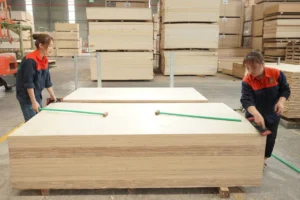
The exemptions granted by the White House cover a diverse list of items deemed essential to U.S. producers who face supply chain constraints or prohibitive costs when sourcing from domestic providers. Among the items receiving a reprieve are specific varieties of paper products, specialized machinery, cooling equipment, shipping containers, and dried seaweed.
For many American farmers and manufacturers, the reliance on Canadian imports is not a matter of preference, but of necessity. The specific machinery and packaging materials exempted are often unavailable from domestic U.S. manufacturers or are significantly more expensive to source locally. By removing these tariff barriers just days before voters head to the polls, the administration is attempting to provide tangible relief to local economies in border states such as Maine and Michigan, where the integration with the Canadian economy is deeply entrenched.
Strategic Political Timing
The timing of this announcement is inextricably linked to the high-stakes battle for control of the U.S. Congress. Republican incumbents, most notably Senator Susan Collins of Maine, have been vocal in their pressure on the White House to address the economic fallout of escalating trade tariffs. Senator Collins, who is currently engaged in a tight race against Democratic challenger Troy Jackson, has frequently highlighted how the trade dispute has disrupted local businesses.
For the Republican Party, maintaining a majority in the Senate is the primary objective of the November 3 cycle. The economic anxiety in northern states, fueled by retaliatory tariffs, has threatened to alienate independent voters and those who rely on stable cross-border supply chains. By providing this relief, the administration hopes to shore up support among business-oriented conservatives and undecided voters who may have grown weary of the aggressive trade policies that have characterized the current administration’s tenure.
Chronology of the Trade Dispute
The current friction in U.S.-Canada trade relations reached a breaking point in August 2026, when the White House imposed a 50% tariff on $20 billion worth of Canadian imports following the breakdown of bilateral negotiations. Canada, a vital economic partner, responded swiftly with retaliatory tariffs ranging from 15% to 50% on $20 billion worth of U.S. goods.
This tit-for-tat escalation created a volatile environment for businesses on both sides of the border. The October 23 directive is the first significant adjustment to this policy. While the White House has publicly criticized Canada for its perceived lack of urgency in securing a new, comprehensive trade agreement, the partial exemption serves as a tactical pause. It allows the administration to project strength regarding its "America First" trade agenda while mitigating the most damaging effects of that policy on domestic sectors that are currently struggling.
Expanding the Tariff List
Despite the exemptions, the administration has signaled that it is not backing down from its broader protectionist strategy. Concurrent with the relief measures, the President added a new slate of Canadian products to the 50% tariff list. This secondary list includes items such as carpets, paints, chemical waste, shampoos, cocoa powder, wooden caskets, ice cream cones, air conditioning units, horizontal band saws, crossbows, and motorboats.

This "carrot and stick" approach highlights the administration’s intention to exert continued pressure on Ottawa. By narrowing the scope of the tariffs to specific sectors, the U.S. is essentially testing Canada’s resolve while simultaneously attempting to protect the U.S. labor market from perceived unfair trade practices.
Official Responses and International Outlook
Dominic LeBlanc, the Canadian Minister responsible for trade with the United States, confirmed that Ottawa is currently conducting a thorough assessment of the latest tariff adjustments. In a measured response, LeBlanc reiterated Canada’s willingness to engage in productive dialogue.
"Canada is prepared to cooperate in a constructive and good-faith manner to move toward a trade relationship that brings greater benefits to both sides, while respecting the interests of each nation," LeBlanc stated. His comments reflect the Canadian government’s desire to de-escalate the conflict without sacrificing long-term economic stability.
Conversely, the move has drawn criticism from Democratic lawmakers. Senator Ron Wyden of Oregon, a senior member of the Senate Finance Committee, characterized the last-minute tariff adjustments as a tacit admission that the administration’s overarching trade policy is failing to deliver for the American people. "This move is a late-hour recognition that U.S. voters are turning away from the administration’s failing tariff policies," Wyden remarked.
Economic Implications and Future Trajectory
The broader economic impact of these tariffs remains a subject of intense debate among economists. While the administration argues that tariffs protect domestic industries, critics contend that they inflate costs for consumers and disrupt established, efficient supply chains. In states like Maine, where the economy is heavily dependent on the free flow of goods across the border, the uncertainty created by these shifts has led to stalled investment and cautious hiring practices.
The effectiveness of this political maneuver will be tested at the ballot box in early November. For the Republican Party, the success of these exemptions depends on whether they are viewed as a genuine pivot toward more pragmatic trade policy or merely a superficial attempt to capture votes in key electoral districts.
As the October 30 effective date approaches, businesses on both sides of the border are scrambling to adjust their logistics. The complexity of these shifting regulations underscores the fragility of the current North American trade relationship. Whether the upcoming election results will lead to a broader reconciliation or a continued hardening of positions remains to be seen. However, one thing is clear: the administration is signaling that trade policy will remain a primary tool of political leverage, regardless of the consequences for regional economic stability.
In the long term, the survival of the current trade framework depends on a shift from reactive, election-driven policy to a more stable, rule-based negotiation process. Until such a shift occurs, industries that rely on the cross-border exchange of goods—ranging from manufacturing to agriculture—must continue to navigate an environment of profound uncertainty and shifting regulatory landscapes. The resilience of the U.S.-Canada economic bond will be tested by the outcomes of the impending election and the subsequent willingness of both capitals to move beyond short-term tactical maneuvers toward a more sustainable, long-term trade architecture.