Li Canh Lam: The Life and Legacy of the Wudang Sword Master Who Redefined Chinese Martial Arts

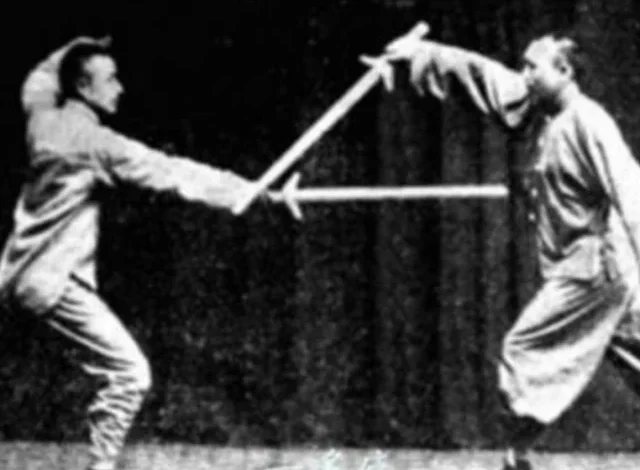
Born in 1885 in the northern province of Hebei—a region steeped in a long history of military tradition and pugilistic excellence—Li Canh Lam emerged as one of the most formidable figures during the transition between the Qing Dynasty and the Republic of China. His journey from a classically trained martial artist to a revolutionary military commander and the foremost custodian of Wudang swordsmanship serves as a bridge between the mystical traditions of the past and the structured physical culture of the modern era. Often hailed as the "Wudang Sword Immortal," Li’s life represents a profound synthesis of tactical military acumen and the refined, lightning-fast precision of traditional Chinese swordplay.
The Formative Years and the Wudang Connection
Li Canh Lam’s martial trajectory was significantly altered when he sought the tutelage of Song Weiyi, the ninth-generation successor of the Wudang sword school. At the time, Li had already been exposed to various regional arts, but his encounter with Song revealed a depth of technique he had not previously experienced. Recognizing Li’s exceptional talent and his disciplined, stoic nature, Song took the young man under his wing.
This mentorship was not merely a teacher-student dynamic; it was a rigorous, multi-year immersion into the philosophy of Wudang. Under Song’s guidance, Li learned not just how to wield a blade, but how to integrate breath control, internal power (neijin), and structural alignment. This period of his life is often cited by historians as the turning point that allowed the Wudang sword to transition from an esoteric art reserved for hermits to a structured system capable of being taught to the next generation of practitioners.

A Chronology of a Martial Life
The life of Li Canh Lam can be categorized into three distinct phases: his early military service, his period of intensive internal refinement, and his final decades as a public educator of martial arts.
- 1885: Born in Hebei Province.
- Early 1900s: Enrolled in the Baoding Military Academy, where he balanced modern firearms training with traditional internal arts.
- 1911: Rose to prominence during the revolutionary unrest in China, commanding shock troops and utilizing his unique battlefield tactics to secure strategic positions.
- 1922: Reconnected with his mentor, Song Weiyi, in Liaoning. This encounter resulted in the formal codification of the Wudang Sword techniques and the handing over of secret manuscripts, including the Ba Gua sword forms.
- 1920s–1930s: Moved to Shanghai, shifting his focus from battlefield command to public education and the professionalization of Wushu.
- 1928: Instrumental in the founding of the Central Guoshu Institute, effectively integrating traditional martial arts into the national education curriculum.
Tactical Innovation and the Synthesis of Styles
One of the most remarkable aspects of Li Canh Lam’s contribution to martial arts was his ability to synthesize the internal power of Taijiquan with the rapid, aggressive striking of the Wudang sword. While many practitioners at the time focused on the aesthetic or meditative aspects of martial arts, Li emphasized the "combative reality."
His style was characterized by a unique "short-range" sword technique. Historical reports and accounts from contemporaries suggest that within a radius of five to ten steps, Li’s blade was nearly impossible to counter. The Shenbao newspaper, in a 1926 feature, noted that Li possessed an uncanny ability to control a long sword with the agility of a short dagger. This was achieved through a rigorous focus on body mechanics, where the sword became an extension of the practitioner’s physical frame, allowing for instantaneous changes in direction and force.
Institutionalizing Wushu: The Shift to Modernity
Perhaps the most significant legacy Li left behind was his rejection of the "secretive" tradition that had previously plagued Chinese martial arts. Unlike many masters of his era who refused to share their knowledge outside of their immediate family or disciples, Li was a proponent of public dissemination.
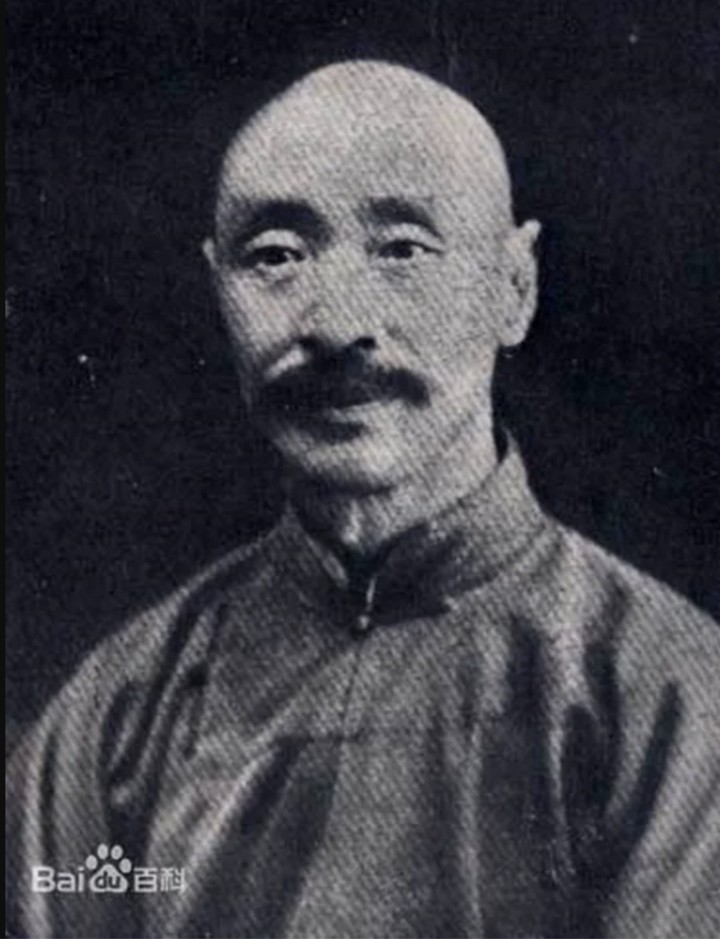
By the late 1920s, he recognized that for martial arts to survive the modernization of China, they needed to be institutionalized. His participation in the establishment of the Central Guoshu Institute was a watershed moment. For the first time, martial arts were taught using standardized methods, with a focus on physical education, health, and national discipline.
His training regimes for the military were equally transformative. He insisted that his soldiers master the "fast-response" techniques that he had refined through decades of practice. By integrating these methods into the standard training curriculum, he ensured that his units were not only proficient in modern weaponry but also mentally and physically prepared for close-quarters combat.
Historical Impact and Contemporary Analysis
The influence of Li Canh Lam on modern Wushu cannot be overstated. By successfully merging the military ethos with the internal arts, he effectively saved several traditions from fading into obscurity during a time of extreme political upheaval.
From a historical analysis perspective, Li’s career provides a window into the "Guoshu" (National Arts) movement. During this period, the Chinese government sought to promote martial arts as a means of improving national health and morale. Li was the ideal figurehead for this movement; he was a legitimate military officer with combat credentials, yet he possessed the refined elegance of a traditional master.
His impact is still visible today. The foundational techniques found in modern Wudang sword performances often trace their lineage directly back to the manuscripts and curricula that Li helped to standardize. Furthermore, his efforts to demystify the art and turn it into a form of "sport" or "physical culture" laid the groundwork for the global spread of Chinese martial arts in the late 20th century.
Conclusion
Li Canh Lam remains a titan in the history of Chinese martial arts. His ability to navigate the turbulent waters of early 20th-century China while maintaining the integrity of the Wudang system ensured that his knowledge was not lost to history. While he was a master of the blade, his true brilliance lay in his vision for the future—a vision that saw martial arts not merely as a tool for destruction, but as a discipline for cultivating the strength, health, and character of a nation. As researchers and practitioners continue to study the manuscripts he left behind, the "Wudang Sword Immortal" continues to influence how the world perceives the grace and lethality of the traditional Chinese sword.