Mitsubishi Triton leads the Vietnamese automotive market in August 2026 as Japanese manufacturers dominate the top ten best-selling vehicles

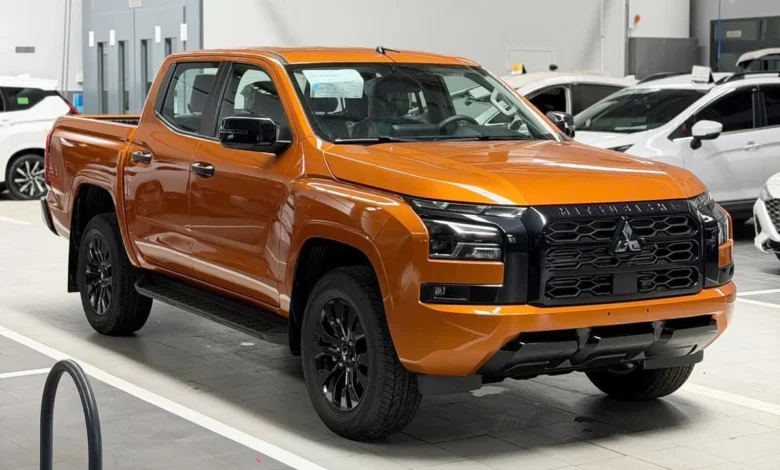
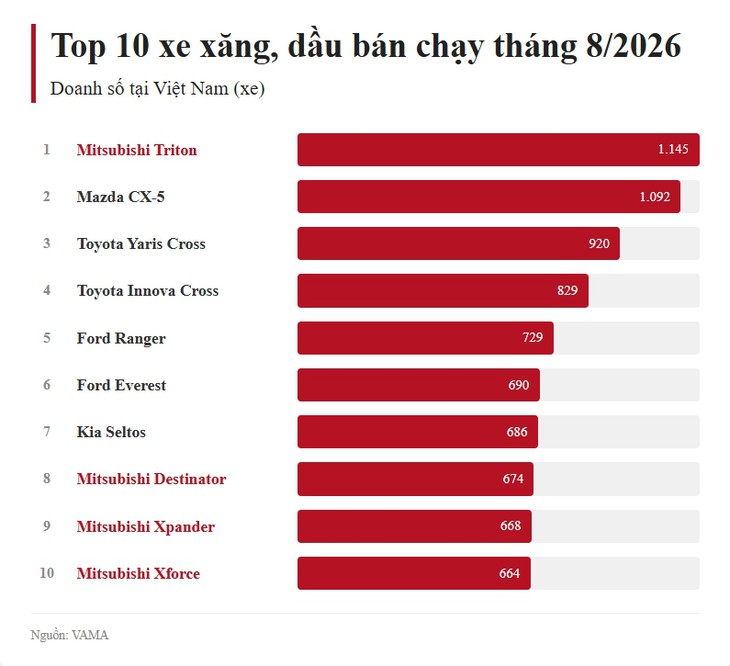
In a remarkable shift for the Vietnamese automotive sector, August 2026 has witnessed a historic realignment in consumer preferences. Data released by the Vietnam Automobile Manufacturers Association (VAMA) reveals that Japanese manufacturers have solidified their stronghold, accounting for seven of the top ten best-selling gasoline and diesel-powered vehicles. Among these, the Mitsubishi Triton has achieved a landmark milestone, climbing to the number one position in the national sales rankings for the first time, signaling a potential long-term trend in the pickup truck segment.
A Historic Month for Mitsubishi
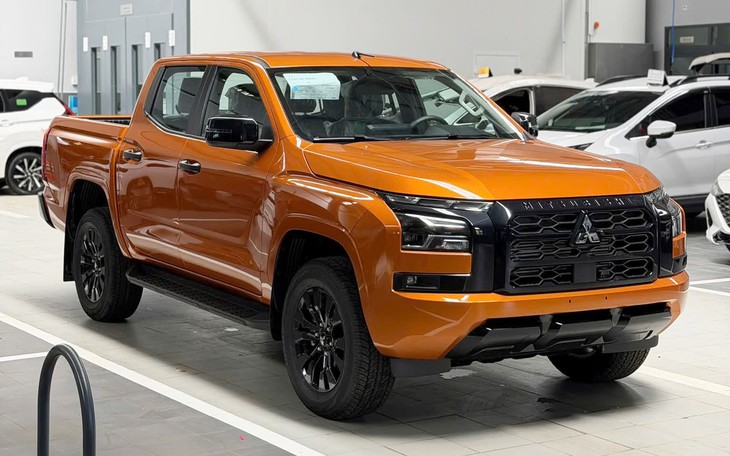
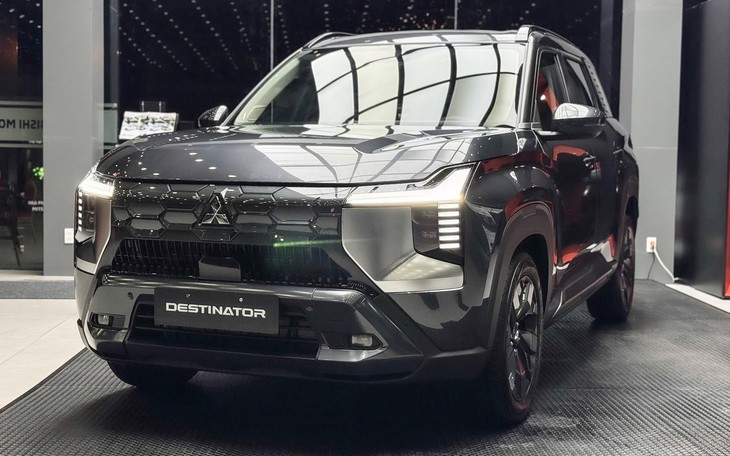
The performance of the Mitsubishi brand in August 2026 was particularly noteworthy. Not only did the Triton secure the top spot with 1,145 units sold—a dramatic increase from the previous month’s figures—but Mitsubishi also succeeded in placing four of its models within the coveted top ten list. Joining the Triton are the Destinator, the popular Xpander, and the increasingly prominent Xforce.
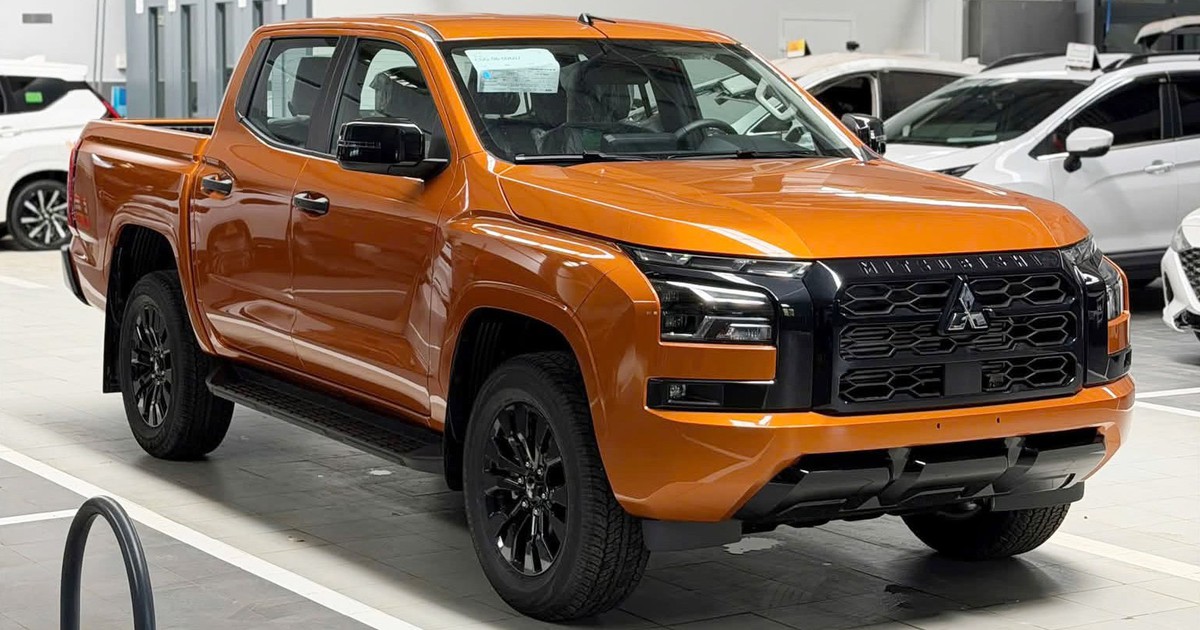
The success of the Triton is especially striking when placed against the broader market performance. While many competitors in the top ten experienced a month-over-month decline in sales, the Triton saw a surge of 1,004 units compared to July, allowing it to overtake the perennial favorite, the Mazda CX-5, which claimed second place with 1,092 units. This feat marks the first time in the history of the Vietnamese market that a pickup truck has ascended to the pinnacle of monthly sales, challenging the long-standing dominance of SUVs and sedans.
Market Dynamics and Consumer Behavior
The August results, often referred to as "Ghost Month" in local cultural contexts, typically see a contraction in consumer spending due to traditional beliefs regarding large financial commitments. Despite these psychological barriers, Mitsubishi’s robust performance was bolstered by a combination of aggressive promotional strategies and a shifting demographic of buyers who are increasingly prioritizing utility and reliability.
The Xpander, a staple in the MPV category, continued its steady climb, moving 668 units in August and pushing its year-to-date total beyond the 9,500-unit mark. Similarly, the Xforce has maintained strong momentum, recording 664 sales for the month and bringing its cumulative performance to over 8,000 units, significantly outpacing the same period in 2025. The Destinator, which has been in the market for a shorter duration, solidified its presence by securing a spot in the top ten for the third consecutive month, reflecting a successful launch strategy and positive consumer reception since its introduction earlier this year.
The Broader Competitive Landscape
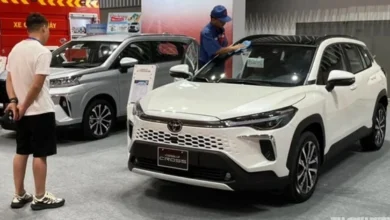
While Japanese manufacturers captured the majority of the top ten, the market remains a battleground for global automotive giants. Toyota, despite facing stiff competition, maintained a firm presence with its Yaris Cross and Innova Cross models, both of which continue to serve as pillars of the brand’s local strategy. Mazda, through the enduring appeal of the CX-5, remains a formidable competitor, consistently ranking near the top of the charts due to the model’s refined design and high-tech features.
Ford, representing the American presence, remains a significant player, with the Ranger and Everest models continuing to command loyalty in the pickup and SUV segments, respectively. The Ranger, in particular, has long been a benchmark for the industry, and its displacement by the Triton in the August rankings underscores the intensity of the competition within the utility vehicle space.
The only representative from South Korea in the top ten was the Kia Seltos. With 686 units sold, the Seltos secured the seventh position, reflecting a resilient performance in a market that is currently being heavily contested by Japanese and American rivals.
Strategic Promotional Initiatives
A key driver behind the success of the Mitsubishi brand in August has been its comprehensive approach to customer incentives. Recognizing the competitive pressures of the current economic climate, the company extended its support programs into September, focusing on registration fee subsidies and additional perks that lower the barrier to entry for prospective buyers.
The Xpander currently leads these promotional efforts, with total support packages reaching up to approximately 95 million VND, depending on the specific variant. This includes a 100% registration fee subsidy and fuel vouchers, which have proven effective in converting interest into actual sales. Other models, including the Destinator, Xforce, Attrage, and the record-breaking Triton, have also benefited from substantial support programs. These initiatives not only incentivize new car purchases but also provide value to existing owners through discounted maintenance and repair services, reinforcing brand loyalty.
Analysis of Future Market Implications
The rise of the Mitsubishi Triton to the top of the sales charts suggests a maturing Vietnamese market where buyers are becoming more value-conscious and pragmatic in their choices. The shift towards utility vehicles like the Triton and Xpander highlights a growing preference for models that offer versatility for both professional and family use.
Furthermore, the data suggests that brands that are able to effectively manage supply chains while offering localized financial support are likely to gain the most ground in the coming quarters. The concentration of success within a few key brands indicates that the market is becoming increasingly polarized between those that can offer a comprehensive "total cost of ownership" package and those that rely solely on brand heritage.
As the industry looks toward the end of 2026, the competitive landscape is expected to remain fluid. With manufacturers likely to ramp up promotions to meet annual sales targets, consumers are expected to benefit from increased competition. However, the dominance of Japanese brands in August serves as a clear indicator of the current hierarchy in the Vietnamese automotive hierarchy, setting a high bar for domestic and other international players to clear in the final months of the year.
Conclusion: A Turning Point?
Whether the Mitsubishi Triton’s performance in August represents a permanent shift in the market or an anomaly driven by specific promotional timing remains to be seen. However, the record-breaking figures provide a clear signal to the industry: the Vietnamese consumer is ready to embrace utility-focused vehicles, provided the value proposition is aligned with their needs. With four models in the top ten, Mitsubishi has demonstrated that its current product lineup is well-calibrated for the market, setting the stage for a compelling final act in the 2026 automotive year. As manufacturers prepare for the upcoming holiday season, the focus will undoubtedly remain on maintaining this momentum, with the Triton serving as the new benchmark to beat.