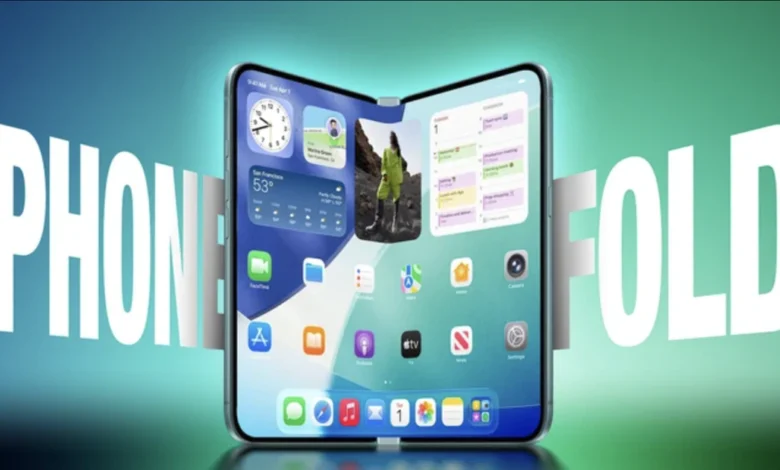
As the global smartphone industry relentlessly pushes the boundaries of hardware innovation, Apple is once again capturing the intense focus of technology enthusiasts and industry analysts worldwide. While traditional candy-bar smartphones continue to dominate the mainstream market, persistent rumors and leaked supply chain insights suggest that Apple is actively preparing to launch its very first foldable device, provisionally dubbed the iPhone Fold or iPhone Ultra. This potential strategic shift represents a monumental milestone for the Cupertino-based tech giant, marking its official entry into a product category pioneered and matured by competitors over the past several years.
Although Apple has yet to officially confirm the existence of such a device, the frequency and credibility of leaks emanating from Asian component manufacturers and supply chain analysts have reached an unprecedented peak. Industry watchers anticipate that if Apple chooses to unveil this revolutionary form factor, it could happen during one of its heavily anticipated hardware showcase events. The prospect of an Apple-branded foldable phone has already begun to reshape consumer expectations in key global markets, including Vietnam, where the high-end mobile segment is showing an insatiable appetite for cutting-edge technology.
Cutting-Edge Hardware and Internal Architecture
According to detailed supply chain reports, Apple’s upcoming foldable iPhone is expected to be an engineering tour de force, integrating the company’s most advanced silicon and component architecture to date. Whispers from manufacturing partners indicate that the device will likely house the proprietary A20 processor, built upon an ultra-advanced 2-nanometer fabrication process. This next-generation chipset will reportedly be paired with a generous 12GB of RAM, specifically configured to handle intensive on-device machine learning workflows and complex tasks associated with the ever-expanding suite of Apple Intelligence features.

The inclusion of top-tier processing power and massive memory allocation underscores Apple’s determination to ensure that its foldable device is not merely a novelty, but a productivity powerhouse. Furthermore, industry insiders suggest that the device will adopt a book-style folding mechanism reminiscent of a hardcover notebook. To ensure structural integrity, premium durability, and a luxurious tactile feel, Apple is reportedly utilizing a robust titanium alloy hinge system. One of the most critical engineering hurdles that consumers and analysts expect Apple to conquer is the notorious crease across the display panel—an aesthetic and functional imperfection that has persistently plagued foldable smartphones since their inception. By introducing a proprietary hinge design and ultra-thin glass technology, Apple aims to deliver a seamless, uninterrupted viewing experience that sets a new industry standard.
The Evolving Landscape of Foldable Smartphones in Vietnam
The Vietnamese smartphone market has evolved rapidly, transitioning from a predominantly price-sensitive consumer base to one that increasingly values premium innovation, status, and multifaceted utility. In 2026, the foldable smartphone segment in Vietnam continues to experience vibrant growth, with major manufacturers aggressively refining device thickness, hinge durability, battery capacity, and artificial intelligence integration.
Motorola recently made waves with the introduction of the Razr Fold, successfully expanding its footprint in the luxury foldable category by offering a sophisticated horizontal folding design coupled with a sprawling outer display. Meanwhile, Samsung maintains a formidable presence in the region with its iterative refinements to the Galaxy Z Fold and Galaxy Z Flip lineups. Samsung’s latest iterations place heavy emphasis on thinner chassis designs, highly robust hinge mechanisms, and deep integration with Galaxy AI capabilities, which resonate strongly with younger, productivity-driven demographics.
Oppo has also cemented its position in the horizontal foldable arena with the release of the Find N6. The device targets consumers who prioritize an ultra-slim profile, titanium alloy hinges, and a world-class camera system co-engineered with optical industry leaders. Concurrently, Huawei has made aggressive inroads into the Vietnamese market with the Mate X7, leveraging its sleek industrial design, advanced computational photography, and the expanding ecosystem of the HarmonyOS platform to capture the attention of tech enthusiasts.

Consumer Preferences and Market Implications
For years, the foldable smartphone segment was largely categorized as an experimental playground for early adopters willing to compromise on durability and price. However, as manufacturing processes mature and software optimization catches up with hardware advancements, foldable devices are steadily transforming into practical, everyday options for high-end consumers.
In Vietnam, affluent consumers have historically favored traditional flagship models, particularly the iPhone Pro and Pro Max series. The potential introduction of an Apple foldable device would introduce a fascinating new dynamic to the local luxury market. If Apple successfully integrates its ecosystem synergy with a flawless foldable form factor, it could prompt a significant portion of loyal iPhone users to transition to the new device, rather than defecting to Android-based foldable alternatives.
Moreover, Apple’s entry into the foldable arena is expected to intensify competition across the entire high-end sector. Industry analysts predict that the Cupertino giant’s participation will validate the foldable category once and for all, compelling rival manufacturers to accelerate their research and development investments. As the boundaries between tablets and smartphones continue to blur, the coming years will likely determine whether foldable devices transition from a luxury niche into the definitive standard for premium mobile computing.
Related posts: