The Gift of Life: A Vietnamese Family’s Decision to Donate Organs Saves Three Patients and Sparks a National Conversation on Humanitarianism

The poignant words of a grieving son echoed through the halls of Thanh Nhàn Hospital in Hanoi as a family prepared to say their final goodbyes: "Everyone must eventually leave this life. If my father cannot stay with us, let a part of him continue to live in the bodies of others." This profound statement, delivered by a man named Khanh, marked the beginning of a remarkable humanitarian journey that transformed a family’s personal tragedy into a miraculous opportunity for three strangers awaiting life-saving transplants. The decision to donate the organs of his father, Mr. L.V.H., who was born in 1963, serves as a powerful testament to the growing spirit of organ donation in Vietnam, a country where cultural traditions and medical advancements are increasingly intersecting to save lives.
The Medical Chronology: From Emergency to a Final Diagnosis
The journey began when Mr. L.V.H. was rushed to Thanh Nhàn Hospital in a state of extreme medical emergency. Upon arrival, he was in critical condition, exhibiting signs of severe neurological distress. Recognizing the gravity of the situation, the hospital’s medical leadership immediately mobilized a multi-disciplinary team of specialists. Every available resource, from advanced life-support systems to the most intensive resuscitation protocols, was deployed in an exhaustive effort to stabilize the patient and restore his vital functions.
For several hours, the medical team engaged in a relentless race against time. The intensive care unit became a battlefield where doctors and nurses worked tirelessly to reverse the damage. However, despite the application of modern medicine’s best efforts, the patient’s brain damage was deemed irreversible. Following a series of rigorous clinical tests and standardized legal procedures, the medical board officially declared Mr. L.V.H. to be brain dead.
In the medical community, a diagnosis of brain death is a somber milestone. It signifies the complete and irreversible cessation of all brain functions, including the brainstem. While the heart may continue to beat temporarily with the assistance of a ventilator, the individual is legally and clinically deceased. At Thanh Nhàn Hospital, the atmosphere turned heavy as the doctors conveyed this news to the family. It was a moment of profound sorrow for the relatives and a point of professional regret for the healthcare providers who had hoped for a different outcome.
A Courageous Decision Amidst Grief
In the immediate wake of the diagnosis, the medical staff at Thanh Nhàn Hospital approached the family with sensitivity to discuss the possibility of organ donation. This conversation is one of the most delicate in the field of medicine, requiring a balance of deep empathy and clear information. The doctors explained the humanitarian significance of organ and tissue donation, emphasizing how such a gesture could provide a "miracle" for patients currently on the national waiting list, many of whom are facing imminent death without a transplant.
For Mr. L.V.H.’s family, the decision was not instantaneous. Khanh, the son, recounted that the family gathered for a long and difficult discussion. In Vietnamese culture, the concept of "dying whole" remains a deeply rooted traditional belief, often creating a barrier to organ donation. However, the family chose to focus on the values of compassion and the legacy of their patriarch.
Khanh, who frequently participates in charitable activities and visits pagodas, shared that his personal belief in the philosophy of "giving is living forever" played a significant role in their consensus. "I have always believed that giving is a meaningful act," Khanh said. "When I realized my father had no chance of recovery, I thought that if he could help others, that would be the most beautiful thing he could leave behind for this world." With the unanimous support of the family, Khanh signed the voluntary organ donation consent forms, choosing to let his father’s departure become a new beginning for others.
A Masterclass in Medical Coordination and Logistics
Once the consent was finalized, Thanh Nhàn Hospital immediately activated a complex, high-speed coordination protocol. Organ transplantation is a logistical challenge that requires seamless cooperation between multiple institutions and the National Organ Transplant Coordination Center. The "golden hour" for organ retrieval and transplantation is extremely tight; once organs are removed from the donor, they must be transported and transplanted into the recipients within a matter of hours to ensure viability.
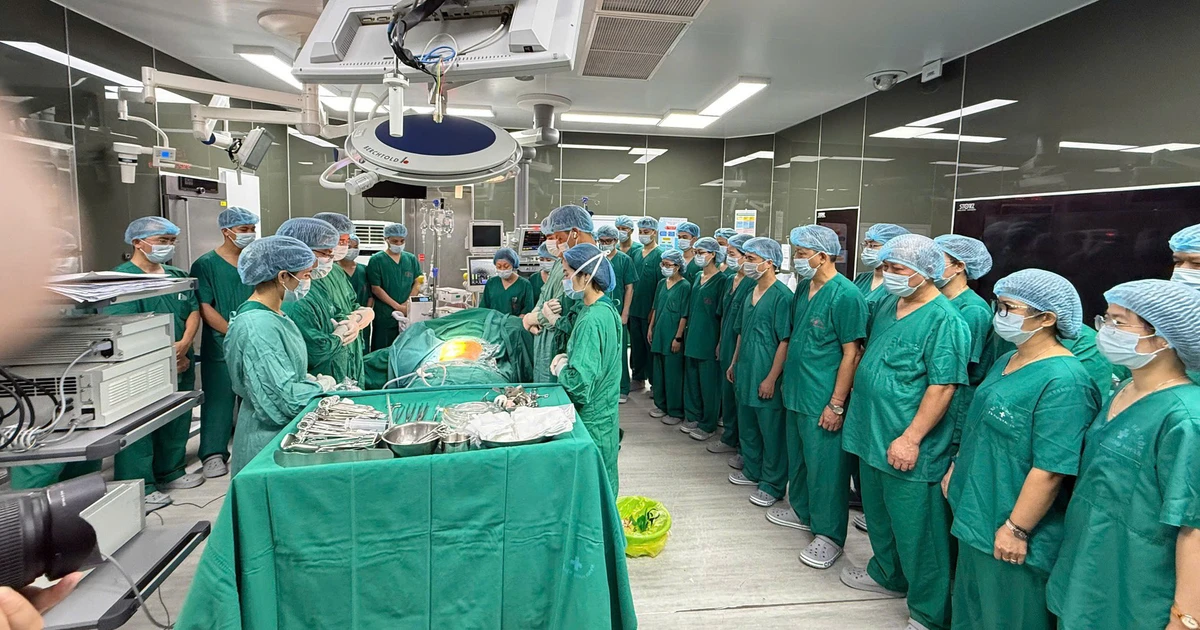
The coordination effort involved dozens of professionals, including surgeons, anesthesiologists, nurses, and technicians. The team worked to maintain the donor’s physiological stability to preserve the quality of the organs while simultaneously screening the national database to identify the most compatible recipients.
The operation was a collaborative triumph involving:
- Thanh Nhàn Hospital: The primary site for donor care and the retrieval operation.
- The National Organ Transplant Coordination Center: The regulatory body managing the legal and ethical distribution of the organs.
- 108 Military Central Hospital: The recipient site for the liver transplant.
- The Central Eye Hospital: The recipient site for the cornea transplants.
This level of inter-hospital coordination is a relatively recent development in the Vietnamese medical system, reflecting a sophisticated network designed to ensure that no donated organ goes to waste and that every procedure meets the highest safety standards.
Results of the Transplantation: Three Lives Transformed
The surgical teams worked through the night to carry out the family’s wishes. The results of this selfless act were immediate and life-changing for the recipients:
- The Liver: Mr. L.V.H.’s liver was successfully transported to the 108 Military Central Hospital, where it was transplanted into a patient suffering from end-stage liver failure. For this individual, the transplant was the only alternative to a terminal prognosis.
- The Corneas: Both corneas were transferred to the Central Eye Hospital. These tissues provided the gift of sight to two separate patients who had been living in darkness due to corneal diseases.
In total, one man’s death resulted in the direct physical restoration of three other individuals. While Khanh and his family do not know the identities of the recipients, they expressed that anonymity does not diminish the comfort they feel. Their only wish is that the recipients live healthy, decent lives and cherish the "gift" his father left behind.
The State of Organ Donation in Vietnam: Context and Data
This case at Thanh Nhàn Hospital highlights a critical and evolving area of Vietnamese public health. According to data from the National Organ Transplant Coordination Center, the demand for organ transplants in Vietnam is staggering. Approximately 10,000 people currently suffer from end-stage renal failure and require kidney transplants, while thousands more are on waiting lists for heart, liver, lung, and cornea transplants.
Historically, the vast majority of transplants in Vietnam have come from living donors, usually family members. However, the medical community has been pushing for an increase in donations from brain-dead and deceased donors. Donations from brain-dead individuals are considered the "gold standard" because a single donor can provide multiple organs (heart, two lungs, liver, two kidneys, pancreas) and various tissues (corneas, skin, bone, heart valves), potentially saving or improving the lives of up to 10 or more people.
In recent years, the number of registered organ donors in Vietnam has seen a promising increase. From only a few hundred registrations a decade ago, the number has grown to tens of thousands. However, the actual rate of deceased donation remains low compared to regional neighbors. Efforts by the Ministry of Health and various social organizations are focused on education to dispel myths surrounding brain death and the afterlife.
Official Responses and the Humanitarian Impact
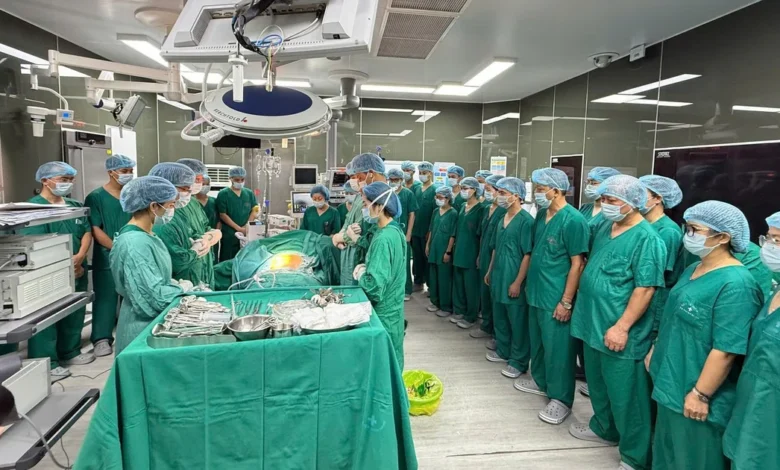
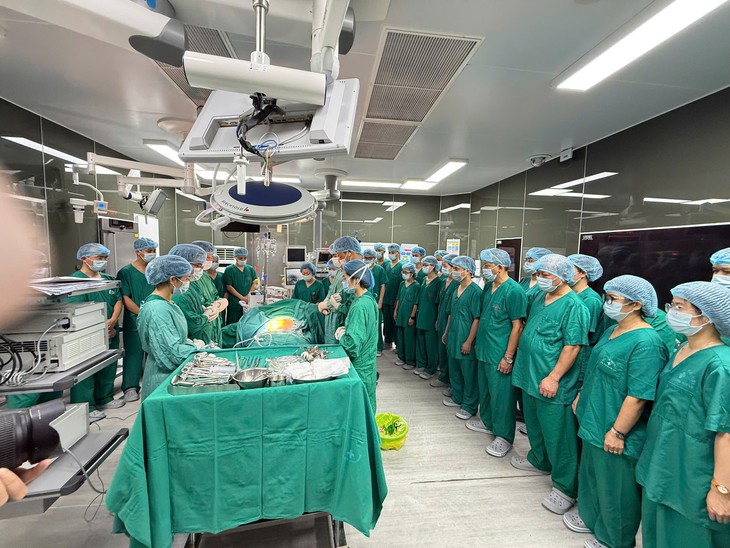
Dr. Nguyen Van Thuong, Director of Thanh Nhàn Hospital, remarked on the profound nature of this event. He described each instance of organ donation from a brain-dead patient as a "special journey where medicine meets humanity." The hospital held a solemn tribute ceremony—a "tri ân" (gratitude) ritual—where medical staff stood in a line of honor to salute the donor as he was moved to the operating room. This practice has become a standard of respect in Vietnamese hospitals, acknowledging the donor as a hero.
The humanitarian impact of such acts extends beyond the immediate recipients. Each publicized case of successful donation serves to normalize the practice within the community. It encourages families to discuss their wishes regarding organ donation before a tragedy occurs, thereby reducing the burden of decision-making on grieving relatives during a crisis.
Broader Implications for the Future of Vietnamese Healthcare
The successful coordination between Thanh Nhàn Hospital and specialized central hospitals underscores the maturity of Vietnam’s transplant infrastructure. As the country continues to refine its legal framework—specifically the Law on Donation, Removal, and Transplantation of Human Tissues and Organs—the focus is shifting toward establishing more "organ donation units" within hospitals nationwide.
The story of Mr. L.V.H. and his family is a reminder that while medical technology provides the tools for transplantation, it is the human spirit and the willingness to sacrifice that provide the "source material" for these miracles. As Vietnam moves forward, the integration of such humanitarian values into the core of the healthcare system is expected to remain a top priority, ensuring that even in death, there is the potential for the continuation of life.
For the family of Mr. L.V.H., the pain of loss remains, but it is now tempered by the knowledge that their father’s heart—symbolically and through his other organs—continues to beat in the community. Their story stands as a beacon of hope, urging a society to look past the finality of death toward the enduring legacy of a gift that truly lives forever.