Breakthrough Triple-Target T-Cell Therapy Shows Promise in Treating Incurable Pediatric Brain Tumors

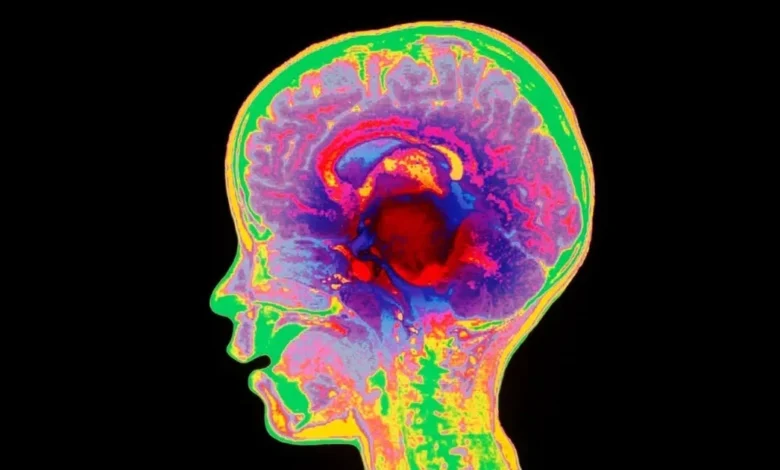
In a landmark medical achievement published in the journal Nature Medicine, researchers from Children’s National Hospital in Washington, D.C., have demonstrated that a novel immunotherapy utilizing triple-target T cells can significantly extend survival and, in some cases, eliminate all traces of cancer in children with highly aggressive brain tumors. This Phase I clinical trial represents a pivotal shift in the landscape of pediatric neuro-oncology, offering a beacon of hope for families facing diagnoses that were previously considered a certain death sentence. By targeting three different proteins simultaneously, this new therapeutic approach addresses the complex biological "camouflage" that brain tumors use to evade the immune system, marking a significant advancement over traditional single-target treatments.
The Crisis of Pediatric High-Grade Gliomas and DIPG
To understand the magnitude of this breakthrough, one must consider the devastating nature of the cancers targeted in this study. Pediatric high-grade gliomas (pHGG) and Diffuse Intrinsic Pontine Gliomas (DIPG) are among the most lethal forms of childhood cancer. DIPG, in particular, is a tumor that grows in the brainstem, the area responsible for vital functions such as breathing, heart rate, and blood pressure. Because of its location, surgical removal is impossible, and the blood-brain barrier often renders conventional chemotherapy ineffective.
For decades, the standard of care for DIPG has remained largely unchanged, consisting primarily of radiation therapy which, while temporarily shrinking the tumor, rarely offers a long-term cure. Most children diagnosed with DIPG face a median survival rate of less than a year, and fewer than 10% survive two years post-diagnosis. The medical community has long sought a way to harness the body’s own immune system to cross the blood-brain barrier and attack these "incurable" masses without damaging the delicate surrounding brain tissue.
Methodology: The Triple-Target TAA-T Approach
The study, led by the Center for Cancer and Immunology Research at Children’s National Hospital, focused on a specific type of immunotherapy known as Tumor-Associated Antigen-Specific T-cell (TAA-T) therapy. Unlike the more famous CAR-T cell therapy, which involves genetically engineering a patient’s immune cells to recognize a single marker, TAA-T therapy focuses on expanding a patient’s natural T cells to recognize multiple markers without genetic modification.
One of the primary reasons brain tumors are so difficult to treat is their "heterogeneity." Within a single tumor, different cells may express different proteins. If a drug only targets one protein, the cells lacking that protein will survive and continue to grow, leading to a relapse. To combat this, the Children’s National team developed a "triple-threat" approach. They trained the T cells to recognize three specific proteins commonly found on the surface of pediatric brain tumor cells: PRAME, WT1, and Survivin. By hitting three targets at once, the researchers significantly reduced the chances of the tumor "escaping" the treatment.
The process involves extracting T cells from the patient’s own blood. In a highly controlled laboratory environment, these cells are exposed to the three target antigens and stimulated to multiply into the billions. Once the "army" of T cells is sufficiently large and specifically calibrated to seek out the tumor’s unique protein signature, they are infused back into the patient.
Clinical Trial Data and Patient Outcomes
The Phase I trial enrolled 33 pediatric and adolescent patients who had either newly diagnosed DIPG or recurrent central nervous system (CNS) tumors. The primary objective of a Phase I trial is to assess safety and determine the appropriate dosage, but the efficacy results observed were nothing short of extraordinary.
Among the 33 participants, three children achieved a "complete response," meaning that after several years of follow-up, all detectable signs of cancer had vanished. In the world of pediatric high-grade gliomas, such a result is virtually unheard of. Furthermore, one patient with DIPG—a condition where long-term survival is statistically rare—remains alive and healthy more than two years after receiving the treatment.
Prior to joining the trial, many of these children had undergone exhaustive conventional treatments. Some had endured as many as 17 rounds of chemotherapy or multiple courses of high-intensity radiation, only to see their tumors return. The fact that TAA-T therapy could induce remission in patients who had failed every other standard of care highlights its potential as a transformative frontline or secondary treatment.
Safety and the Advantage of Intravenous Delivery
A major concern with immunotherapy in the brain is the risk of severe inflammation. When the immune system attacks a tumor, the resulting swelling (edema) can be dangerous in the confined space of the skull. However, the trial results indicated that the TAA-T therapy was generally well-tolerated. The most common side effects were mild, consisting primarily of fatigue and headaches, which were manageable with standard medical care. This profile is significantly safer than many existing treatments that cause long-term cognitive impairment or systemic organ damage.
Another significant finding was the success of intravenous delivery. Historically, many researchers believed that to treat brain tumors, immune cells had to be injected directly into the brain or the spinal fluid—a highly invasive procedure with a high risk of infection. This study proved that the TAA-T cells, when infused into the bloodstream, were capable of navigating the circulatory system, crossing the blood-brain barrier, and successfully locating the tumor site. This makes the treatment far more accessible and less traumatic for young patients.
Expert Analysis and Scientific Significance
Medical experts not involved in the study have praised the results as a "proof of concept" for multi-target immunotherapy in solid tumors. While immunotherapy has seen massive success in "liquid" cancers like leukemia, solid tumors have remained a formidable fortress. The ability of these T cells to survive and remain active within the immunosuppressive environment of a brain tumor is a major scientific milestone.
Dr. Catherine Bollard, a senior author of the study and a leading figure in immunotherapy, noted that the research addresses the fundamental challenge of tumor escape. By targeting three antigens, the therapy effectively "corners" the cancer. Even if the tumor attempts to mutate and stop producing one of the proteins, the T cells can still recognize it through the other two markers. This multi-pronged attack is increasingly seen as the future of oncology.
Chronology of the Research and Future Steps
The development of this therapy is the result of over a decade of laboratory research and preclinical testing. The timeline of this specific trial involved:
- Antigen Identification: Years of genomic sequencing to identify the three proteins (PRAME, WT1, Survivin) most prevalent in pediatric brain tumors.
- Protocol Development: Designing a method to expand T cells to recognize all three antigens without losing their potency.
- Patient Enrollment: Selecting a cohort of 33 children with the most dire prognoses.
- Treatment and Observation: Infusing the cells and monitoring the patients for years to track both safety and long-term remission.
With the success of Phase I, the research team is already moving forward with additional Phase I and Phase II trials. These subsequent studies will aim to refine the dosage and potentially combine TAA-T therapy with other treatments, such as low-dose radiation, to see if the results can be further enhanced. The ultimate goal is to move this therapy from an experimental "last resort" to a standard part of the treatment protocol for all children diagnosed with high-grade gliomas.
Broader Implications for Cancer Treatment
The success of this trial at Children’s National Hospital has implications that reach far beyond pediatric brain cancer. The methodology of using non-genetically modified, multi-target T cells could potentially be applied to other "hard-to-treat" solid tumors in adults, such as pancreatic cancer or metastatic melanoma. It represents a move toward "personalized" but "natural" medicine, where the body’s own defense mechanisms are simply given the map and the numbers they need to win the war.
For the families of the three children now living cancer-free, this research is more than a scientific paper; it is the miracle they were told was impossible. As the medical community digests these findings, the focus turns to scalability—how to make this complex process of T-cell expansion available to more hospitals and more children worldwide.
In conclusion, the triple-target T-cell therapy developed by Children’s National Hospital has set a new standard for what is possible in pediatric oncology. By proving that "incurable" tumors can be cleared through a safe, intravenous, and scientifically sophisticated immune response, this study has opened a new chapter in the fight against childhood cancer. While challenges remain in making this treatment widely available, the data is clear: the era of effective immunotherapy for pediatric brain tumors has officially arrived.