Major Diamond Brands Across Vietnam Temporarily Halt Operations Amidst Market Turmoil and Eroding Consumer Trust

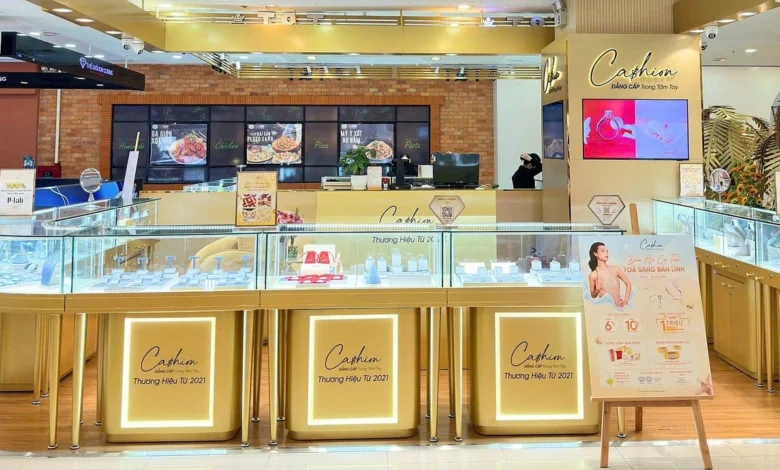
Ho Chi Minh City, Vietnam – A significant wave of disruption is sweeping through Vietnam’s prestigious diamond market, as three prominent jewelry brands – Cashion, Quoc Jewelry, and Hoang Thuy Jewelry – simultaneously announced temporary suspensions of operations or closures on July 19. This follows earlier similar announcements from other key players, including PJA Diamond & Jewelry and Hong Phuc, signaling a deepening crisis for the luxury sector. The closures are largely attributed to unprecedented market volatility, a sharp decline in consumer confidence, and a surge in customer demands for buybacks, placing immense financial strain on businesses already grappling with a challenging economic landscape.
Widespread Suspensions Rock the Industry
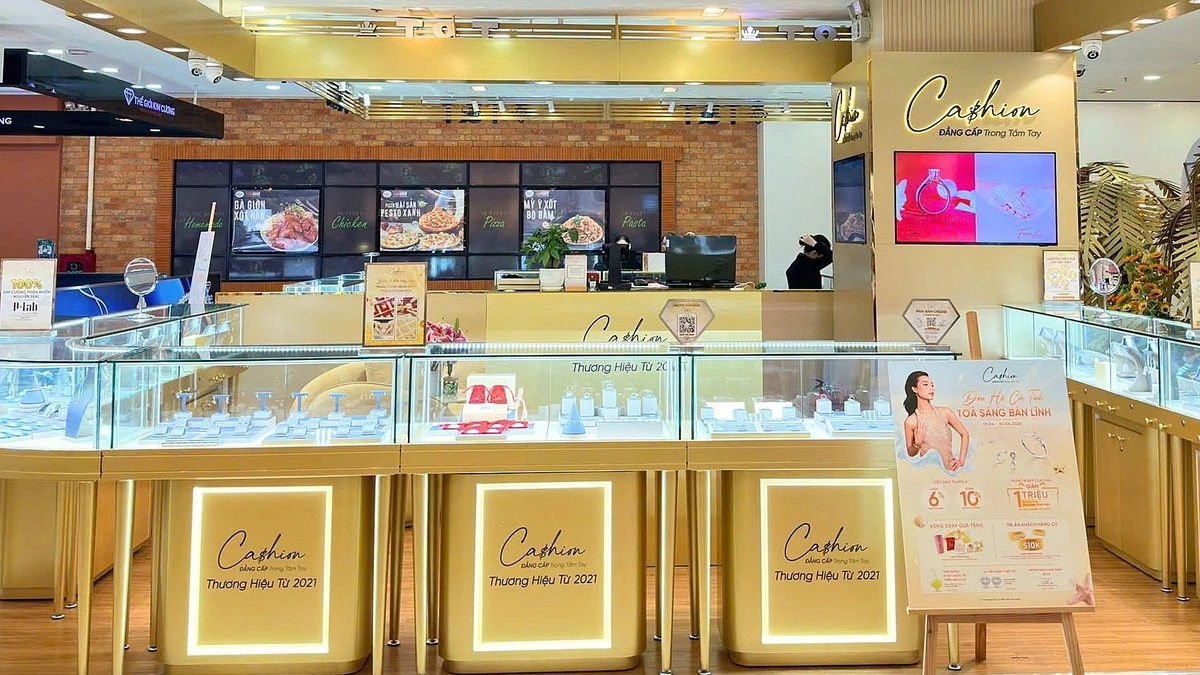
On July 19, Cashion, a well-established diamond retailer operating across ten major Vietnamese cities including Ho Chi Minh City, Hanoi, Da Nang, and Hai Phong, declared a two-month halt to its operations. The company cited "significant market fluctuations" as the primary reason, stating that it "no longer possesses the adequate conditions to sustain operations under the current model." Cashion’s announcement, disseminated across its numerous outlets, indicated a period of restructuring, with the possibility of reopening under a more suitable business model. This widespread suspension by a national player underscores the severity of the challenges facing the industry.
Concurrently, two other prominent diamond establishments in Ho Chi Minh City, Quoc Jewelry and Hoang Thuy Jewelry, located on the bustling Le Thanh Ton Street in Ben Thanh Ward, also announced temporary closures. Quoc Jewelry declared a brief hiatus from July 19 to August 3, explaining its need to "reorganize operations and prepare better for the upcoming period." The company acknowledged that customer inquiries and support might experience delays, but reassured patrons that this was merely a "short break" before their return. Hoang Thuy Jewelry, however, painted a more somber picture, stating that market developments since late May had "exceeded all predictions." Consequently, the company made the difficult decision to temporarily cease operations to "restructure."
Earlier Signals of Distress
These latest closures are not isolated incidents but rather an acceleration of a trend that began weeks prior. Just days before the recent announcements, PJA Diamond & Jewelry, another significant player situated on Vo Van Tan Street in Ho Chi Minh City’s Ben Co Ward, had also declared a suspension of its business activities. PJA’s statement provided a stark illustration of the underlying financial pressure, revealing that over 90% of its customers had simultaneously requested to sell back their diamond products. This overwhelming demand for liquidity pushed the company to the brink, rendering it unable to meet its financial obligations after 45 days of intense efforts to manage its cash flow. In its announcement, PJA expressed deep regret and apologized to its customers, acknowledging that it had "no other choice."
The ripple effect extends beyond the major urban centers. In Dong Thap province, the reputable Hong Phuc jewelry store also announced a two-month operational suspension for restructuring purposes, indicating that the crisis is not confined to the nation’s largest metropolitan areas but is impacting regional markets as well. The collective actions of these businesses highlight a systemic challenge to the diamond retail landscape in Vietnam.
The Catalyst: Eroding Consumer Trust and Regulatory Scrutiny
The current turmoil in the Vietnamese diamond market can be traced back to a series of unsettling events that have severely eroded consumer confidence. Starting in late May and intensifying through July, widespread rumors circulated on social media concerning the quality and authenticity of diamonds sold in the market. These unsubstantiated claims created an atmosphere of suspicion among diamond owners, leading many to question the value of their investments.
The situation was further exacerbated by official investigations into alleged illicit activities within the industry. A significant blow to consumer trust came with the announcement that PNJ Lab, a prominent diamond appraisal unit, was under investigation in connection with a large-scale diamond smuggling case involving nearly 30,000 diamonds. This development sent shockwaves through the market, as it implicated a key institution responsible for ensuring the quality and authenticity of precious stones. The investigation raised serious questions about the integrity of the supply chain and verification processes, making consumers increasingly wary of their diamond purchases.
Adding to the industry’s woes, approximately a week prior to the latest closures, three other major diamond brands – Kim Ly, Ngoc Tam, and Ngoc Chau Au – had also suspended operations. This earlier round of closures was directly linked to information regarding the indictment of a store owner involved in the aforementioned smuggling ring of 30,000 diamonds. These events, unfolding in quick succession, have created a perfect storm, transforming a luxury market built on trust and perceived value into one plagued by uncertainty and fear.
The Pressure of Buyback Policies
A unique characteristic of the Vietnamese diamond market is the prevalent practice among retailers to offer buyback policies. These policies, typically guaranteeing buyback rates of 80% to 95% of the original purchase price depending on quality, size, and product condition, were initially designed to provide customers with a sense of security and investment confidence. In normal market conditions, this feature helps differentiate diamond purchases from other luxury goods by offering a perceived level of liquidity.
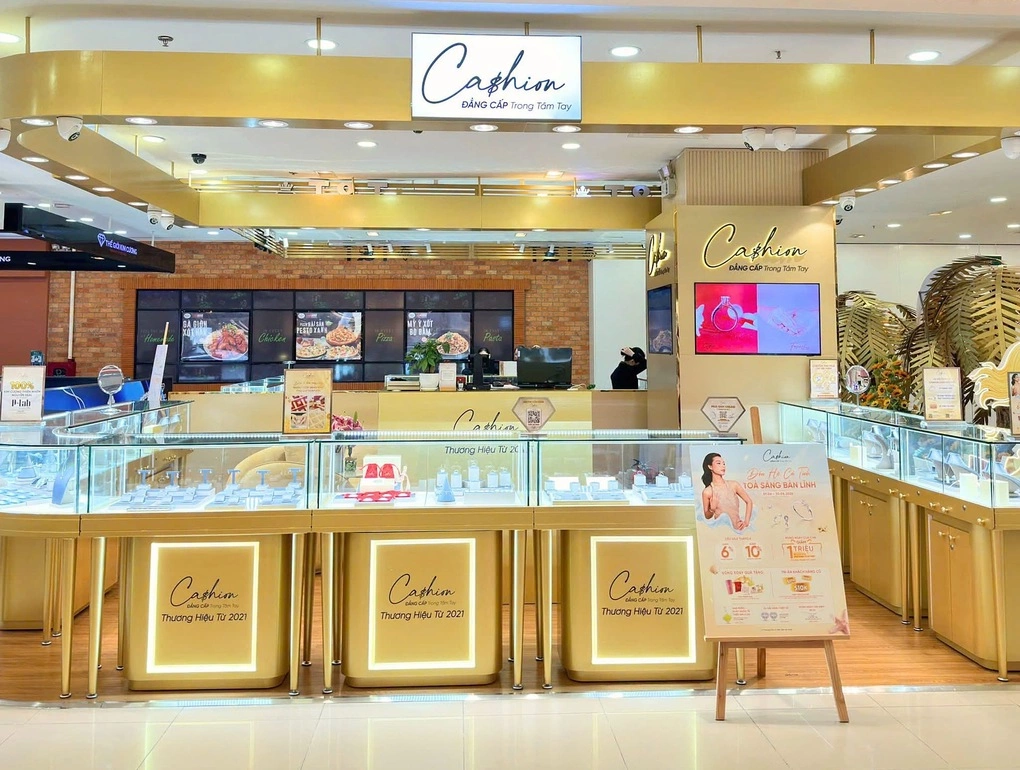
However, in the current climate of panic and mistrust, these very policies have become a significant vulnerability for businesses. The unprecedented demand for buybacks, as exemplified by PJA Diamond & Jewelry, has created severe liquidity challenges for retailers. Customers, fearing further devaluation or questioning authenticity amidst the rumors and investigations, are opting to sell back their diamonds en masse, overwhelming the financial capacity of many businesses.
Several other diamond brands, such as Quyeen Diamond and Kim Cuong Cao Hong, have also been compelled to temporarily suspend their buyback policies due to financial pressures, further underscoring the widespread nature of the problem. Industry experts note that the ability to honor these buyback commitments in times of crisis serves as a crucial test of a company’s financial resilience and overall reputation. Businesses with strong capital reserves and robust risk management strategies are better positioned to weather such storms, while those with weaker foundations are forced to make difficult operational decisions. The majority of secondary market transactions for diamonds in Vietnam typically occur directly with the original selling entity or through a select few specialized, experienced dealers.
Broader Implications and Outlook
The cascading closures and suspensions are having profound implications for the Vietnamese luxury market. Consumer confidence, a cornerstone of any high-value goods sector, has taken a significant hit. The immediate aftermath has seen a sharp increase in customers seeking consultation and re-appraisal services for their existing diamond collections, reflecting a deep-seated anxiety about their assets. This surge in demand for verification services highlights the urgent need for greater transparency and stricter quality control measures across the industry.
Beyond the diamond sector, there are concerns about potential ripple effects on other luxury segments, as overall consumer sentiment towards discretionary spending may be dampened. The current situation also serves as a stark reminder of the importance of robust regulatory frameworks and vigilant oversight to prevent illicit activities that undermine legitimate businesses and defraud consumers. Authorities are expected to intensify their scrutiny of diamond import, appraisal, and sales processes to restore order and trust.
While the current period is undoubtedly challenging, some industry observers suggest that it could ultimately lead to a more transparent and resilient market. Companies that survive this shake-up may emerge stronger, having demonstrated their financial stability and commitment to customer trust. However, the path to recovery will likely be protracted, requiring sustained efforts from businesses to rebuild confidence, and from regulators to ensure a fair and secure trading environment. The coming months will be critical in determining the long-term shape and stability of Vietnam’s diamond industry.