Colorectal Cancer Rates Surge in Ho Chi Minh City as Medical Experts Warn of Misdiagnosis and Lifestyle Risks

The incidence of colorectal cancer is rising at an alarming rate in Ho Chi Minh City, with the number of cases increasing nearly 1.7 times over the past two decades. Medical data indicates that for every ten cancer diagnoses recorded in the city, at least one falls into this category. This surge, highlighted by oncology experts, is being driven primarily by the rapid urbanization of the region and a corresponding shift in dietary habits and lifestyle choices. Furthermore, a significant number of patients continue to delay treatment due to a common and dangerous confusion between the symptoms of colorectal cancer and those of hemorrhoids, often leading to diagnoses only when the disease has reached an advanced stage.
The Binh Dan Hospital Seminar: A Focus on Patient Support
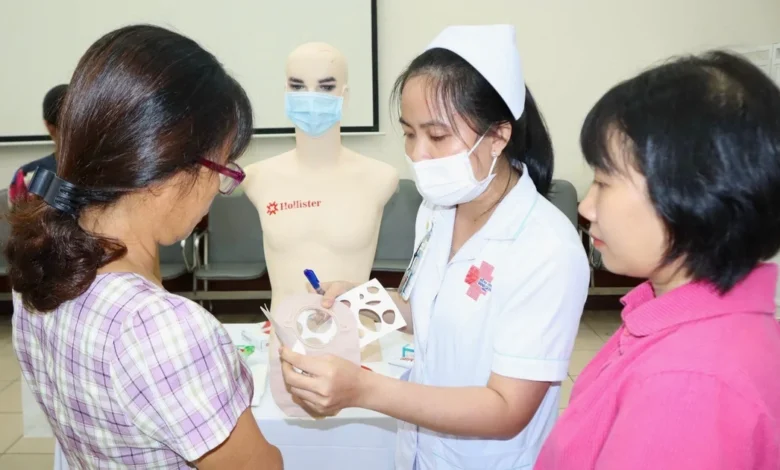
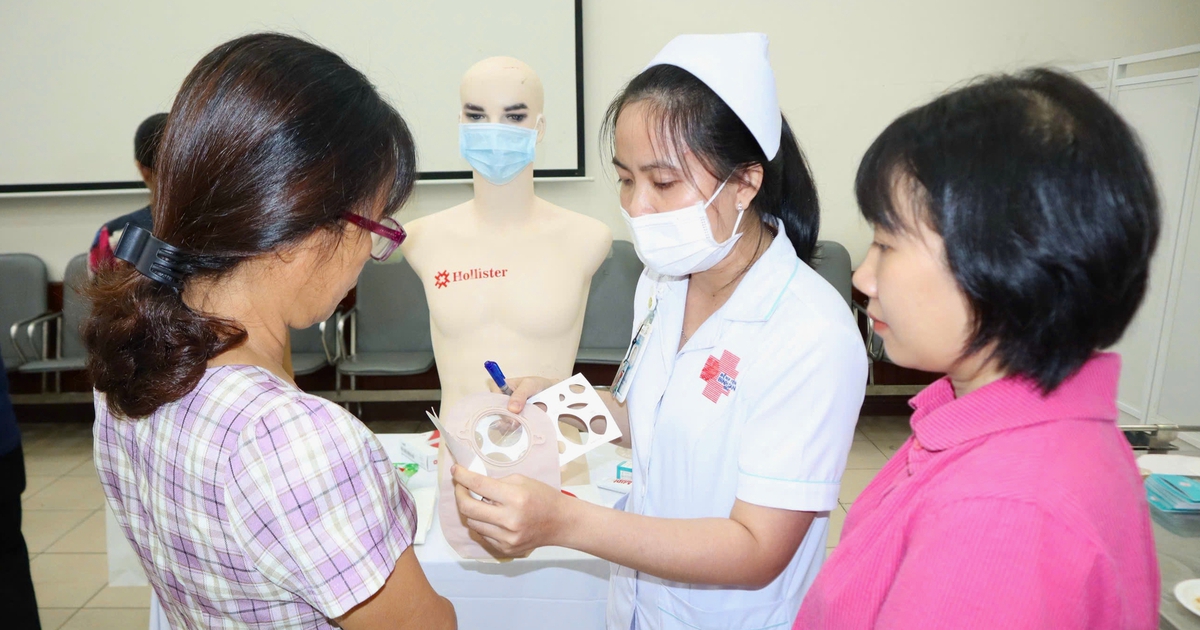
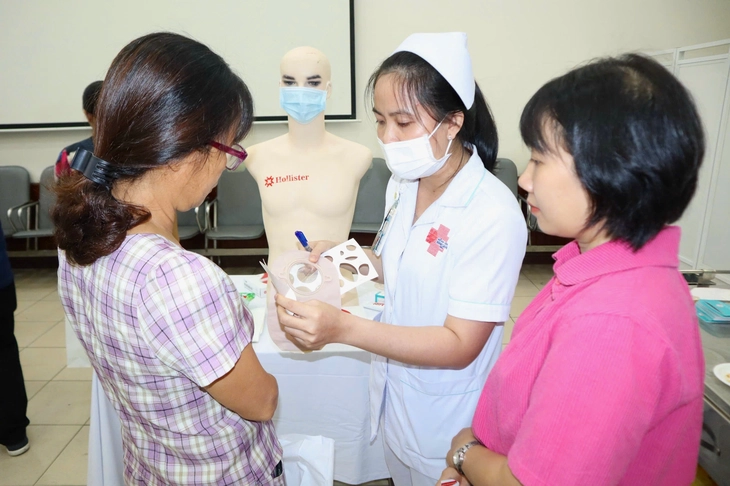
On July 18, 2024, the Department of Colorectal Surgery at Binh Dan Hospital in Ho Chi Minh City hosted a periodic session for the "Artificial Anus Club 2026." The event, titled "Care and Nutrition for Colorectal Cancer Patients with an Artificial Anus," served as a vital platform for medical professionals to educate patients and their families on post-surgical recovery and the management of a stoma.
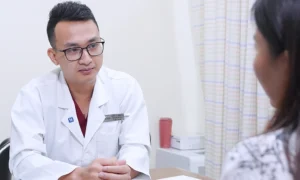
Dr. Vu Khuong An, Deputy Head of Colorectal Surgery at Binh Dan Hospital, addressed the attendees, noting that colorectal cancer has now solidified its position as one of the five most common types of cancer in Vietnam. The seminar emphasized that while the diagnosis is devastating, modern surgical techniques and comprehensive care programs allow patients to maintain a high quality of life. However, the primary focus of the medical community remains on early detection and the prevention of new cases through lifestyle modification.
Analyzing the 1.7-Fold Increase: The Urbanization Factor
The 1.7-fold increase in colorectal cancer rates in Ho Chi Minh City over the last twenty years is not an isolated phenomenon but is deeply connected to the socio-economic transformation of Southern Vietnam. As Ho Chi Minh City has evolved into a bustling megacity, the daily routines of its residents have shifted toward what health experts call the "urban trap."
According to Dr. An, this transition involves a move away from traditional Vietnamese diets, which were historically high in fiber, fresh herbs, and fermented vegetables, toward a "Westernized" diet. This modern diet is characterized by a high intake of red meats (beef, lamb, pork), processed meats (sausages, canned goods), and fast food. Additionally, the consumption of oily, fried, and grilled foods has increased.
Supporting health data suggests that the lack of physical activity inherent in office-based urban jobs, combined with high rates of tobacco use and alcohol consumption, creates a "perfect storm" for digestive tract malignancies. Red meat, when consumed in excess, contains compounds that can damage the lining of the colon, while processed meats often contain nitrates and other preservatives that are classified as carcinogens by the World Health Organization (WHO).
The Danger of Symptom Confusion: Cancer vs. Hemorrhoids
One of the most critical barriers to effective treatment in Vietnam is the widespread tendency for patients to self-diagnose. Because both colorectal cancer and hemorrhoids can cause rectal bleeding, many individuals assume their discomfort is due to the latter, which is a common and non-life-threatening condition.
"Many people believe that blood in their stool is simply a sign of hemorrhoids, so they do not seek a medical examination," Dr. An explained. This delay is often fatal. While hemorrhoids involve swollen veins in the lower rectum, colorectal cancer involves the growth of malignant cells in the colon or rectum. By the time a patient realizes that "hemorrhoid cream" or traditional herbal remedies are not working, the tumor may have already metastasized to the liver or lungs.
Medical professionals urge the public to recognize that any change in bowel habits or persistent bleeding requires a professional evaluation, specifically a colonoscopy, which remains the gold standard for differentiating between benign conditions and life-threatening tumors.
The 10-15 Year Window: A Story of Prevention
A crucial takeaway from recent medical research presented at the Binh Dan Hospital seminar is that colorectal cancer rarely appears suddenly. It is a slow-developing disease that often begins as small, non-cancerous growths called polyps on the inner lining of the colon.
The process of a polyp transforming into a malignant tumor typically takes between 10 to 15 years. This long latency period provides a significant "window of opportunity" for medical intervention. If a person undergoes regular screening, these polyps can be identified and removed during a colonoscopy before they ever have the chance to become cancerous.
Dr. An emphasized that nearly half of all colorectal cancer cases could be prevented if the population were equipped with correct knowledge and participated in screening at the right time. In many developed nations, routine screening starts at age 45 or 50, but with the "younger" trend of cancer in Vietnam, doctors are increasingly recommending earlier check-ups for those with family histories of the disease.
The Five Warning Signs: When to See a Doctor
To combat the rising death toll, Binh Dan Hospital experts have outlined five specific red flags that the public should never ignore. If any of these symptoms persist, immediate medical consultation is required:
- Persistent Rectal Bleeding: Blood in the stool that lasts for more than two weeks. This may appear as bright red blood or dark, tarry stools. Even if the blood only appears on toilet paper, it warrants an investigation.
- Changes in Bowel Habits: Unexplained and alternating bouts of constipation and diarrhea that deviate from a person’s normal rhythm.
- Abnormal Stool Shape: Stools that become unusually thin, often described as "pencil-thin." This occurs when a tumor in the rectum narrows the passage, squeezing the waste as it passes through.
- Unexplained Abdominal Pain: Dull, aching pain or cramping in the lower abdomen that does not improve with standard digestive medication.
- Systemic Fatigue and Weight Loss: Sudden, unexplained weight loss accompanied by paleness (anemia) and chronic fatigue. This often indicates that a tumor is causing internal blood loss or consuming the body’s energy resources.
Surgical Reality: Living with an Artificial Anus
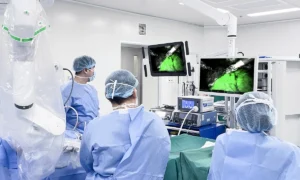
When colorectal cancer is detected at a stage where surgery is required, doctors may need to perform a colostomy. This involves creating an "artificial anus" (stoma)—an opening on the abdominal wall through which waste is diverted into a specialized pouch.
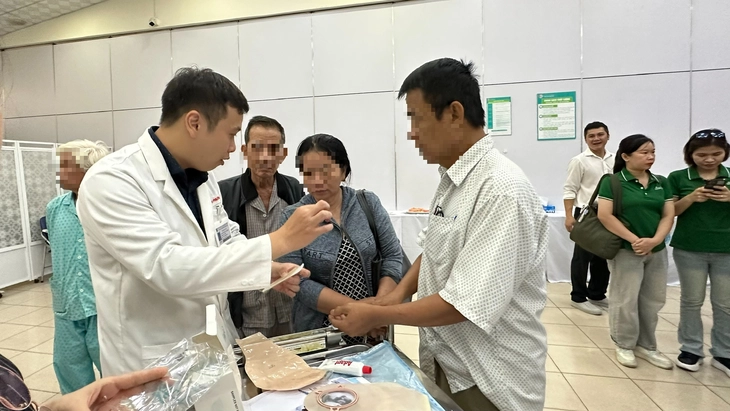
For many patients, the prospect of a stoma is a source of immense psychological distress and social stigma. However, the Artificial Anus Club at Binh Dan Hospital works to dispel these fears. Depending on the location of the tumor, a stoma may be temporary (lasting 1 to 6 months to allow the intestinal connection to heal) or permanent (if the tumor is located too low and requires the removal of the anal sphincter).
Modern medical technology has advanced significantly, providing high-quality, odor-proof, and leak-proof pouching systems. Experts at the seminar reassured patients that having an artificial anus does not mean the end of an active life. Patients with a stoma can still swim, travel, work, and participate in social activities. The key to this "new normal" is proper nutrition to manage stool consistency and diligent hygiene to protect the skin around the stoma.
Broader Implications and Public Health Strategy
The situation in Ho Chi Minh City reflects a broader challenge facing the Vietnamese healthcare system. As the country moves into a higher income bracket, the "epidemiological transition" sees a shift from infectious diseases to non-communicable diseases (NCDs) like cancer and diabetes.
The 1.7-fold increase in HCMC suggests that public health campaigns must go beyond simple awareness. There is a pressing need for a national screening program that makes colonoscopies more accessible and affordable for the general middle-aged population. Furthermore, the regulation of the food industry—specifically regarding the labeling of processed foods and the promotion of healthy diets in schools—is becoming a matter of national security.
In conclusion, while the statistics from Ho Chi Minh City are sobering, the message from Binh Dan Hospital is one of hope through proactivity. Colorectal cancer is a highly treatable and often preventable disease. By rejecting the "urban trap" of poor diet and sedentary living, and by overcoming the modesty or fear associated with rectal examinations, thousands of lives can be saved annually. The rise of the "Artificial Anus Club" is a testament to the resilience of survivors, but the goal of the medical community remains clear: to reduce the need for such clubs through early detection and a return to a high-fiber, healthy lifestyle.