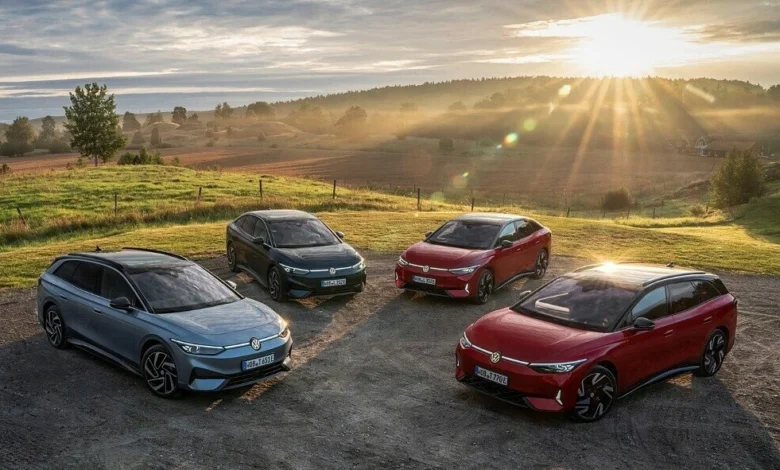
Volkswagen, the German automotive powerhouse, is significantly accelerating its global transition toward electric mobility, with Vietnam emerging as a strategic new frontier for its Battery Electric Vehicle (BEV) distribution network. This shift represents a fundamental transformation for the Wolfsburg-based manufacturer as it moves away from its traditional internal combustion engine (ICE) roots to become a software-driven technology company. By leveraging its success in the European and Chinese markets, Volkswagen aims to capitalize on the rapidly growing appetite for sustainable transportation in Southeast Asia, particularly in Vietnam, where the demand for electrified vehicles is outpacing its regional neighbors.
Global Electrification: A Giant in Motion
Volkswagen Group’s commitment to electrification is evidenced by its robust sales performance and ambitious production targets. By the end of 2025, the group anticipates total global sales of nearly 9 million vehicles. Within this massive volume, Battery Electric Vehicles (BEVs) are projected to contribute 983,120 units, representing a substantial 32% increase compared to 2024. This growth rate is the highest among all vehicle categories within the group’s portfolio, firmly positioning Volkswagen among the top five electric vehicle manufacturers globally.
In Europe, Volkswagen has already achieved a dominant position, surpassing its primary rival, Tesla. According to data from Jato Dynamics, the German brand delivered 274,278 electric vehicles in its home continent, securing approximately 27% of the market share. This success is the result of a decade-long evolution that began in 2013 with the e-up! and continued with the e-Golf in 2014. However, the true turning point arrived in 2019 with the debut of the ID.3, the first model built on the Modular Electric Drive Matrix (MEB) platform. This dedicated electric architecture allowed for greater efficiency, more spacious interiors, and a distinct design language that separates the ID family from Volkswagen’s traditional lineup.
Today, the company’s electric portfolio has expanded significantly. In Germany, the brand offers eight distinct BEV models, while in China—the world’s largest electric vehicle market—that number has grown to eleven. Core models such as the ID.3, ID.4, and ID.5 have become the pillars of Volkswagen’s sales, praised for their compact yet high-clearance designs, long driving ranges, rapid charging capabilities, and advanced digital features.
The China Pivot: A Blueprint for Asian Expansion
Volkswagen’s strategy in Asia is heavily centered on its operations in China, which serves as both a high-volume market and a global hub for research and development (R&D). Since 2024, the group has invested billions of dollars into local R&D initiatives, focusing on optimizing resources and developing localized technology platforms to reduce time-to-market for new products.
A key element of this strategy is the partnership with local electric vehicle manufacturer Xpeng and the development of the China Electrical/Electronic Architecture (CEA). This new architecture, developed in collaboration with Volkswagen’s software subsidiary, Cariad China, is designed to streamline vehicle systems. According to industry reports, the CEA platform reduces product development time by 30% and cuts production costs by 40% compared to the previous MEB platform, all while maintaining the stringent quality standards associated with German engineering.
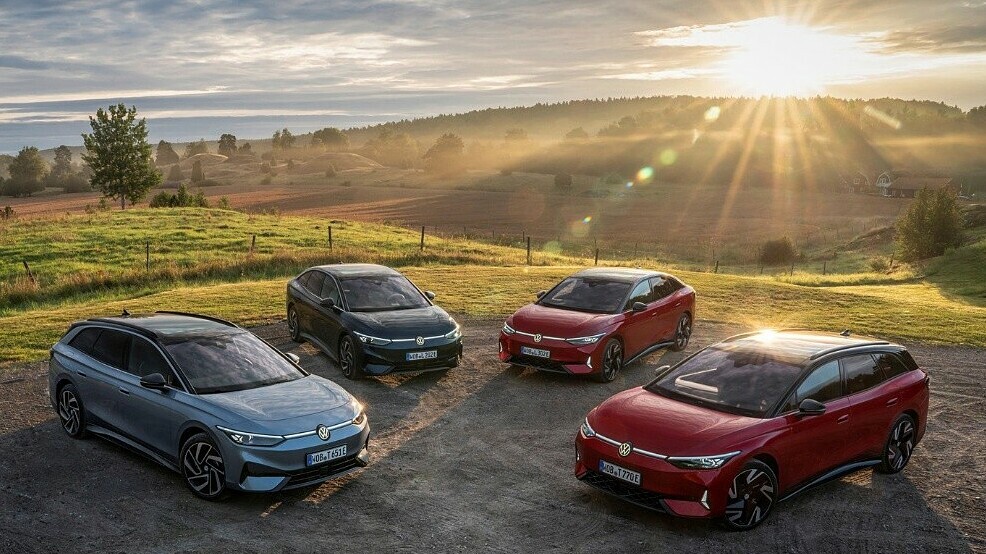
The first product to utilize this cost-efficient and high-tech architecture is the ID. UNYX 08, a flagship electric SUV scheduled for release in 2026. This vehicle will be manufactured at the Hefei plant, which has been designated as Volkswagen’s second-largest R&D and technology hub outside of Germany. By the end of 2026, Volkswagen aims to introduce 13 New Energy Vehicle (NEV) models in China, including BEVs, Plug-in Hybrid Electric Vehicles (PHEVs), and Extended Range Electric Vehicles (EREVs). This number is expected to swell to over 30 models by 2029, creating a massive pool of products that can eventually be exported to emerging markets like Vietnam.
Vietnam: The Rising Star of Southeast Asian Electrification
While the global transition is well underway, Volkswagen is now turning its attention to Vietnam, identifying it as one of the most promising markets for its next phase of electrification. Although the brand is currently in the initial stages of exploration in the country, plans are already in motion to introduce the first premium Volkswagen electric model by the fourth quarter of 2026.
Volkswagen representatives have indicated that Vietnam will be among the first markets outside of China to receive its newest generation of high-end NEV products. This move follows a period of significant success for Volkswagen’s ICE lineup in Vietnam. In 2025, Volkswagen became the most popular German automotive brand in the country, driven by the strong performance of models such as the Teramont, Teramont X, Teramont President, and the Viloran MPV. These vehicles, often imported from China, have established a reputation for luxury, technology, and reliability among Vietnamese consumers.
The decision to bring electric vehicles to Vietnam is backed by compelling market data. Vietnam is currently the fastest-growing market for electrified vehicles in Southeast Asia. In 2025, total sales of hybrid and pure electric vehicles reached 189,987 units, a staggering 96% increase from 2024. This growth rate significantly outperforms regional peers such as Thailand (48%), Malaysia (52%), and Indonesia (70%). The surge is attributed to a combination of increasing environmental awareness among the urban middle class and government incentives, such as the zero-percent registration fee for BEVs.
Strategic Investments and Infrastructure Challenges
Volkswagen’s entry into the Vietnamese EV market is not without its hurdles. The primary challenge remains the development of a comprehensive charging infrastructure. Currently, the charging network in Vietnam is dominated by the local manufacturer VinFast, which has built a widespread system that is largely exclusive to its own vehicles. For Volkswagen to succeed, it will need to invest in its own charging solutions or partner with third-party providers to ensure its customers have reliable access to power.
Furthermore, Volkswagen is undergoing a massive internal restructuring to support this shift. Globally, the company is investing approximately $525 million into modernizing its flagship Wolfsburg plant to transform it into a high-efficiency EV production center. Similar investments in supply chain optimization and production cost reduction are being implemented to ensure that electric vehicles can reach price parity with ICE vehicles in the near future.
In Vietnam, the brand is expected to follow a similar "premium-entry" strategy as it did with its ICE models. By importing high-spec models from its advanced production facilities in China, Volkswagen can offer Vietnamese consumers the latest in EV technology—such as the CEA architecture—without the long lead times associated with European production.
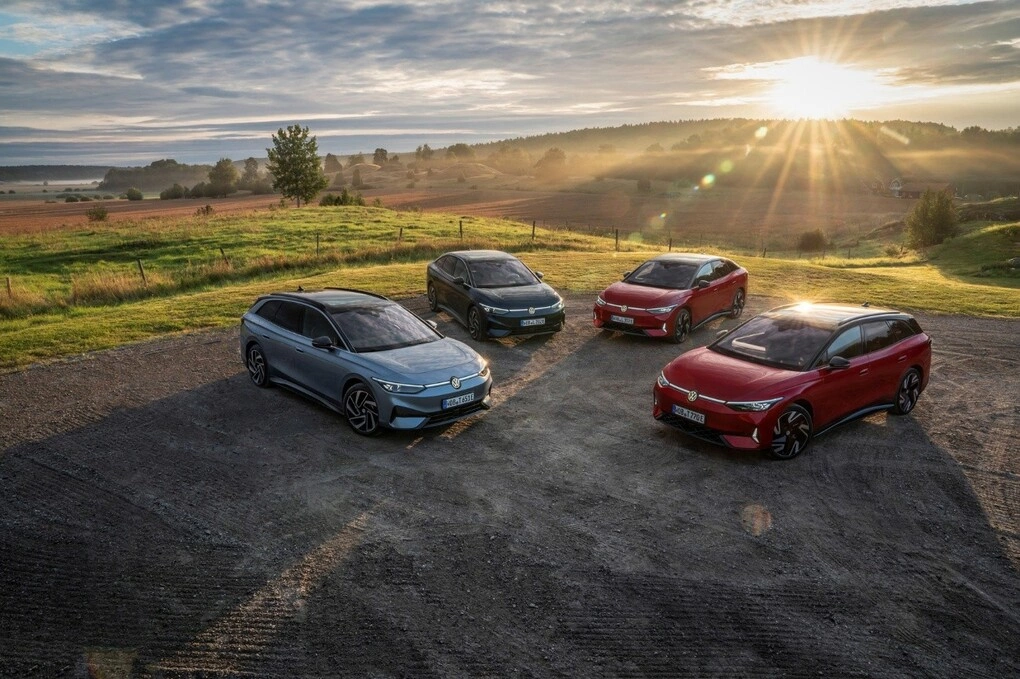
Chronology of Volkswagen’s Electric Evolution
To understand the magnitude of the upcoming launch in Vietnam, it is essential to look at the timeline of Volkswagen’s journey toward carbon neutrality:
- 2013-2014: Launch of the e-up! and e-Golf, signaling the start of commercial electric experiments.
- 2019: Introduction of the ID.3 and the MEB platform, marking the official start of the "ID" era.
- 2021-2023: Expansion of the ID family to include the ID.4, ID.5, and ID.6, with a heavy focus on the European and Chinese markets.
- 2024: Multi-billion dollar investment in Chinese R&D and the announcement of the partnership with Xpeng.
- 2025: Volkswagen achieves record BEV sales of nearly 1 million units globally; Vietnam records a 96% growth in electrified vehicle sales.
- Q4 2026 (Projected): Launch of the first premium Volkswagen electric vehicle in the Vietnamese market.
- 2029: Target for over 30 NEV models in the Asian regional portfolio.
Broader Implications and Market Outlook
The arrival of Volkswagen electric vehicles in Vietnam is expected to trigger a new wave of competition in the premium segment. Currently, the market is divided between the affordable domestic offerings from VinFast and high-end electric luxury cars from brands like Porsche, BMW, and Mercedes-Benz. Volkswagen occupies a unique "upper-mainstream" or "near-luxury" niche, potentially attracting buyers who want German engineering and advanced technology at a more accessible price point than traditional luxury marques.
Market analysts suggest that Volkswagen’s success will depend on how well it adapts its global products to local conditions. Vietnamese consumers prioritize cabin cooling efficiency, software localization, and ground clearance—features that are already strengths of the ID series developed for the Chinese market.
As Volkswagen accelerates its electrification, the move into Vietnam serves as a litmus test for the brand’s ability to compete in emerging markets against both established Western rivals and aggressive Chinese newcomers like BYD. If the brand can replicate its ICE-era success with its new electric portfolio, Vietnam could become a cornerstone of Volkswagen’s broader strategy to dominate the Asian automotive landscape in the post-fossil fuel era.
The transition is more than just a change in drivetrain; it is a commitment to a new ecosystem. For the Vietnamese consumer, the entry of a global giant like Volkswagen means more choice, better technology, and a faster transition toward a cleaner, more sustainable transportation future. While the road ahead is filled with infrastructural challenges, the momentum of the "electric wave" in Vietnam appears unstoppable, and Volkswagen is positioning itself to be at the crest of that wave.