Decoding the 22-Year-Old Mercedes-Benz E240: A Rare Import Listed at 200 Million VND and the Reality of Owning a Vintage Luxury Sedan


The automotive landscape of the early 2000s in Vietnam was a vastly different ecosystem compared to the modern market. During a time when private vehicle ownership was transitioning from a luxury reserved exclusively for the elite to a burgeoning symbol of middle-class aspiration, imported German luxury sedans stood at the pinnacle of prestige. Among the most revered models of that era was the Mercedes-Benz E240, a vehicle that commanded astronomical financial commitment and served as the default transport for high-ranking diplomats, corporate executives, and government agencies.
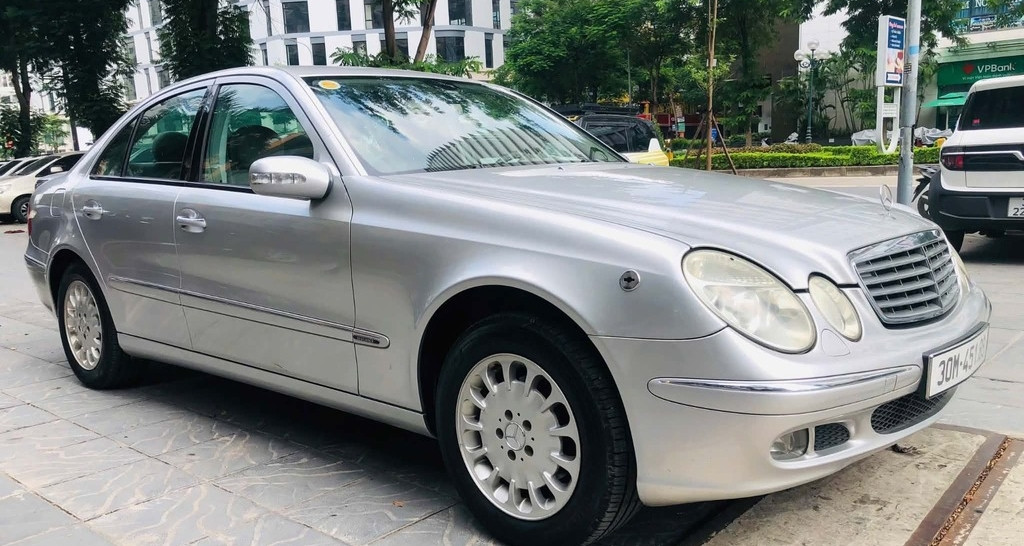
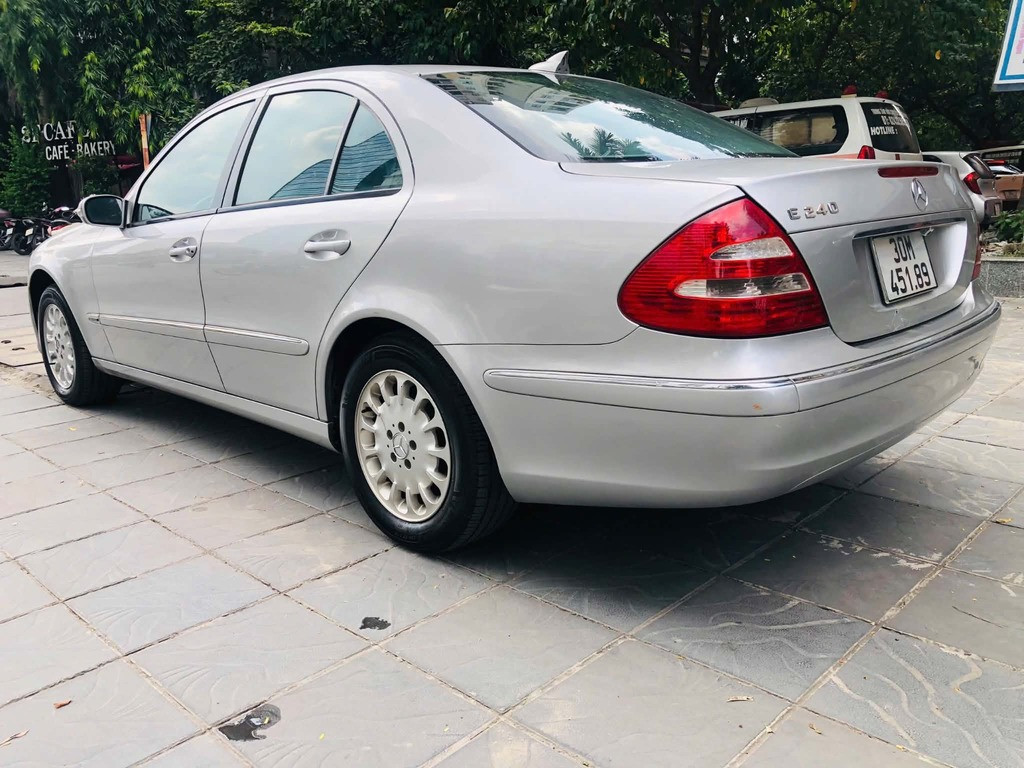
Fast forward more than two decades, and the depreciation curve of luxury automobiles has taken its inevitable toll. A model that once commanded a staggering price tag upwards of 115,000 USD—roughly equivalent to 1.8 billion Vietnamese Dong according to the currency valuation of 2004—can now be acquired for a fraction of its original cost. Recently, a 2004 Mercedes-Benz E240, finished in classic silver and boasting a unique institutional provenance, was listed for sale in Hanoi by automotive enthusiast Nguyen Hoai Son for just 200 million VND.
While such aged luxury vehicles are no longer mainstream choices for everyday commuters seeking turnkey reliability, they continue to command a dedicated following among classic car enthusiasts, collectors, and mechanics drawn to the unmistakable engineering, iconic styling, and mechanical architecture characteristic of Mercedes-Benz’s golden era of manufacturing.
A Storied Lineage and Institutional Provenance
The specific vehicle brought to market by Mr. Son carries a distinct historical footprint that separates it from standard privately owned examples of the same vintage. According to the seller, this particular Mercedes-Benz E240 is a former state liquidation vehicle, originally imported directly from Germany to serve within the diplomatic fleet of an embassy.
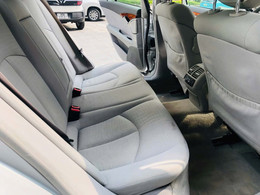
Vehicles assigned to diplomatic and government duties typically undergo a strict maintenance regimen dictated by institutional protocols rather than individual financial constraints. Mr. Son notes that the car received periodic upkeep and scheduled servicing throughout its active service life, which has contributed to the preservation of its structural integrity. The interior trim, body panels, and structural framework are reported to be free of major structural compromises, while the engine remains factory-original. In preparation for the sale, the E240 was fitted with a brand-new set of Michelin tires and is accompanied by two original keys.
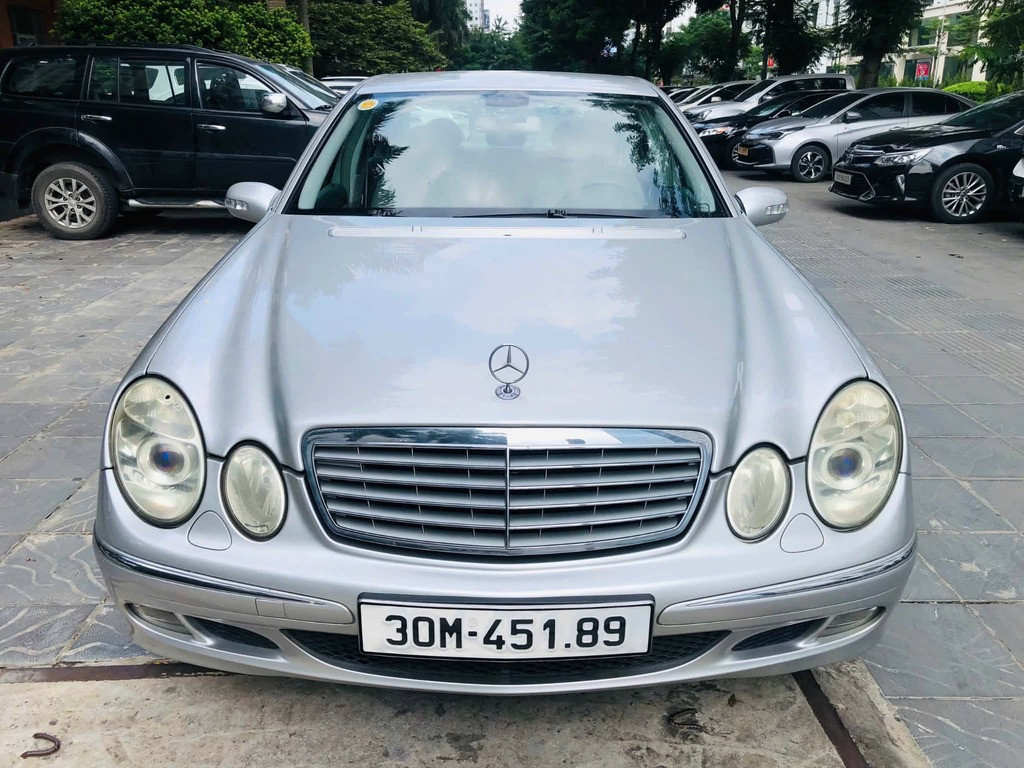
"The car has a background of serving within a state agency, with regular and strict maintenance, so its overall condition remains very good, and the engine runs smooth and solid," Mr. Son shared regarding the vehicle’s mechanical health.
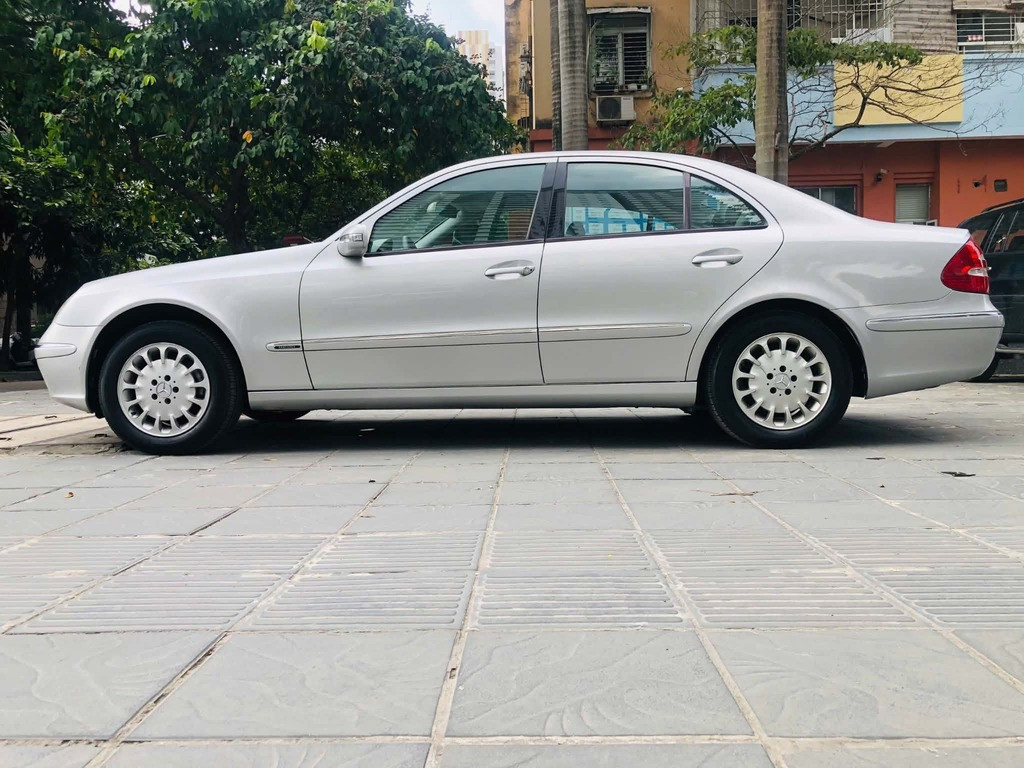
Despite its 22-year lifespan, the sedan retains the polished exterior brilliance and distinct styling language of the third-generation E-Class, internally designated by Mercedes-Benz as the W211. Spanning 4,818 mm in length, 1,822 mm in width, and 1,695 mm in height, the W211 design introduced a more dynamic yet dignified silhouette compared to its predecessor, the W210. The front fascia remains instantly recognizable by its signature quad-headlight arrangement—a defining aesthetic hallmark of the era—which utilizes Bi-Xenon technology for primary illumination, complemented by supplementary halogen units.
Interior Craftsmanship and Period-Correct Luxury
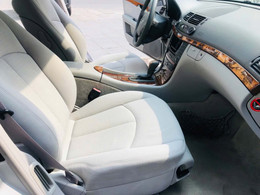
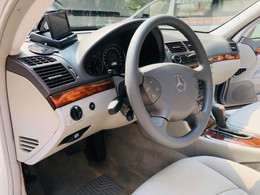
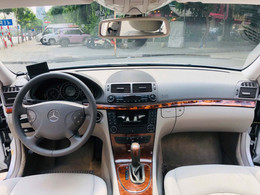
Stepping inside the cabin of the 2004 Mercedes-Benz E240 reveals a level of appointment and material quality that was considered ultra-luxury two decades ago and still holds a baseline of elegance today. The vehicle is fitted with premium leather upholstery that has aged gracefully under proper care, contrasted by genuine wood grain accents across the dashboard and center console.
At the time of its release, the W211 generation introduced advanced technological conveniences that rivaled or exceeded standard features found in many economy cars produced years later. The front seats feature multi-way power adjustability, allowing occupants to tailor their driving position with precision. Furthermore, the vehicle is equipped with a speed-sensitive power-assisted steering wheel wrapped in leather, embedded with quick-control buttons that minimize driver distraction. Additional interior amenities include power-operated exterior mirrors with folding functionality, and four power windows equipped with one-touch automatic operation.
Safety was another pillar upon which Mercedes-Benz built its reputation during the early 2000s, and the E240 reflects this engineering philosophy. The sedan is outfitted with a comprehensive safety suite comprising six airbags, an Anti-lock Braking System (ABS), Brake Assist (BA) for emergency stopping power, and the Electronic Stability Program (ESP). These active and passive safety features were groundbreaking at the time, particularly given that many mass-market automobiles of the same period lacked even basic ABS configurations as standard equipment.
Powertrain Performance and Engineering Dynamics
Beneath the sculpted hood of the 2004 Mercedes-Benz E240 lies a smooth-running naturally aspirated 2.6-liter V6 gasoline engine. This powerplant was engineered to deliver refined power delivery rather than aggressive track performance, generating a maximum output of 177 horsepower and a peak torque of 240 Nm. Power is transmitted to the rear wheels via a 5-speed automatic transmission, a gearbox renowned for its durability and seamless shift characteristics.
According to factory specifications, the E240 is capable of accelerating from 0 to 100 km/h in approximately 9.4 seconds, pushing onward to a top speed of 236 km/h. While these figures may be easily surpassed by modern turbocharged four-cylinder compact cars, the true charm of the V6 layout lies in its linear power band, exceptional motorway cruising stability, and subdued cabin noise insulation—traits that define the traditional "autobahn cruiser" character of executive German sedans.
The Financial Realities and Hidden Costs of Classic Luxury Ownership
Purchasing a luxury vehicle with a 200-million-VND price tag presents an enticing proposition for budget-conscious motorists dreaming of European prestige, but industry experts emphasize that the initial acquisition cost is only the entry ticket. Owning an aging luxury car requires a clear-eyed assessment of ongoing maintenance liabilities and operational overhead.
Because the vehicle has accumulated over two decades of wear, components such as rubber bushings, air suspension components, electrical wiring harnesses, and cooling system hoses are susceptible to degradation. Consequently, maintenance and repair outlays for an older Mercedes-Benz can significantly exceed those of a mainstream economy car of similar market value.
Compounding these ownership considerations are regulatory factors. With the vehicle having crossed the 20-year threshold, mandatory vehicle inspection cycles in Vietnam require more frequent evaluations, and the current registration period for this specific unit stands at just six months remaining. This short inspection window can introduce immediate administrative hurdles and additional expenses for the new owner shortly after purchase.
Expert Recommendations for Prospective Buyers
For buyers lacking specialized knowledge of legacy Mercedes-Benz platforms, diving into the classic car market without professional guidance can lead to unexpected financial burdens. Automotive technicians and pre-purchase inspection specialists universally advise prospective buyers to transport prospective vintage acquisitions to dedicated European car service centers before finalizing any financial transactions.
A thorough pre-purchase inspection should focus on several critical diagnostic areas:
- Accident and Structural History: Inspecting frame rails, pillar alignments, and body panel gaps to ensure the vehicle has not suffered major structural trauma.
- Chassis and Suspension Integrity: Assessing the condition of control arms, shock absorbers, steering racks, and bushings for excessive play or fluid leaks.
- Engine and Transmission Health: Checking for oil leaks from valve cover gaskets, monitoring operating temperatures, and evaluating transmission shift smoothness under various loads.
- Flood Damage Identification: Inspecting carpeting, lower dashboard wiring, seat mounting brackets, and fuse boxes for signs of mud, rust, or lingering moisture indicative of submersion.
Ultimately, while the 2004 Mercedes-Benz E240 represents an accessible gateway to executive motoring heritage, it remains a machine designed for enthusiasts who possess both the financial flexibility to absorb periodic maintenance costs and the passion to preserve a fading chapter of automotive history.
Related posts: