Turning adversity into triumph: The journey of a Can Tho entrepreneur in the world of high-value aquaculture

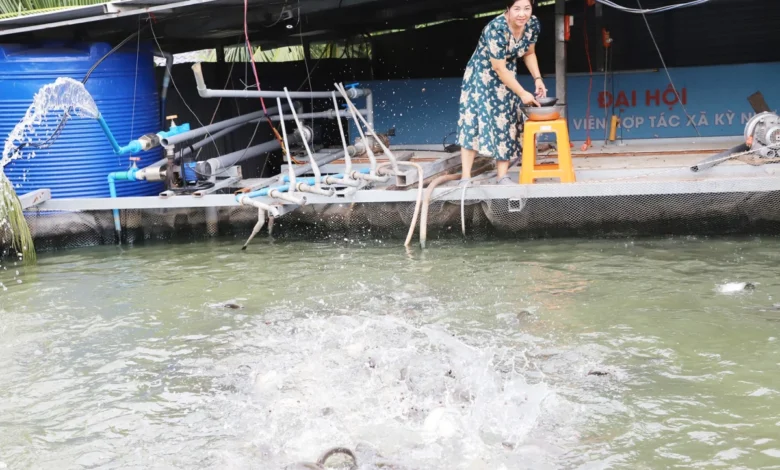
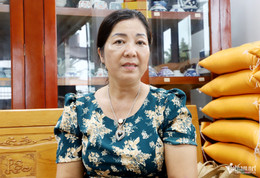
Nguyen Kim Thuy, a 52-year-old resident of Thanh Hoa Commune, Can Tho City, stands as a testament to the resilience of the Vietnamese agricultural sector. Her career, spanning over three decades, illustrates a complex evolution from a small-scale fish farmer to a pioneering business owner who has successfully navigated the volatile markets of the Mekong Delta. By transforming her family’s humble agricultural roots into a modern, cooperative-led enterprise, Thuy has not only secured her own economic future but has also established a sustainable model for local fish processing and branding.
The early years: Foundation and initial struggles
Born into a large farming family, Nguyen Kim Thuy’s journey began in 1993, just one year after she established her own household. Lacking initial capital, she and her husband were forced to borrow 2.5 million VND from her husband’s uncle to start a modest catfish farming operation. Despite the financial constraints, the venture showed early promise; after three months of dedicated effort, the first harvest generated 6 million VND. While this profit was relatively small, it provided the essential seed money for subsequent production cycles.
However, the path to commercial success was rarely linear. Emboldened by early success, Thuy made a significant investment to scale her operations. She consolidated her family savings, borrowed from relatives, and secured a bank loan exceeding 500 million VND to expand her ponds. Utilizing ancestral land, she and her husband manually excavated the ponds, a grueling process that took months compared to the rapid, mechanical excavation common in modern industrial farming. This period served as a formative lesson in both the physical demands of agriculture and the volatility of market prices.
Market volatility and the pivot to value-added processing
The aquaculture industry in the Mekong Delta is famously susceptible to "boom and bust" cycles. In the mid-2010s, Thuy faced a critical juncture when fish diseases decimated her stock, pushing her family to the brink of financial collapse. At the same time, her inability to secure further credit from banks left her family struggling to manage their existing debts.
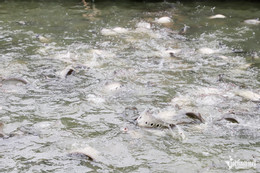
Rather than succumbing to the pressure, Thuy shifted her focus. She recognized that selling raw fish exposed farmers to the mercy of fluctuating commodity prices and middle-man margins. In 2014, she and her husband attempted to enter the fish trading business in Binh Dien (Ho Chi Minh City). The initial attempt resulted in a loss of approximately 200 million VND due to inexperience. However, this failure provided the necessary market intelligence to transition exclusively into the procurement and processing of featherback fish (ca that lat), a species with high culinary value in Vietnam.
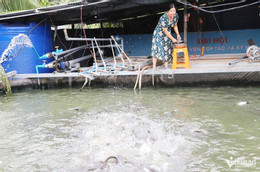
By 2015, observing the distress of local farmers facing unstable output prices, Thuy realized that the only way to insulate the business from market shocks was to engage in deep processing. She began experimenting with value-added products, using her own small eatery as a testing ground to gauge consumer preferences. Her customers’ feedback—ranging from requests for boneless fillets to specific seasoning profiles—became the blueprint for her product development strategy.
Building a brand: From local eatery to OCOP excellence
Thuy’s approach was defined by a commitment to formalizing her products. In 2015, she registered the exclusive trademark "Ky Nhu" for her featherback fish products. Her focus on "deboned" fish was a direct response to the needs of elderly consumers and children, who often found traditional fish dishes difficult to consume.
By 2019, she founded a cooperative (HTX) to formalize the supply chain. Starting with 11 founding members, the cooperative has grown to include 56 members, managing approximately 17 hectares of farming area. This cooperative model allows for the synchronization of farming techniques and guarantees the purchase of products at prices consistently 2,000 to 10,000 VND per kilogram above the standard market rate.
The success of this strategy is evident in the cooperative’s current portfolio. As of 2026, the cooperative boasts 11 products recognized under the One Commune, One Product (OCOP) program, including 10 products rated at four stars and one product—the deboned seasoned featherback fish—achieving the prestigious five-star national standard. These products are now distributed through major supermarket chains and have even found their way into export markets such as the United States and South Korea. The business generates an annual revenue of approximately 28 billion VND, with a profit margin in the billions.
Technological integration and future innovations
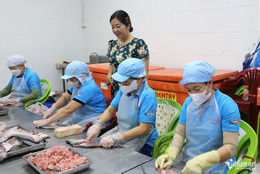
A core pillar of Thuy’s recent success is her commitment to modernizing the production facility. Despite the artisanal roots of her recipes, she has invested heavily in industrial equipment for filleting, seasoning, vacuum sealing, and rapid freezing. The facility now adheres to international standards, including ISO 22000:2018, HACCP, and VietGAP.
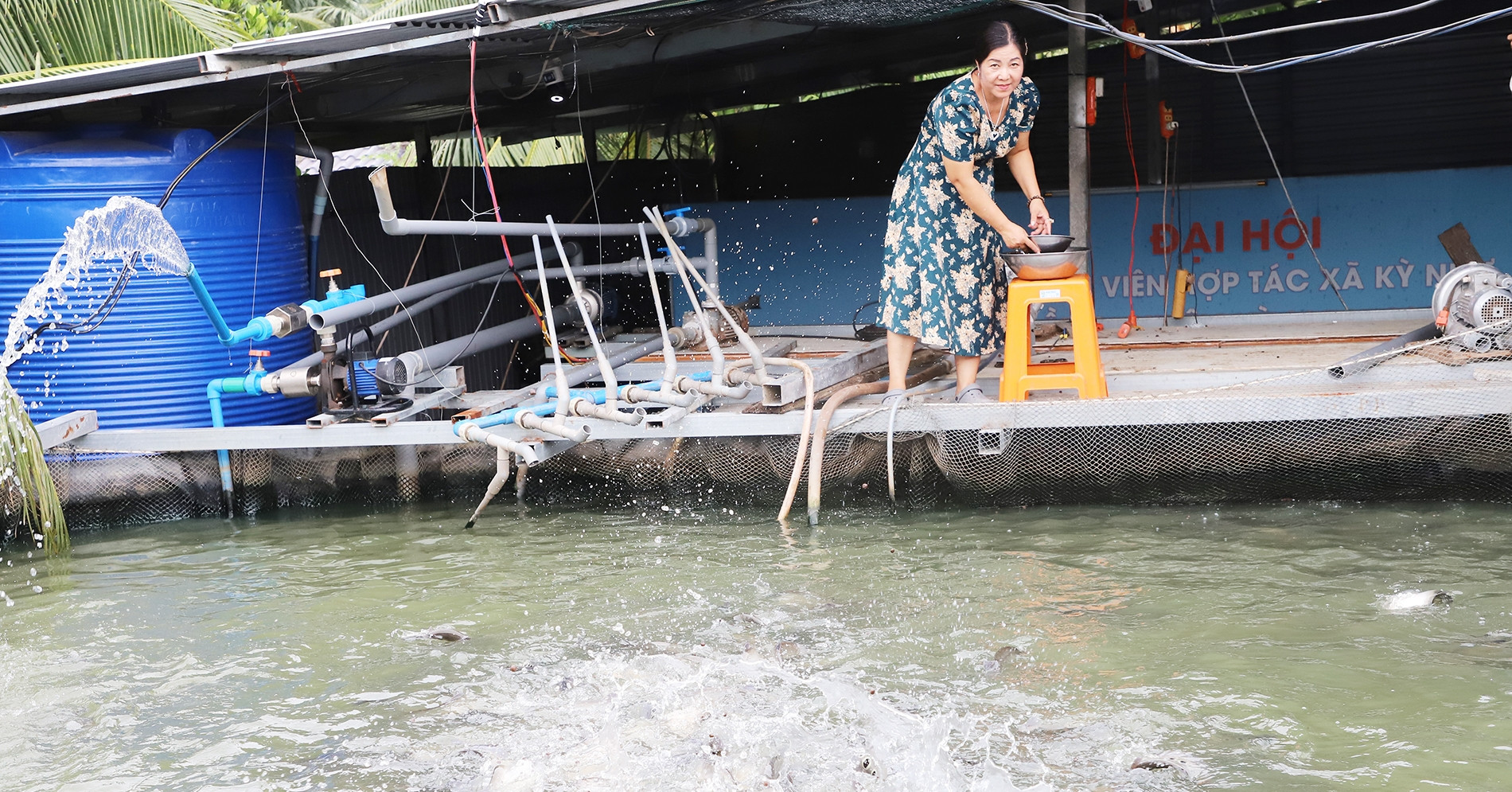
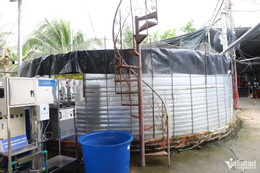
In early 2026, Thuy launched a new experimental model: farming featherback fish on floating tanks equipped with advanced filtration and water treatment systems. Each tank is capable of producing 5.5 tons of fish. According to Thuy, this model offers several strategic advantages:
- Water Quality Control: Floating tanks allow for precise monitoring of the aquatic environment, which is crucial for disease prevention.
- Scalability: The model is highly suitable for households with limited land, providing a viable pathway for others in the region to improve their livelihoods.
- Environmental Stewardship: Integrated water treatment systems significantly reduce the impact of waste on the local ecosystem.
Analysis of impact and industry implications
The evolution of Thuy’s business highlights a critical trend in Vietnam’s agricultural sector: the shift from volume-based production to value-added branding. By integrating the entire chain—from breeding and farming to processing and distribution—Thuy has minimized the risks typically associated with aquaculture.
Industry experts note that the cooperative model is essential for smallholder farmers in the Mekong Delta. Without the collective bargaining power and centralized processing facilities provided by such cooperatives, individual farmers remain highly vulnerable to price manipulation and climate-related production losses. Thuy’s ability to secure a five-star OCOP certification for a processed fish product demonstrates that there is a significant market for high-quality, convenience-oriented Vietnamese agricultural products, both domestically and abroad.
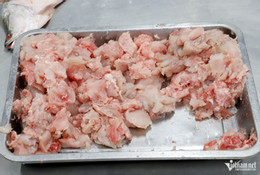
Furthermore, Thuy’s decision to retain manual labor for specific tasks like deboning—while using machines for cleaning and packaging—serves as a model for "inclusive automation." It ensures that the cooperative maintains its commitment to local employment, particularly for women in the commune, while simultaneously meeting the rigorous food safety standards required for international export.
Conclusion
Looking back at over two decades of entrepreneurship, Nguyen Kim Thuy characterizes her past failures not as setbacks, but as essential components of her professional development. Her journey from borrowing 2.5 million VND to managing a multi-billion VND cooperative reflects a broader shift in the Mekong Delta’s rural economy. In 2023, her contributions were formally recognized when she received a Certificate of Merit from the Prime Minister of Vietnam. As she continues to innovate with new farming technologies, Thuy’s story remains a blueprint for how dedication, market adaptability, and cooperative structures can transform agricultural challenges into long-term prosperity.