Thousands of Volunteers and Corporations Unite Across Vietnam for World Cleanup Day 2026 to Combat Plastic Pollution and Promote Circular Economies

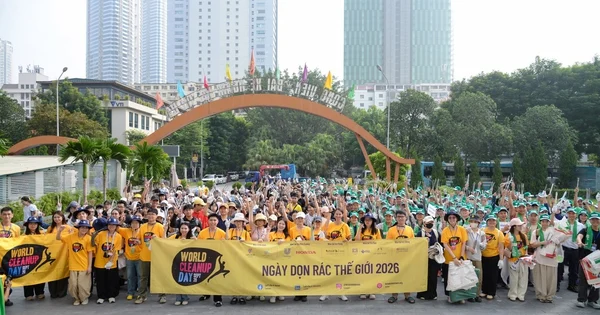
The nationwide campaign for World Cleanup Day 2026 officially launched on the morning of September 20, drawing the enthusiastic participation of tens of thousands of volunteers, corporate leaders, students, and international diplomats across Vietnam. Serving as a powerful reminder of the urgent need for environmental stewardship, the initiative transcended a traditional community cleanup, positioning itself as a strategic movement to reshape consumer habits, tackle plastic pollution at its root, and accelerate the transition toward sustainable urban development.
A Nationwide Mobilization for a Waste-Free Future
Co-organized by Let’s Do It Vietnam, the Vietnam National University Ho Chi Minh City Urban Area, and a coalition of environmentally committed corporations, World Cleanup Day 2026 witnessed synchronized actions in major hubs like Ho Chi Minh City and Hanoi, alongside widespread mobilization in provinces such as Hai Phong, Da Nang, Quang Ngai, Quang Tri, Lam Dong, and Can Tho. In total, nearly 10,000 volunteers across 22 provinces and cities took to the streets, parks, and public spaces to collect, sort, and process discarded materials.
This year’s campaign placed a distinct emphasis on collaboration between the private sector and civil society. Key corporate partners—including Honda Vietnam, Unilever Vietnam, Easia Travel, Hirdaramani Vietnam – FGL, and the Hilton Garden Inn Hanoi—pledged their long-term commitment to sustainable business models. Rather than merely picking up trash, participants were guided through direct source-separation protocols designed to reintegrate waste into a closed-loop economic cycle.
Shifting Mindsets: From Trash to Resource
Addressing the crowd at the central launch event, national coordinators from Let’s Do It Vietnam underscored that plastic waste is not merely an ecological threat to fragile ecosystems, but a visible symptom of unsustainable consumption patterns deeply ingrained in modern society.
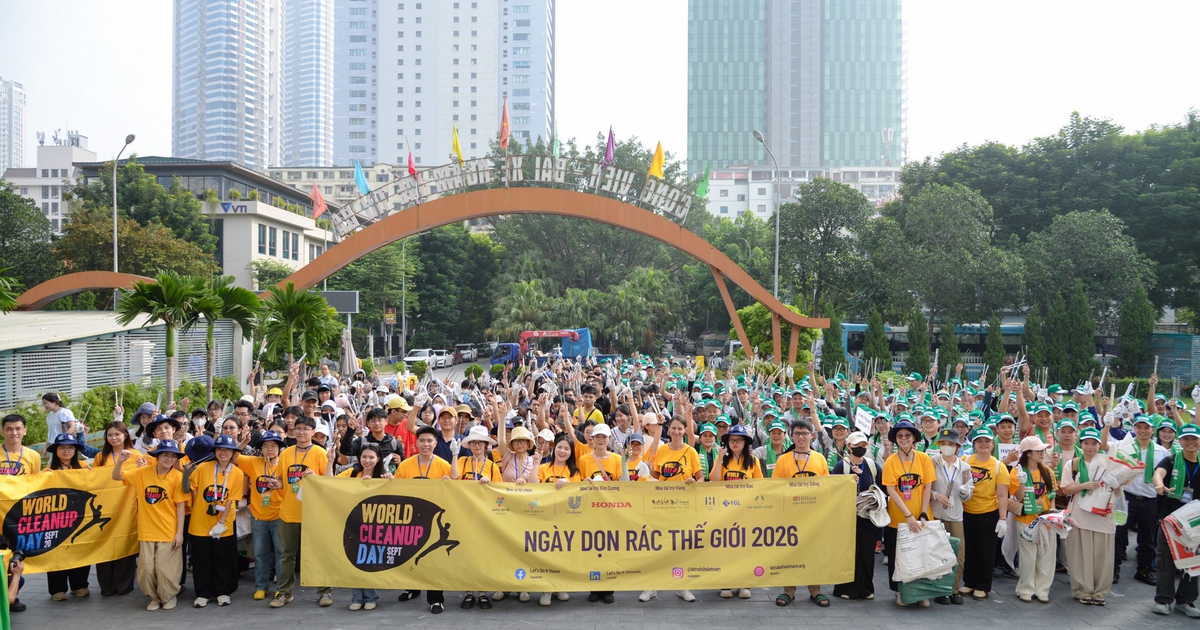
"The campaign goes far beyond the physical act of picking up litter; it targets a fundamental shift in mindset: intercepting waste right at the source and treating discarded materials as valuable resources that must be returned to the circular economy," a representative from the organizing committee stated. "Every small action taken by individuals today lays the groundwork for creating low-plastic urban centers in the future."
Through synchronized waste collection and immediate sorting drives, the campaign actively urged communities to drastically curtail their reliance on single-use plastics, enhance local recycling rates, and practice efficient resource management. Organizers noted that public engagement in hands-on waste auditing helps citizens visualize the sheer volume of daily waste they generate, fostering long-term behavioral changes that persist long after the official campaign day concludes.
International Solidarity and Diplomatic Engagement
The global significance of the initiative was highlighted by the active participation of international representatives in Vietnam. Among them was Siisi Saetalu, diplomatic representative of Estonia in Vietnam, who underscored the universal nature of environmental responsibility.
"World Cleanup Day is not just about going out to pick up trash; it is a story about every individual waking up to take responsibility for the very place they inhabit," Ms. Saetalu remarked during the Hanoi event at the My Tri Thu underground parking park area along Pham Hung Street, Nam Tu Liem District. "No matter how far the geographical distance is between Hanoi and Tallinn, or between Vietnam and Estonia, we share a common goal. The act of an individual picking up a small piece of trash may seem humble, but when witnessed by others, it inspires collective action and continues to spread motivation to those around us."
Her remarks resonated with the broader international framework of World Cleanup Day, which unites millions of citizens across more 190 countries annually to tackle the global waste crisis through localized action.

Corporate Leadership in Environmental Stewardship
The active presence of multinational and domestic corporations marked a significant evolution in corporate social responsibility (CSR) within Vietnam. Major industrial players utilized the platform not only to deploy employee volunteer teams but also to showcase internal corporate transformations aimed at minimizing operational waste and redesigning product packaging.
Executives from Honda Vietnam and Unilever Vietnam addressed the volunteers, highlighting the critical role that large-scale enterprises play in spearheading green transitions. Unilever Vietnam, a recurring partner in national sustainability initiatives, emphasized that extended producer responsibility (EPR) must go hand-in-hand with consumer education. By supporting grassroots cleanup frameworks, corporate partners help bridge the gap between industrial policy and community-level execution.
In urban centers like Ho Chi Minh City and Hanoi, corporate volunteers worked side-by-side with university students from Vietnam National University and local residents. Teams focused heavily on neglected public spaces, riverbanks, and transit hubs where single-use plastics tend to accumulate in high volumes.
The Economic and Environmental Imperative of Circular Cities
Urban planners and environmental analysts monitoring World Cleanup Day 2026 point out that Vietnam’s rapid urbanization and economic growth have outpaced municipal waste management infrastructures, making community-led initiatives vital stopgaps. According to recent environmental assessments, millions of metric tons of plastic waste enter the municipal solid waste stream annually in Vietnam, a significant portion of which leaks into river systems and coastal waters.
The emphasis on the circular economy during this year’s campaign addresses this systemic vulnerability. By training volunteers in proper source separation—differentiating between organic waste, recyclable plastics, non-recyclable materials, and hazardous items—the campaign supports ongoing municipal efforts to transition away from traditional landfill-heavy disposal methods toward advanced recycling and energy recovery systems.
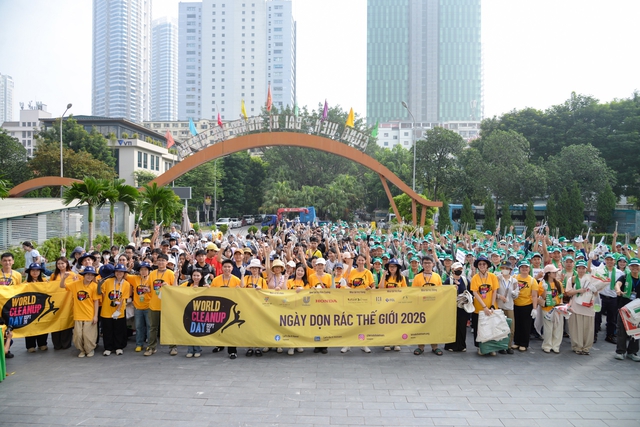
Furthermore, policy experts suggest that grassroots mobilization creates the necessary sociopolitical backing for stricter governmental regulations on single-use plastics and packaging standards. When citizens actively experience the burden of clearing plastic pollution from their neighborhoods, public demand for legislative interventions—such as extended producer responsibility laws and bans on non-biodegradable shopping bags—gains significant momentum.
Looking Ahead: Sustaining the Momentum Beyond 2026
As the dust settled on the nationwide cleanups of September 20, 2026, organizers and local authorities shifted their focus to the long-term legacy of the campaign. Let’s Do It Vietnam announced plans to monitor the collected data, tracking the volume and types of plastic waste retrieved across the 22 participating provinces to provide empirical insights for municipal policymakers.
The ultimate success of World Cleanup Day 2026 will not be measured solely by the tonnage of trash removed from streets and waterways, but by whether the participating communities maintain waste-reduction habits in their daily routines. With nearly 10,000 volunteers and a robust coalition of corporate and international allies leading the charge, Vietnam continues to solidify its commitment toward building resilient, low-plastic, and sustainable urban ecosystems for future generations.
Related posts: