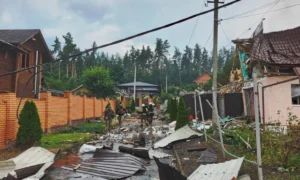
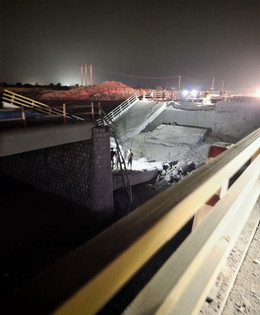
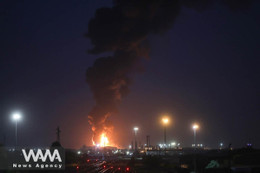
On July 16th, the United States launched a series of airstrikes against Iran for the sixth consecutive day, reportedly hitting at least three oil facilities in the southern province of Iranshahr, causing casualties. This escalation follows President Donald Trump’s earlier indication that a bombing campaign against Iranian nuclear facilities was on the table. The strikes, which began earlier in the week, have significantly heightened tensions in the Persian Gulf, a crucial global energy artery.
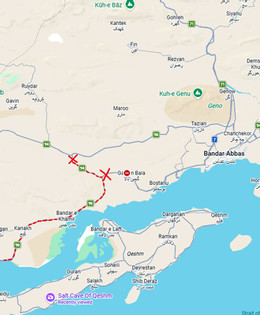
The Iranian Ministry of Petroleum confirmed that the attacks targeted two oil wells located outside Bandar Abbas, disrupting the vital connection between the city and coastal oil facilities in the south of the country. The strikes are seen as a direct challenge to Iran’s oil exports, a cornerstone of its economy.
Tehran has issued stern warnings, indicating that a full-scale conflict would have far-reaching consequences for Washington, should the United States continue its escalation. The recent military actions come after a period of heightened naval activity in the Strait of Hormuz. Earlier, the US had imposed sanctions on several Iranian individuals and entities, and the Pentagon had deployed additional naval assets to the region. In response, Iran had threatened to block the Strait of Hormuz, a move that would severely disrupt global oil supplies. The US Central Command had previously announced that its forces had intercepted an Iranian drone attempting to approach a US naval vessel in the waters near the Strait.
Iran Urges Public to Conserve Energy Following US Strikes
In the wake of the sustained US airstrikes, Iran’s Ministry of Energy issued an appeal on July 17th urging citizens to limit their use of air conditioning during peak hours. This call for energy conservation aims to ensure a stable power supply to the southern regions, which are currently experiencing intense heatwaves and facing potential electricity shortages. The country is grappling with the aftermath of six consecutive days of US military action targeting its energy infrastructure.
Iranian officials have condemned the US strikes on its oil facilities, characterizing them as violations of international law and a move that could lead to a full-blown war. However, the US Central Command stated that the airstrikes were precise and targeted, designed to degrade Iran’s military capabilities and compel Tehran to cease its destabilizing activities in the region. The US military’s stated objective is to prevent Iran from acquiring nuclear weapons and to counter its alleged support for terrorist organizations.
The recent escalation has drawn international concern, with several European nations calling for de-escalation and a return to diplomatic channels. The United Nations has also expressed its apprehension, urging all parties to exercise restraint and avoid actions that could further destabilize the already volatile region. The ongoing conflict is also impacting regional allies, with reports of increased security measures being implemented in neighboring countries like Saudi Arabia and the United Arab Emirates.
Background and Context of the Escalation
The current confrontation between the United States and Iran is the latest chapter in a decades-long adversarial relationship, significantly intensified following the Trump administration’s withdrawal from the Joint Comprehensive Plan of Action (JCPOA), commonly known as the Iran nuclear deal, in 2018. The US reimposed stringent sanctions on Iran, targeting its oil sector, financial institutions, and other key industries, aiming to cripple its economy and force it to negotiate a new, more comprehensive agreement.
Iran, in turn, has responded by gradually increasing its uranium enrichment activities, exceeding the limits set by the JCPOA. The Islamic Revolutionary Guard Corps (IRGC) has been a key player in Iran’s regional policies, often clashing with US interests and its allies in the Middle East. Incidents such as the downing of a US drone over Iranian airspace in June 2019 and attacks on oil tankers in the Persian Gulf have further fueled the tensions.
The Strait of Hormuz, a narrow waterway through which approximately 20% of the world’s oil passes, has become a focal point of the conflict. Iran has repeatedly warned that it could close the strait if its oil exports are completely blocked by US sanctions. The US has responded by increasing its naval presence in the region, conducting joint military exercises with its allies, and vowing to keep the strait open.
The current wave of US strikes, described as targeting oil infrastructure, represents a significant shift in the US strategy, moving from sanctions and naval deterrence to direct kinetic action against Iran’s economic assets. This escalation carries the risk of a wider regional conflict, drawing in other regional powers and potentially impacting global energy markets and international security.
China Denies Involvement Amidst US Election Interference Allegations
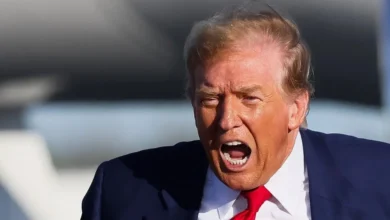
In a separate but related development, China’s embassy in Washington has refuted allegations made by US President Donald Trump concerning Beijing’s interference in the US electoral process. The embassy stated that China adheres to the principle of non-interference in the internal affairs of other countries, asserting that all elections are determined by the American people. Beijing has consistently maintained that foreign policy decisions are the prerogative of the people of a nation and has called for respect for national sovereignty.
The release of declassified US intelligence documents has fueled these accusations. However, the documents reportedly do not provide concrete evidence of any foreign power directly influencing election outcomes. Analysts suggest that President Trump’s public statements may be aimed at bolstering his political standing domestically by identifying external adversaries. The ongoing trade dispute between the US and China, coupled with geopolitical tensions, creates a complex backdrop for these allegations.
The US intelligence community has previously concluded that Russian interference in the 2016 US presidential election was significant. However, the current allegations against China, as voiced by President Trump, have not been substantiated by the declassified documents, according to reports. The statements from the Chinese embassy underscore the country’s firm stance against foreign interference and highlight the ongoing diplomatic complexities between the two global powers. The implications of these accusations could further strain US-China relations, potentially impacting global trade and security dialogues.
Broader Implications and Regional Dynamics
The ongoing military engagement between the US and Iran has profound implications for regional stability and the global economy. The Strait of Hormuz remains a critical chokepoint for global energy supplies, and any disruption could lead to significant price hikes and shortages worldwide. The potential for a wider conflict could draw in other regional actors, such as Saudi Arabia and the United Arab Emirates, who are key US allies and have their own complex relationships with Iran.
The international community is closely monitoring the situation, with calls for restraint and de-escalation from major global powers. The United Nations has reiterated its commitment to diplomatic solutions and has offered its good offices to facilitate dialogue between the two nations. The European Union has also expressed its concern, urging both sides to avoid further escalation and to engage in constructive diplomacy.
The economic impact of sustained conflict in the region cannot be overstated. Oil prices, already volatile, could surge dramatically, impacting inflation and economic growth globally. Furthermore, the humanitarian consequences of any escalation could be severe, with a significant risk of civilian casualties and displacement.
The US strategy of imposing maximum pressure on Iran through sanctions and military deterrence has been met with steadfast resistance from Tehran. Iran, under its current leadership, has demonstrated a willingness to challenge US dominance in the region, often through asymmetric warfare and proxy groups. The effectiveness of US policy in achieving its stated objectives remains a subject of debate among foreign policy experts.
The future trajectory of the US-Iran relationship hinges on the willingness of both sides to engage in meaningful dialogue and to find diplomatic solutions to their grievances. The current path of escalation, marked by direct military action, carries substantial risks and could lead to unforeseen consequences for regional and global security. The world watches with apprehension as the standoff continues to unfold.