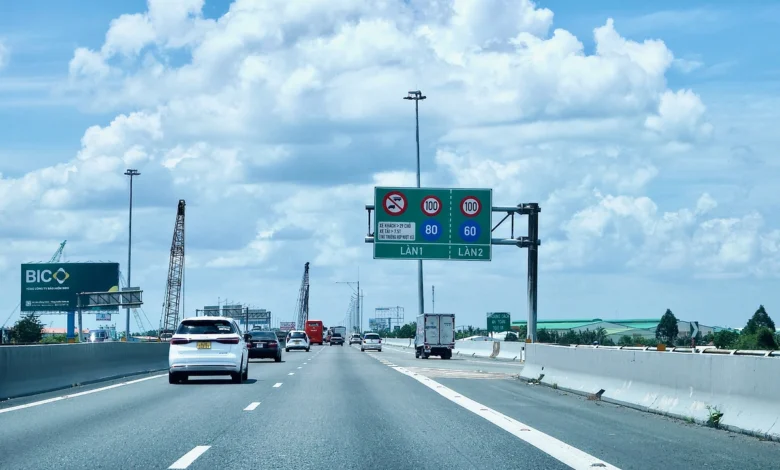
The art of merging onto a roadway is one of the most fundamental yet misunderstood maneuvers in modern driving. While it may seem like a routine task performed thousands of times over a motorist’s driving lifetime, the physics and psychology of merging change drastically depending on the environment. Traffic safety experts and highway authorities emphasize a critical distinction that many drivers overlook: while entering city streets often requires slowing down to carefully evaluate dense, chaotic environments, entering a high-speed motorway demands the exact opposite—accelerating to match the flow of traffic. Applying the wrong technique in the wrong setting can disrupt traffic patterns, force emergency braking, and lead to catastrophic collisions.
Understanding the underlying mechanics of lane-merging requires a thorough examination of both urban street networks and controlled-access highways. Each environment presents distinct spatial challenges, vehicle dynamics, and risk factors that dictate how a driver must interact with surrounding traffic.
Urban Streets: Slow Down to Control and Assess
In dense urban environments, the dynamic between a merging vehicle and main-road traffic is heavily influenced by lower speed limits, frequent intersections, and a high concentration of vulnerable road users. When transitioning from a side street onto a main thoroughfare in a city, motorists are rarely greeted by an empty lane or a dedicated acceleration ramp. Instead, they often contend with motorcycles weaving tightly along the curb, delivery trucks slowing down or stopping unexpectedly, and pedestrians stepping off sidewalks.
Under these conditions, reducing speed—or occasionally coming to a complete stop before the merge point—is not only acceptable but often necessary. This deceleration grants the driver vital seconds to scan rearview and side mirrors, check blind spots, and accurately judge the available gaps in slow-moving traffic.
When approaching the merge point on city streets, drivers should activate their turn signal early, check for a suitable gap, and adjust their speed incrementally to blend into the stream of vehicles at a gentle pace. If traffic on the main road is heavily congested and gaps are tight, drivers must avoid aggressively forcing their way into the lane. Instead, patience is paramount; waiting for a manageable gap ensures that the merge happens without forcing surrounding motorists to slam on their brakes.
However, transportation psychologists note that drivers who rely exclusively on this urban habit—slowing down first and waiting for a large gap before moving—and attempt to apply it on high-speed expressways often create severe traffic bottlenecks and dangerous velocity differentials.
Controlled-Access Highways: The Imperative of Acceleration
The physics of highway driving leave little room for error when it comes to speed management. A vehicle entering a motorway at a sluggish 50 to 60 kilometers per hour while the main flow of traffic is traveling at 100 kilometers per hour creates an immediate and severe hazard. If the merging driver maintains a low speed while searching for a gap, vehicles already established on the highway are forced to execute emergency braking or perform sudden lane changes to avoid a rear-end collision.
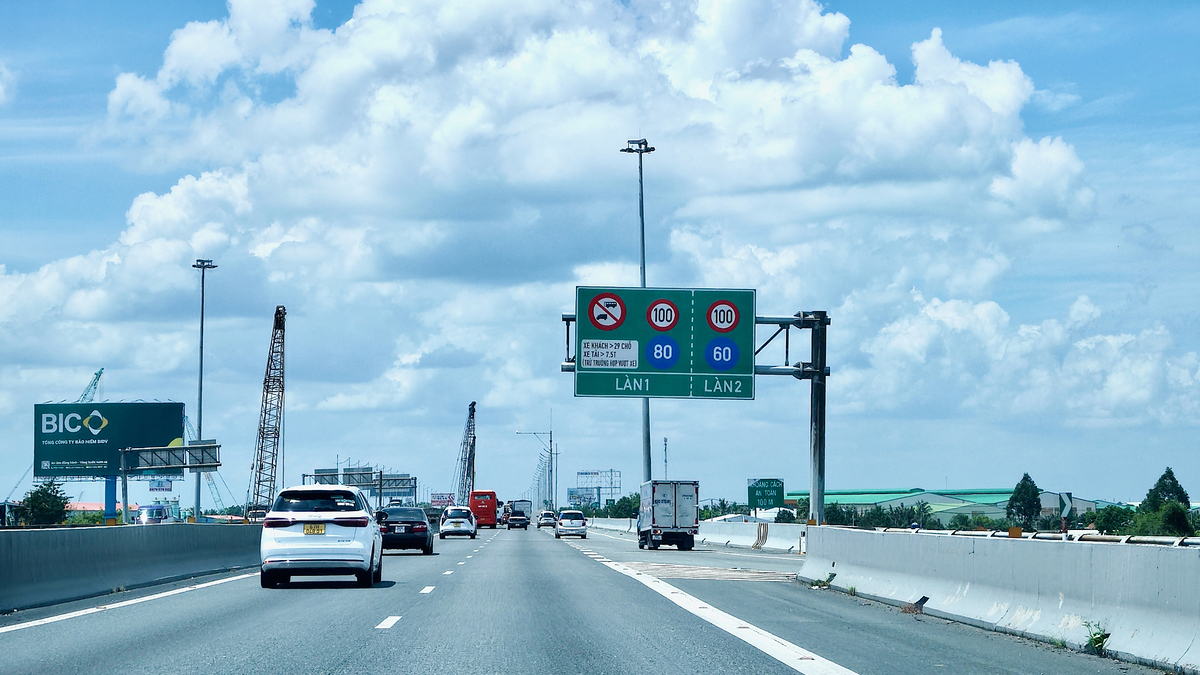
To mitigate this risk, highway design incorporates deceleration and acceleration lanes—commonly known as slip roads or merge ramps. These stretches of pavement are specifically engineered to give motorists the physical space and time needed to ramp up their vehicle’s velocity, bringing it in line with the speed of the main traffic stream before the physical merge takes place. The primary objective is not merely to drive faster, but to eliminate velocity differentials, allowing for a seamless integration that creates zero kinetic disruption.
This process must begin early. As a driver navigates the curved approach of an on-ramp, they should immediately begin scanning their mirrors, identifying the position and speed of vehicles occupying the target lane, and activating their directional signal. Once a suitable gap is identified, the driver must modulate the accelerator to match that vehicle cluster’s speed while still on the ramp, rather than merging first and attempting to accelerate afterward.
Crucially, accelerating to merge does not mean blindly hurtling into a gap regardless of traffic conditions. If a fast-moving vehicle is occupying the intended space, the merging driver must adjust their throttle, drop back, and target a different gap further along the lane. Forcing a vehicle into a tight space through sheer intimidation compromises highway safety for all road users.
The Misconception of the Turn Signal
A persistent misconception among motorists is that activating a turn signal functions as a legal command granting the right of way, obligating other drivers to yield or move aside immediately. In reality, traffic regulations universally define a turn signal strictly as an indicator of intent—a warning light designed to alert surrounding drivers that a lateral movement is being contemplated.
The responsibility of executing the maneuver safely remains squarely on the shoulders of the merging driver. Even with the signal blinking, the motorist must verify mirror visibility, clear any remaining blind spots, and continuously monitor relative distances and speeds.
Conversely, drivers already established on the main lane of a highway share a reciprocal responsibility. When approaching an active merge point, main-lane motorists should maintain situational awareness. If traffic conditions permit, courteous and defensive driving practices dictate that they adjust their speed slightly or create a wider gap to facilitate a smooth merge for entering vehicles, rather than aggressively closing the gap to deny entry.
Broader Implications for Road Safety
Traffic safety organizations worldwide continuously analyze collision data tied to merging accidents, particularly at busy urban interchanges and rural highway entry points. Statistical insights consistently reveal that rear-end collisions and side-swipe accidents resulting from improper merging account for a significant percentage of peak-hour congestion incidents and highway injuries.
As infrastructure projects expand and vehicle density increases across major metropolitan corridors, public safety campaigns increasingly focus on driver education regarding lane transitions. Transport authorities stress that defensive driving is not merely a passive state of alertness, but an active commitment to understanding vehicular dynamics. By mastering the distinct techniques required for city streets versus high-speed motorways—knowing when to exercise caution through deceleration, and when to assert safe control through calculated acceleration—drivers can drastically reduce road friction, enhance overall traffic throughput, and prevent preventable tragedies on the asphalt.