Vietnam National Team Heads to ASEAN Cup with Renewed Confidence and Tactical Depth Under Coach Kim Sang Sik

As the Vietnam national football team concludes its intensive preparatory phase for the upcoming ASEAN Cup, the overarching sentiment is one of profound confidence, largely attributed to the meticulous work of head coach Kim Sang Sik. Over the past month, the South Korean tactician has reportedly fulfilled the majority of his strategic objectives, fostering a strong sense of belief within the squad and successfully navigating a crucial period without incurring significant new injuries to his key players, a vital outcome just days before the team’s departure for Thailand. This foundation of self-assurance is set to be the cornerstone of Vietnam’s campaign as they aim to reclaim regional supremacy.
The Kim Sang Sik Era Begins: A Shift in Momentum
The appointment of Kim Sang Sik earlier this year marked a pivotal moment for Vietnamese football, following a period of fluctuating fortunes and the departure of previous head coach Philippe Troussier. Kim, a highly respected figure in South Korean football, was tasked with revitalizing a team that, while still possessing immense talent, had seemingly lost some of its competitive edge and collective spirit. His arrival was met with cautious optimism, but his initial month in charge has seemingly transformed that into palpable enthusiasm.
From the outset, Kim Sang Sik’s philosophy has centered on rebuilding player morale and instilling a proactive, versatile playing style. He understood that beyond tactical blueprints, the belief system within the squad would be paramount. This belief, he has emphasized, is not merely a byproduct of winning, but a fundamental prerequisite for sustained success. By fostering an environment of trust and mutual respect, Kim has empowered his players to embrace new roles and express themselves on the field, which has been a noticeable shift from previous regimes where a more rigid structure often prevailed. This psychological aspect, often underestimated, is arguably the most significant "baggage" Kim Sang Sik is carrying into the tournament – a deep-seated confidence emanating from his charges.
Rigorous Preparation: A Month of Unbeaten Form
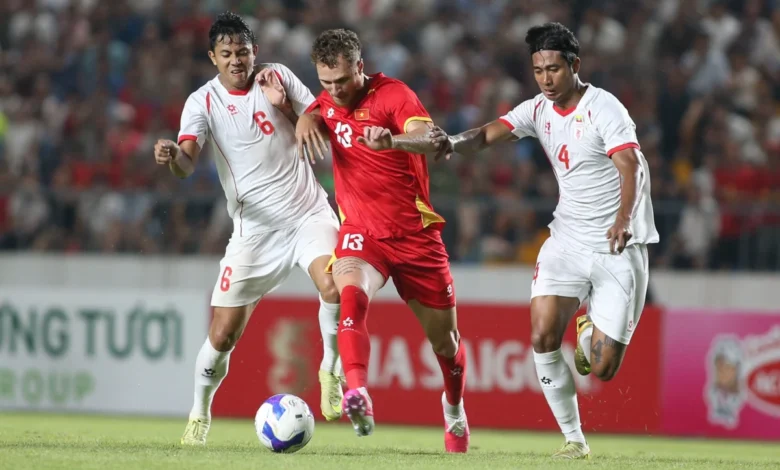
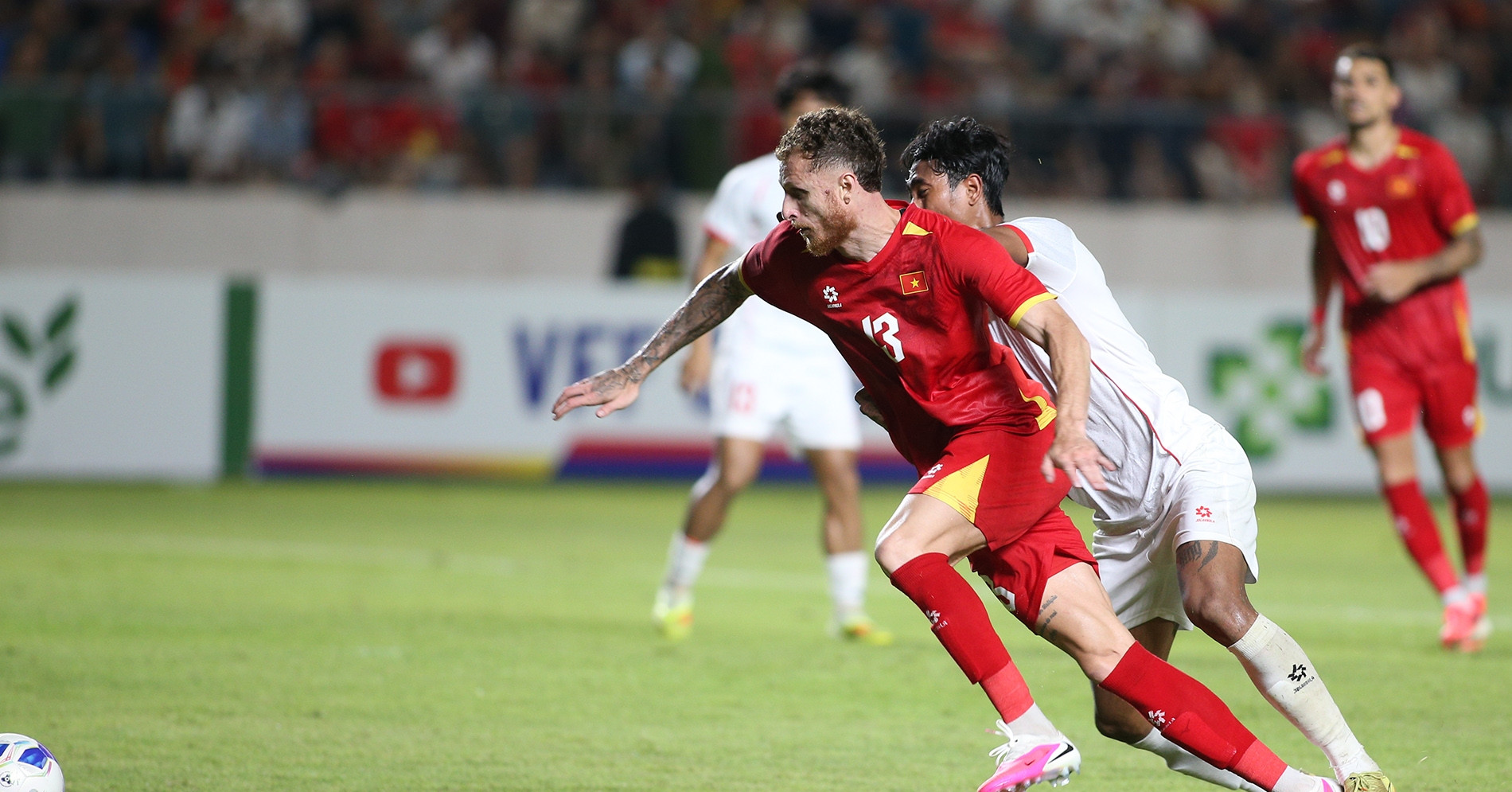
The one-month training camp leading up to the ASEAN Cup has been characterized by intense focus and encouraging results. During this period, the national team engaged in a series of preparatory matches, reportedly securing four victories. While the exact opponents for all these fixtures were not fully detailed in general reports, the encounters included significant tests against club teams from South Korea and a dominant 4-0 triumph over Myanmar. These friendlies served as crucial opportunities for Kim Sang Sik to experiment with formations, assess player combinations, and fine-tune his tactical instructions.
Crucially, the team emerged from this demanding schedule without any major new injury setbacks. This is a testament to the comprehensive fitness and medical protocols implemented by the coaching staff, ensuring that the squad remains robust and ready for the rigors of a high-stakes international tournament. In the context of a short, intense competition like the ASEAN Cup, where matches come thick and fast, maintaining a full complement of fit players is an invaluable asset, allowing the coach maximum flexibility in team selection and substitutions. The physical readiness combined with the positive results has undoubtedly contributed to the buoyant mood surrounding the team as they embark on their journey to Thailand.
Tactical Renaissance: Unlocking Attacking Potential
One of the most significant achievements of Kim Sang Sik’s preparatory phase has been the cultivation of diverse attacking options. The team, previously seen by some as overly reliant on a few star individuals, now boasts a formidable array of players capable of contributing goals from various positions. This tactical versatility is a marked departure from past tendencies and provides Kim with a strategic advantage.

Players like Xuan Son have reportedly maintained their impressive scoring form, demonstrating a consistent threat in front of goal. Dinh Bac, a rising talent, has shown remarkable adaptability, seamlessly integrating into new roles within the offensive setup. Hoang Hen has continued to make a significant impact, adding another dimension to the team’s attack with his dynamic play. Furthermore, established figures such as Quang Hai, Hoang Duc, Hai Long, and Tai Loc have all proven their readiness to assume different responsibilities, showcasing their versatility and willingness to adapt to the coach’s varied tactical demands. This depth means that Kim Sang Sik is not dependent on a single individual’s form or availability, allowing him to rotate players, introduce fresh legs, and alter his strategy based on the specific opponent and match situation. The "Samba dance" mentioned in related articles, referring to the flair and creativity, particularly from players like Xuan Son, Hoang Hen, and Tai Loc, underscores this newfound attacking freedom and potency.
Strategic Flexibility: A Priceless Asset for Tournament Play
The ability to deploy multiple tactical approaches and player combinations is an absolutely invaluable asset, particularly in the unique format of the ASEAN Cup. This tournament, characterized by its condensed schedule and the need to navigate diverse playing styles from various Southeast Asian opponents, demands a high degree of adaptability. Unlike a league campaign where a consistent system can be honed over many months, the ASEAN Cup requires coaches to make swift adjustments and potentially alter their entire approach from one match to the next.
Kim Sang Sik’s emphasis on developing this strategic flexibility means Vietnam can pivot between a possession-based game, a counter-attacking approach, or even a more direct style, depending on the opposition. If a particular attacking plan isn’t working, or if a key player is marked out of the game, Kim has a wealth of alternative options at his disposal. This reduces predictability for opponents and provides the Vietnamese squad with the tools to overcome various challenges. It’s a significant evolution from previous iterations of the team, where tactical shifts might have been less fluid, and performance could sometimes hinge on the form of a select few. This newfound flexibility is indeed the "biggest difference" heading into the tournament, promising a more resilient and unpredictable Vietnamese side.
Beyond the Friendly Stage: The True Test Awaits

Despite the encouraging results and positive atmosphere generated during the preparatory phase, the coaching staff and players remain acutely aware that the ASEAN Cup itself presents an entirely different proposition. The victories against club teams and even a regional opponent like Myanmar, while valuable for building cohesion and confidence, serve primarily as reference points rather than definitive indicators of tournament performance. The intensity, pressure, and tactical acumen of opponents in the actual competition will be significantly higher.
Analysts have pointed out areas for continued improvement, even during the successful friendly matches. For instance, observations from the Myanmar game suggested that the connection between the midfield and defensive lines occasionally lacked the desired solidity, creating pockets of space that stronger opponents could potentially exploit. While these errors might have gone unpunished against Myanmar, they could prove costly when facing more potent attacking teams in the ASEAN Cup. This self-awareness within the squad regarding areas for refinement is a healthy sign, indicating that complacency is not setting in despite the recent successes.
Historical Context and High Stakes: Defending the ASEAN Cup Crown
The ASEAN Cup holds immense significance for Vietnamese football. The team has a proud history in the competition, having lifted the trophy in 2008 and 2018. In the most recent edition (2022), Vietnam reached the final, ultimately finishing as runners-up to arch-rivals Thailand. This track record, coupled with the passionate support of millions of fans, places considerable expectations on the current squad and coaching staff.
Kim Sang Sik’s mission is not merely to compete but to restore Vietnam to the pinnacle of Southeast Asian football. The pressure to defend or reclaim the championship title is immense, reflecting the nation’s deep-seated pride and ambition in the sport. This tournament is seen as a crucial benchmark for the new coach, an opportunity to demonstrate his strategic prowess and leadership under competitive conditions. The legacy of previous coaches, particularly the highly successful Park Hang-seo, also looms large, setting a high standard for Kim Sang Sik to emulate.

The Road to Thailand: A New Phase Commences
The flight to Thailand is more than just a logistical movement; it signifies a critical transition point. It marks the conclusion of the experimental phase and the beginning of a period where all of Kim Sang Sik’s meticulous calculations, tactical innovations, and player empowerment strategies must be rigorously tested and validated on the field of play. The training ground successes and the camaraderie built over the past month will now face the ultimate scrutiny of competitive football.
For Coach Kim, this journey is about proving that his vision can translate into tangible results when it matters most. Every decision, every substitution, and every tactical adjustment will be under intense observation. The players, in turn, must rise to the occasion, demonstrating that the confidence and depth they have cultivated are not just for show, but are robust qualities capable of withstanding the pressures of a major tournament.
First Hurdle: Timor Leste and the Quest for Validation
The opening match against Timor Leste will be a crucial first step in Vietnam’s ASEAN Cup campaign. While Timor Leste is generally considered one of the weaker teams in the tournament, a convincing performance in this fixture is vital. It’s an opportunity for Kim Sang Sik’s team to lay down a marker, demonstrate their tactical cohesion, and convert the positive signals from training into a dominant on-field display.

Only after a persuasive performance against Timor Leste can Coach Kim Sang Sik truly declare that the Vietnam national team has arrived at the ASEAN Cup with a singular, unwavering objective: to defend the championship title. This initial success will be instrumental in building momentum, reinforcing the team’s belief, and sending a clear message to their rivals that Vietnam is a force to be reckoned with.
In summary, the Vietnam national team is heading into the ASEAN Cup armed with renewed confidence, impressive squad depth, and a diverse arsenal of tactical options. However, the most critical element remains the burning desire to defend their regional crown. The journey ahead will be challenging, but with careful preparation and a revitalized spirit, Coach Kim Sang Sik and his players are poised to embark on a compelling quest for glory.