Government Demands Resolution of Automotive Technology Transfer Bottlenecks Pertaining to Emission Standards

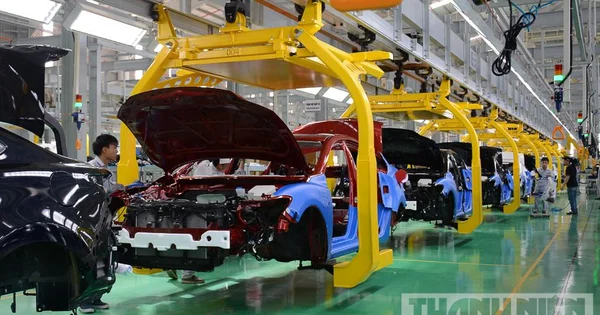
The Vietnamese government, in a significant move to address pressing industry concerns, has directed several key ministries to promptly review and resolve issues surrounding the transfer of technology for the manufacturing and assembly of automobiles and their engines. Specifically, the directive targets regulations imposing restrictions on technologies related to Euro 5 emission standards for cars and Euro 4/3 for motorcycles, which have been identified as hindering the domestic automotive sector’s development and competitiveness. The ministries involved, including Science and Technology, Construction, Industry and Trade, and Justice, were instructed to report their findings and proposed solutions by July 25, 2015, following an official dispatch from the Office of the Government.
This directive stems from persistent appeals by automotive industry associations and businesses, primarily the Vietnam Automobile Manufacturers’ Association (VAMA), which highlighted critical inconsistencies and impracticalities within Decree 101/2014/ND-CP, a regulation designed to implement the Law on Technology Transfer. The industry argued that certain provisions within this decree created unnecessary bureaucratic hurdles and disincentives for investment and technological advancement, potentially undermining the government’s broader goals for industrial modernization and environmental protection.
Background: The Law on Technology Transfer and Decree 101
Vietnam’s legal framework for technology transfer is anchored in the Law on Technology Transfer, initially enacted in 2006. This law aims to promote the transfer of advanced technologies into Vietnam while simultaneously preventing the import of outdated or environmentally harmful technologies. To operationalize this law, various decrees and circulars have been promulgated over the years. Decree 101/2014/ND-CP, specifically, elaborated on the types of technologies that are encouraged, restricted, or banned from transfer.
Under Decree 101, technologies are categorized into three lists:
- Encouraged Technologies: Those that are prioritized for transfer due to their advanced nature, high economic efficiency, and environmental friendliness.
- Restricted Technologies: Technologies whose transfer requires specific permits or conditions due to potential impacts on the environment, national security, or public health, or because they are considered less efficient or outdated.
- Banned Technologies: Technologies that are prohibited from transfer altogether, typically due to their severe environmental impact, danger to human health, or their designation as obsolete or harmful.
The core of the industry’s grievance lay in the placement of certain automotive manufacturing and assembly technologies, particularly those related to higher emission standards, into the "restricted" and "banned" categories. For example, the decree classified the technology for manufacturing and assembling automobiles and their engines meeting Euro 5 emission standards as "restricted technology transfer." Similarly, the technology for producing and assembling motorcycles and their engines meeting Euro 4 (and below, including Euro 3) emission standards was also subject to restriction or even outright ban, depending on the specific interpretation.
Vietnam’s Evolving Emission Standards Landscape
To understand the industry’s concerns, it’s crucial to consider Vietnam’s trajectory in adopting vehicle emission standards. Like many developing nations, Vietnam has gradually tightened its emission regulations to combat air pollution and align with international environmental norms.
- Euro 2: Mandated for all new motorcycles and automobiles from 2007.
- Euro 3: Introduced for new motorcycles from 2012 and for new automobiles from January 1, 2017.
- Euro 4: Became mandatory for new motorcycles from January 1, 2017, and for new automobiles from January 1, 2018.
- Euro 5: Set to be implemented for new automobiles from January 1, 2022.
In 2015, when VAMA raised its concerns, Euro 5 was a future, aspirational standard, representing the highest level of emission control. Therefore, restricting the transfer of technology capable of meeting Euro 5 standards appeared counterintuitive. The industry argued that such a restriction would impede manufacturers from upgrading their production capabilities to meet future environmental requirements and would make it harder to introduce cleaner vehicles into the Vietnamese market.
Moreover, the inclusion of Euro 4 and Euro 3 standards for motorcycles and older Euro standards for cars in the "restricted" or "banned" lists was problematic. While Vietnam was moving towards higher standards, there remained a significant market for vehicles compliant with Euro 3 or Euro 4, especially for export to other developing countries in Africa or the Middle East, where these standards were still acceptable or even considered advanced.
VAMA’s Urgent Appeals and Industry Concerns
The Vietnam Automobile Manufacturers’ Association (VAMA), representing a significant portion of the domestic and foreign-invested automotive companies in Vietnam, emerged as the leading voice articulating the industry’s dissatisfaction with Decree 101. VAMA submitted detailed recommendations to the government, outlining the specific negative impacts of the decree’s provisions.
1. Inconsistency with National Emission Roadmaps: VAMA strongly emphasized the paradox of restricting technology transfer for Euro 5 standards when Euro 5 was the highest and most advanced emission standard targeted by Vietnam’s environmental policies. They argued that such a regulation was "not harmonious with the current emission standard roadmap," creating a disconnect between technology transfer policies and environmental goals. Instead of encouraging the adoption of cleaner technologies, the decree seemed to complicate it.
2. Lack of Clear Government Direction and Investment Uncertainty: The immediate restriction of Euro 5 technology, without clear transitional mechanisms or explanations, left businesses in a state of confusion. VAMA noted that companies found it difficult to ascertain the government’s long-term direction, which negatively impacted their production and business plans. This uncertainty was particularly detrimental to investment decisions, as automotive manufacturing requires substantial, long-term capital commitments. Investors, both domestic and foreign, were hesitant to commit to new projects or upgrades if the regulatory environment for technology transfer was unpredictable or restrictive concerning advanced standards.
3. Increased Compliance Costs and Bureaucracy: Placing Euro 5 auto technology on the "restricted" list meant that companies wishing to adopt or transfer such technology would have to apply for specific technology transfer licenses. This process, VAMA explained, would introduce additional administrative procedures, delays, and costs. Each application would require time, resources, and potentially legal expertise, adding a significant financial and operational burden to businesses that are already operating on thin margins in a competitive market.
4. Risk of Supply Chain Disruption and Shift to CBU Imports: A critical concern raised by VAMA was the potential for the regulations to disrupt the domestic automotive supply chain. If local manufacturers found it excessively difficult or costly to acquire or transfer the necessary technologies for local production, they might be compelled to shift away from domestic assembly (CKD/SKD) towards importing Completely Built Units (CBUs). Such a shift would undermine the government’s efforts to develop a robust domestic automotive industry, reduce localization rates, and negatively impact supporting industries and employment. It could effectively reverse years of investment in local manufacturing capabilities.
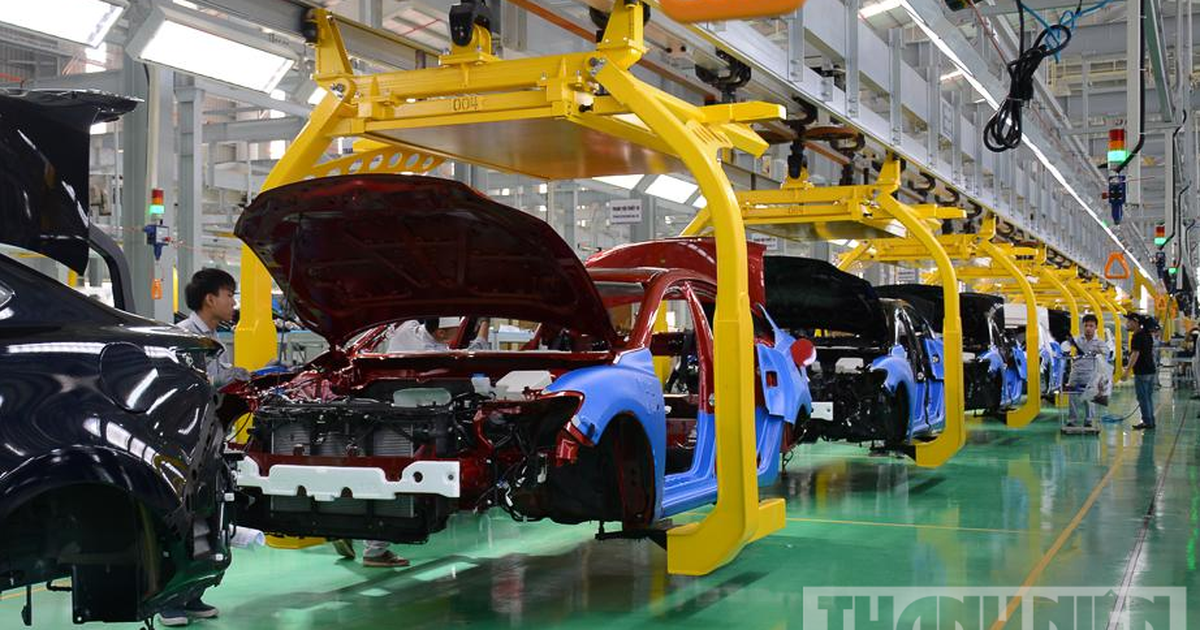
5. Hindrance to Export Potential: Beyond the domestic market, businesses also voiced concerns about the decree’s impact on export opportunities. The restriction or ban on technologies for producing vehicles compliant with Euro 3 or Euro 4 standards (especially for motorcycles and older car models) was particularly problematic. Many developing markets, especially in regions like Africa and the Middle East, still accept or even prefer vehicles adhering to these lower emission standards due to cost, fuel quality, and infrastructure limitations. By restricting the transfer of these technologies, Vietnam-based manufacturers would lose the ability to produce competitively priced vehicles for these export markets, thereby limiting their market reach and overall growth potential. This would effectively make Vietnam less attractive as a regional manufacturing hub for certain vehicle segments.
The Government’s Response and Directive
Recognizing the gravity of the industry’s concerns, Deputy Prime Minister Hồ Quốc Dũng issued a clear directive through an official dispatch from the Office of the Government. The DPM instructed the Ministry of Science and Technology (MOST) and the Ministry of Construction (MOC) to take the lead in addressing these issues. They were mandated to collaborate closely with the Ministry of Industry and Trade (MOIT), the Ministry of Justice (MOJ), and other relevant agencies.
The directive outlined specific actions:
- Comprehensive Review: Ministries were tasked with conducting a thorough review and research into the "difficulties, bottlenecks, and recommendations" put forth by industry associations regarding the implementation of Decree 101.
- Identification of Problematic Provisions: The focus was on pinpointing the exact provisions within the decree that were causing unintended negative consequences.
- Proposing Solutions: Crucially, the ministries were required to propose concrete and timely solutions to resolve these issues.
A key part of the directive specifically mentioned the need to consider the industry’s request to remove the technology for manufacturing and assembling Euro 5 standard automobiles and their engines from the "restricted technology transfer" list. Similarly, they were to review the removal of technology for manufacturing and assembling Euro 4 and Euro 3 standard motorcycles and their engines from the "restricted" or "banned" lists, especially concerning production for export.
Furthermore, the DPM instructed the Ministry of Construction to lead the review of the timing for banning technology transfer for manufacturing and assembling motorcycles and their engines, specifically comparing it with the existing roadmap for applying emission standards. This was to ensure that the regulatory timeline for technology transfer was consistent with the environmental standards implementation schedule, preventing any premature or illogical restrictions.
All ministries were required to compile their findings and proposed solutions and submit a consolidated report before July 25, 2015. This tight deadline underscored the government’s recognition of the urgency and importance of resolving these regulatory impediments to the automotive industry’s development.
Broader Implications and Analysis
The government’s swift response to VAMA’s appeals carried several significant implications for Vietnam’s industrial policy, investment climate, and economic development:
1. Responsiveness to Industry Feedback: The directive showcased the Vietnamese government’s willingness to listen to and act upon feedback from the business community. This responsiveness is crucial for maintaining a healthy business environment and fostering trust between the public and private sectors. It signals that the government is prepared to adjust policies when they prove to be impractical or detrimental to economic growth.
2. Supporting Domestic Manufacturing and Localization: By reviewing the restrictions, the government demonstrated an intent to support the growth of domestic automotive manufacturing and assembly. Easing technology transfer regulations, particularly for advanced standards like Euro 5, would enable local producers to upgrade their capabilities, introduce newer models, and potentially increase localization rates, thus reducing reliance on imported components. This aligns with Vietnam’s long-term industrialization goals.
3. Enhancing Competitiveness and Export Capabilities: Removing the technology transfer restrictions, especially for Euro 3 and Euro 4 compliant vehicles for export, would allow Vietnamese manufacturers to compete more effectively in regional and global markets. This would diversify their revenue streams, reduce market risks, and position Vietnam as a more attractive base for automotive production for various market segments.
4. Streamlining Regulatory Frameworks: The incident highlighted the importance of inter-ministerial coordination and continuous review of regulatory frameworks. Policies enacted by one ministry (e.g., Science and Technology regarding technology transfer) must be harmonized with policies from others (e.g., Environment regarding emission standards, Industry and Trade regarding industrial development). The DPM’s directive to involve multiple ministries in the review process was a recognition of this necessity.
5. Attracting Foreign Direct Investment (FDI): A clear, predictable, and supportive regulatory environment is a key factor for attracting and retaining foreign direct investment. By addressing these bottlenecks, Vietnam aimed to reinforce its image as an attractive investment destination, particularly for high-tech manufacturing sectors like automotive. Investors are more likely to commit capital when they are confident that the regulatory landscape will facilitate, rather than impede, their operations and technological upgrades.
Conclusion
The Vietnamese government’s directive in July 2015 to resolve the automotive technology transfer bottlenecks under Decree 101/2014/ND-CP marked a pivotal moment in its engagement with the domestic automotive industry. By tasking multiple ministries to review and propose solutions to the industry’s concerns regarding emission standard technologies, the government signaled its commitment to fostering a more conducive business environment. The outcome of this review, expected to lead to amendments or clearer guidelines, was crucial for ensuring that Vietnam’s regulatory framework supports, rather than obstructs, the industry’s modernization, competitiveness, and environmental sustainability goals, thereby paving the way for sustained growth and integration into the global automotive supply chain.
Related posts: