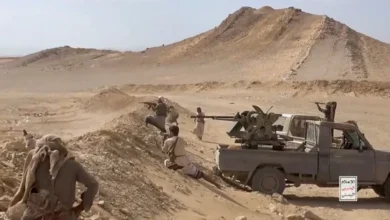
The Trump administration is reportedly considering military action against the Jama’at Nusrat al-Islam wal-Muslimin (JNIM) militant group in Mali, a move that would mark the eighth significant military operation initiated by President Trump during his term. The Washington Post, citing anonymous U.S. officials familiar with the discussions, reported on July 22, 2026, that the administration is evaluating options for strikes against JNIM, a group with ties to al-Qaeda, due to concerns that it is consolidating its presence and expanding its influence across the Sahel region.
JNIM, which has established a stronghold in Mali, has been increasingly active in launching attacks against coastal nations in West Africa, emerging as a dominant extremist force in the region. The potential U.S. military engagement in Mali underscores the persistent threat of terrorism in the Sahel, a vast and complex geopolitical landscape grappling with instability, poverty, and the impacts of climate change.
Background and Context of the JNIM Threat
JNIM, an amalgamation of several jihadist groups, has been a primary driver of insecurity in Mali and the wider Sahel since its formation. The group has exploited the fragile political situations in Mali and neighboring countries, leveraging local grievances and ethnic tensions to recruit and expand its operational reach. Its activities have not only destabilized Mali, which has been experiencing a protracted political and security crisis, but have also increasingly posed a threat to regional and international security interests.
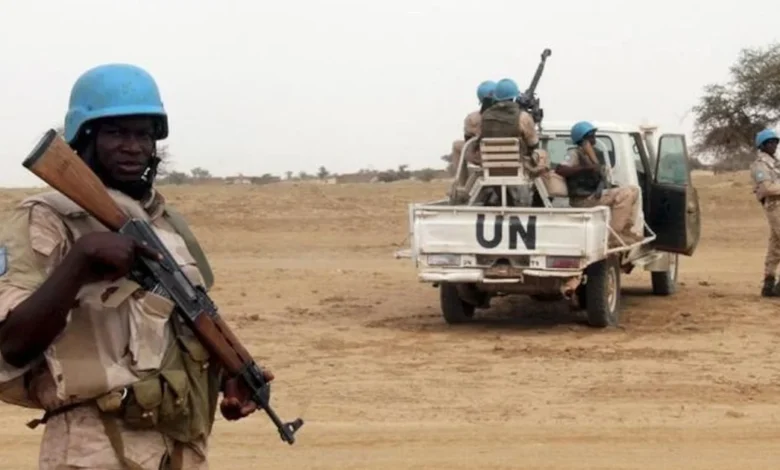
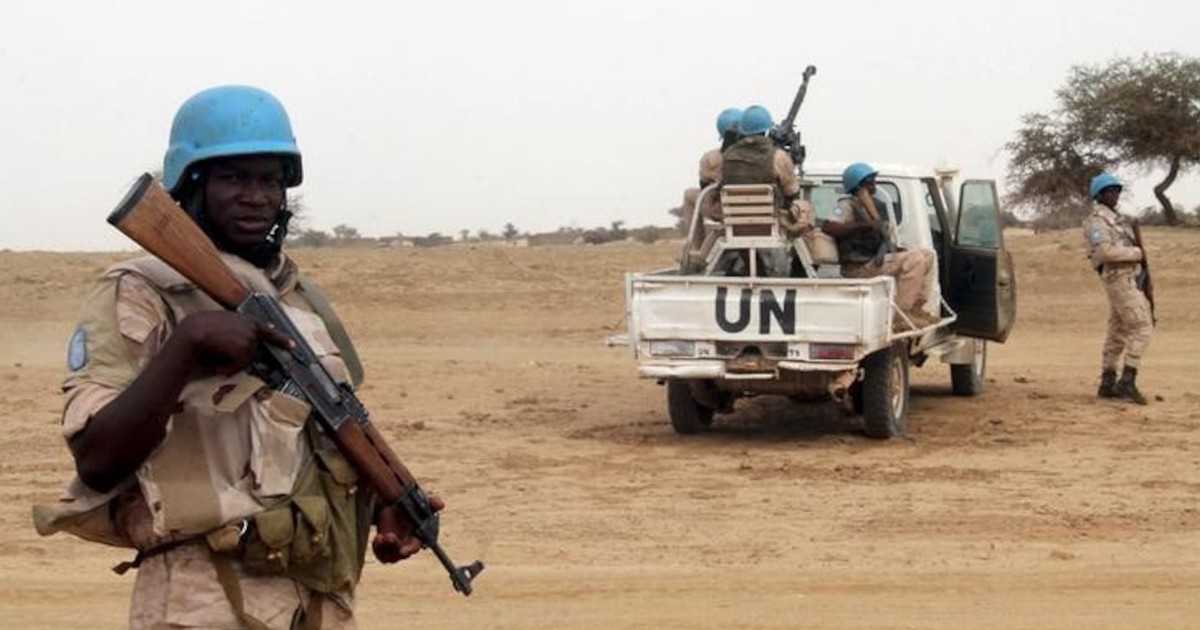
The group’s strategic objective appears to be the establishment of a caliphate or a region governed by its interpretation of Islamic law, a goal that aligns with broader al-Qaeda aspirations. JNIM’s attacks have targeted Malian security forces, UN peacekeepers, and civilians, as well as French and other international forces operating in the region. Its growing capacity and territorial control have raised alarms among international counter-terrorism bodies and security analysts.
The U.S. administration’s contemplation of military action comes at a time when Mali’s security landscape has been further complicated by the withdrawal of French forces and a shift in allegiance by the Malian military junta towards Russian influence, particularly the Wagner Group. This geopolitical realignment has created a vacuum and altered the dynamics of counter-terrorism efforts, potentially creating new opportunities for extremist groups to thrive.
Timeline of Consideration and Potential Operations
While the specifics of the deliberations remain classified, the reporting suggests that these discussions have been ongoing and have intensified in recent months. The potential for a U.S. military operation in Mali would represent a significant escalation of American involvement in the Sahel and would place Mali as the eighth nation where President Trump has authorized kinetic military action during his presidency.
The countries previously subjected to U.S. military strikes under the Trump administration include Yemen, Somalia, Syria, Iran, Iraq, Nigeria, and Venezuela. Each of these engagements has carried significant geopolitical ramifications and varying degrees of success in achieving stated objectives. The decision to engage JNIM in Mali would likely be preceded by a thorough assessment of the potential risks, rewards, and long-term consequences.
Supporting Data and Intelligence Assessments
Intelligence assessments indicate that JNIM has been systematically increasing its operational capacity, utilizing advanced tactics and weaponry. The group’s ability to conduct coordinated attacks across vast distances and its increasing sophistication in propaganda and recruitment efforts highlight the evolving nature of the threat. The U.S. intelligence community has been closely monitoring JNIM’s activities, with particular concern over its links to al-Qaeda’s global network and its potential to serve as a staging ground for international terrorism.
Reports suggest that JNIM has benefited from the political instability in Mali, which has weakened the central government’s ability to assert control over its territory. The group has also been adept at exploiting the void left by the departure of international peacekeeping and counter-terrorism forces, thereby expanding its influence and operational space.
Analysis of Implications
The potential U.S. military action against JNIM carries significant implications. Firstly, it would signal a renewed commitment by the United States to counter-terrorism efforts in the Sahel, a region that has become a growing concern for global security. This could lead to increased international cooperation and a more coordinated approach to addressing the root causes of extremism.
Secondly, such an operation could have a direct impact on JNIM’s operational capabilities, potentially disrupting its leadership, infrastructure, and ability to conduct attacks. However, it also carries the risk of unintended consequences, including civilian casualties, increased regional instability, and potential backlash from extremist elements.
Thirdly, the move could further complicate the geopolitical landscape in Mali and the Sahel, particularly in the context of evolving relationships with Russia and other international actors. The U.S. would need to carefully navigate these complex dynamics to avoid exacerbating existing tensions.
Furthermore, the decision to strike JNIM would align with the Trump administration’s broader foreign policy approach, which has often involved a willingness to employ military force to address perceived threats. The administration has previously expressed a commitment to confronting terrorist organizations wherever they operate, and action in Mali would be consistent with this posture.

Official Responses and Lack of Comment
The Department of Defense has declined to comment on the reported deliberations, a standard practice when military operations are under consideration. Similarly, representatives from the National Security Council (NSC) and the Malian government have not provided official statements regarding the matter. The lack of public comment from key stakeholders underscores the sensitive nature of these discussions and the potential for significant diplomatic and military ramifications.
Sebastian Gorka, a senior advisor within the administration, has been known for his hawkish stance on national security and has publicly advocated for robust military responses to terrorist threats. His position within the NSC suggests that a more assertive approach to counter-terrorism in the Sahel could be a favored option.
Broader Impact on Regional Security and U.S. Foreign Policy
The potential military engagement in Mali also raises questions about the long-term U.S. strategy in the Sahel. The region has been a focal point for counter-terrorism efforts for years, with various international actors involved in training, advising, and supporting local forces. However, the persistent insecurity and the rise of extremist groups suggest that current strategies may not be sufficient.
The U.S. administration has also been actively promoting the sale of American defense equipment and security services to African nations. A potential military operation in Mali could serve to bolster these efforts by demonstrating the effectiveness of U.S. military capabilities and encouraging regional partners to invest in U.S.-made defense systems.
The situation in Mali is emblematic of the broader challenges facing the Sahel region, including weak governance, poverty, ethnic conflicts, and the growing influence of extremist groups. Addressing these complex issues requires a multifaceted approach that combines military action with diplomatic engagement, economic development, and humanitarian assistance. The decision to pursue military action in Mali will undoubtedly be scrutinized for its potential to contribute to a more stable and secure Sahel, or conversely, to further entrench conflict and instability.
The reporting by The Washington Post, citing anonymous officials, indicates that the administration is weighing the risks and benefits of a kinetic military operation. The ultimate decision will likely depend on a variety of factors, including intelligence assessments, the perceived urgency of the threat, and the broader geopolitical considerations. As the situation unfolds, the international community will be closely watching to see how the United States chooses to respond to the escalating threat posed by JNIM in Mali.