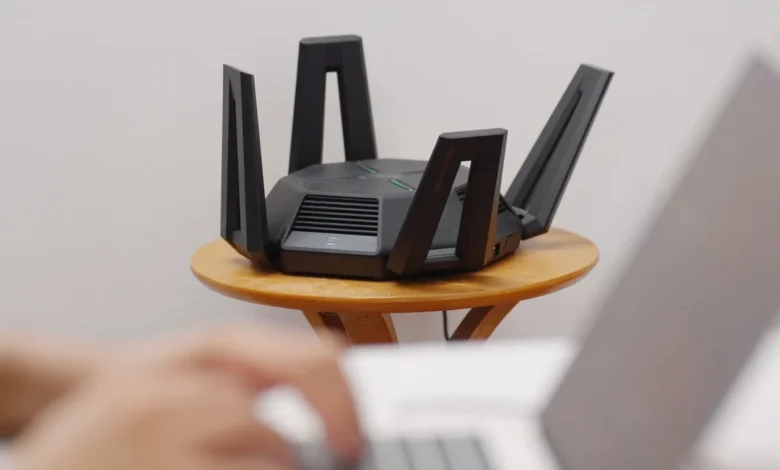
Achieving a robust and reliable Wi-Fi signal throughout your home or office is a common challenge in our increasingly connected world. The ubiquity of smart devices, streaming services, and remote work has amplified the demand for seamless internet access. While many users consider router placement an afterthought, its strategic positioning is paramount to maximizing Wi-Fi performance. The signal strength radiates horizontally from the router, with antenna orientation playing a significant role in directing this coverage. Understanding how to optimize these factors can dramatically improve your wireless network’s reach and stability, mitigating frustrating dead zones and buffering issues. This article explores six essential strategies for positioning your Wi-Fi router to ensure the strongest possible signal throughout your environment.
The fundamental principle behind effective router placement revolves around understanding how Wi-Fi signals propagate. Unlike radio waves from traditional broadcasts that might emanate omnidirectionally, Wi-Fi signals from most consumer routers are primarily directional. They tend to spread out horizontally, creating a doughnut-shaped coverage area around the device. The antennas, whether internal or external, are designed to broadcast this signal. Therefore, placing the router centrally and at an elevated position is often the first step in achieving comprehensive coverage. However, the nuances of signal obstruction and interference require a more detailed approach.
The Central Hub: Strategic Placement for Omnidirectional Reach
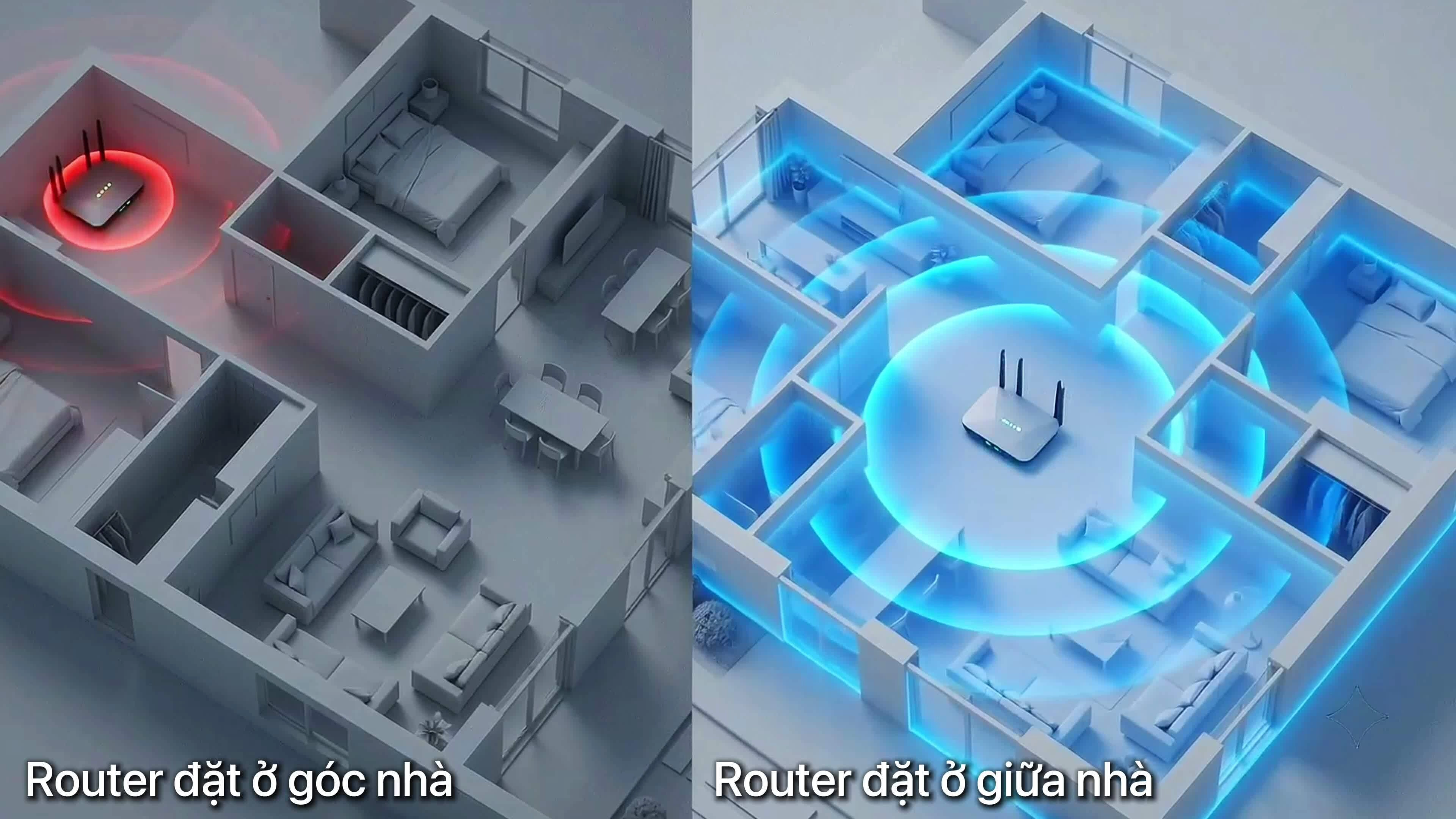
The most critical factor in ensuring a strong Wi-Fi signal is to place the router in a central location within the area you intend to cover. Imagine your home or office as a map and your router as the source of a radiating energy. If the source is pushed to one corner, a significant portion of that energy will be wasted on areas that don’t require coverage, while other areas will receive a weakened signal.
Data Supporting Central Placement:
Studies on Wi-Fi signal propagation consistently demonstrate that the signal strength diminishes with distance from the router. For instance, tests conducted by networking experts often show a drop of 10-15 dBm (decibels relative to one milliwatt), a unit of signal strength, for every 10 feet of distance in an open environment. In obstructed environments with walls and furniture, this degradation can be even more pronounced. Placing the router centrally can effectively halve the maximum distance the signal needs to travel to reach devices in the furthest corners, thereby maintaining a stronger connection.
Background Context:
Historically, internet connectivity was primarily delivered via wired Ethernet cables. The advent of Wi-Fi revolutionized how we access the internet, offering unprecedented mobility and convenience. However, this wireless technology is subject to physical limitations, including signal attenuation through materials and electromagnetic interference. Router manufacturers have continuously strived to improve signal strength and range through technological advancements, but the foundational principles of physics still dictate optimal placement.
Elevate Your Signal: The Importance of Height
Beyond horizontal distribution, vertical placement is equally crucial. Routers are designed to broadcast their signals downwards and outwards. Placing your router on the floor, especially in a room with multiple levels or furniture, significantly hinders its ability to reach devices on other floors or those situated behind obstacles.
Analysis of Vertical Placement:
Wi-Fi signals, particularly those on the 2.4 GHz band, have a better ability to penetrate solid objects than signals on the 5 GHz band, but they are still susceptible to attenuation. When a router is placed on the floor, a substantial portion of its signal energy is directed into the floor itself, which is often made of dense materials like concrete or wood. Elevating the router to a higher position, such as on a shelf, a desk, or a wall mount, allows the signal to spread more effectively across the intended horizontal plane and also to reach upper floors with greater efficacy.
Supporting Data:
Anecdotal evidence and practical testing by IT professionals suggest that elevating a router by just a few feet can lead to a measurable improvement in signal strength, often by 5-10 dBm, in areas that were previously weak. This is because it allows the signal to bypass common floor-level obstructions like furniture, appliances, and even people.
Antenna Orientation: Directing the Signal with Precision
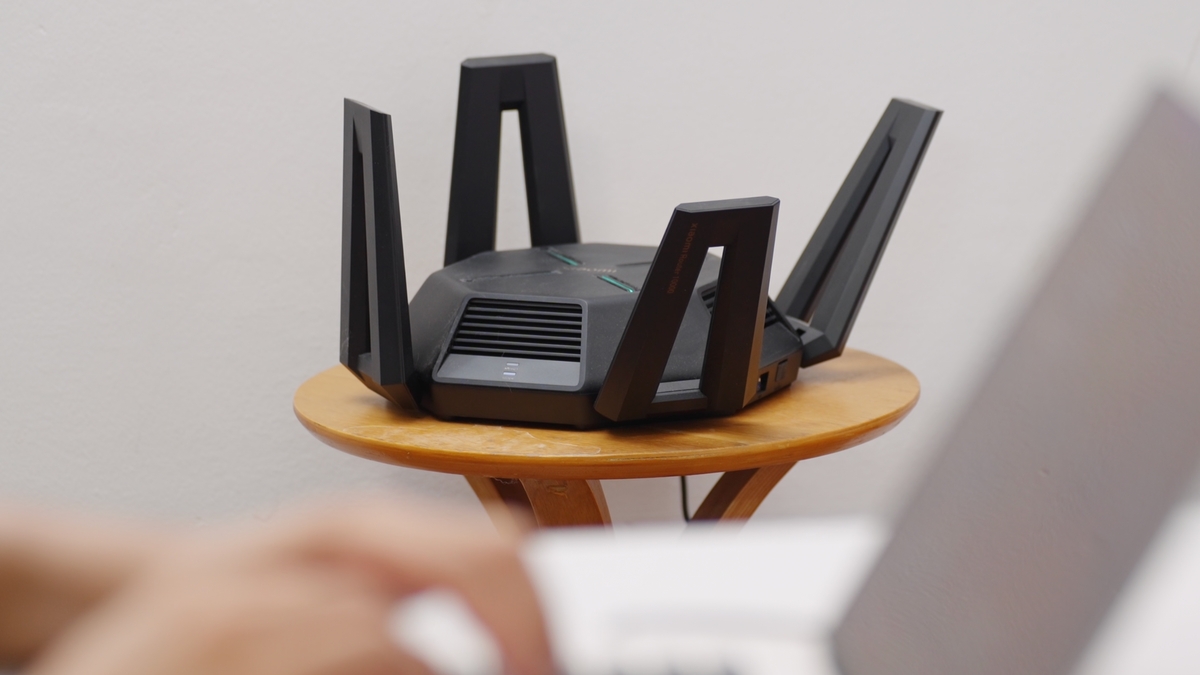
Many Wi-Fi routers, especially older or more performance-oriented models, feature external antennas. These antennas are not merely decorative; they are designed to be manipulated to optimize signal direction. For routers with multiple antennas, the general rule of thumb is to position them at different angles.
Technical Explanation:
Wi-Fi antennas emit radio waves in specific patterns. When antennas are oriented vertically, they tend to broadcast the strongest signal horizontally. If you have multiple antennas, angling them in different directions (e.g., one vertical, one at a 45-degree angle, one horizontal) can help create a more omnidirectional coverage pattern, effectively reaching devices located in various orientations relative to the router. This is particularly useful in multi-story homes or offices where devices might be located directly above or below the router.
Chronology of Antenna Technology:
Early Wi-Fi routers often had fixed, non-adjustable antennas. The introduction of adjustable external antennas represented a significant step forward in user control over Wi-Fi signal distribution. More recent advancements include internal antennas and sophisticated beamforming technology, which actively directs the Wi-Fi signal towards connected devices, further enhancing efficiency and reducing interference.
Avoiding Obstructions: Clearing the Path for Your Signal
The physical environment surrounding your router plays a critical role in signal strength. Various materials and electronic devices can interfere with or absorb Wi-Fi signals, creating dead zones or reducing performance.
Common Signal Obstructions and Their Impact:
- Walls: Thick walls, especially those made of concrete, brick, or plaster, can significantly attenuate Wi-Fi signals. Drywall and wood offer less resistance.
- Metal Objects: Metal is a particularly effective signal blocker. Placing your router near large metal appliances (refrigerators, microwaves), metal filing cabinets, or even mirrors (which often have a metallic backing) can severely degrade performance.
- Water: Large bodies of water, such as fish tanks, can absorb Wi-Fi signals.
- Furniture: Dense furniture, particularly large wooden pieces or upholstered items, can also act as signal barriers.
Practical Advice:
To maximize signal strength, aim to place your router in an open area, away from walls and large furniture. If your router must be near a wall, ensure it’s not a load-bearing wall or one containing significant metal components.
Minimizing Interference: A Clean Wireless Spectrum
Wi-Fi operates on specific radio frequency bands (2.4 GHz and 5 GHz). However, these bands are not exclusive to Wi-Fi. Other devices emit radio waves that can interfere with your Wi-Fi signal, leading to slower speeds and dropped connections.
Sources of Interference:
- Microwave Ovens: These appliances operate on the 2.4 GHz band and can cause significant interference when in use.
- Bluetooth Devices: Bluetooth technology also uses the 2.4 GHz band.
- Cordless Phones: Older cordless phones, particularly those operating on the 2.4 GHz frequency, can be a source of interference.
- Other Wi-Fi Networks: In densely populated areas like apartment buildings, multiple Wi-Fi networks operating on the same or adjacent channels can lead to congestion and interference.
Strategies for Mitigation:
- Channel Selection: Most modern routers allow you to manually select the Wi-Fi channel. Using a Wi-Fi analyzer app on your smartphone can help identify less congested channels in your area. The 2.4 GHz band has channels 1-11, with channels 1, 6, and 11 being the most common non-overlapping choices. The 5 GHz band offers more channels and is generally less prone to interference.
- Device Proximity: Keep your router as far away as possible from known sources of interference, such as microwaves and cordless phone bases.
- Band Steering: If your router supports band steering, it can intelligently guide devices to the optimal band (2.4 GHz or 5 GHz) based on signal strength and device capabilities, helping to manage congestion.
The Open-Air Principle: Beyond the Cabinet
A common, though often unintentional, mistake is to place a Wi-Fi router inside a cabinet, entertainment center, or even a decorative box. While this might be aesthetically pleasing, it severely restricts the router’s ability to broadcast its signal effectively.
Analysis of Enclosed Placement:
Wi-Fi signals are electromagnetic waves that require an unobstructed path to propagate. Enclosing a router within solid materials, especially those made of wood, plastic, or metal, acts as a barrier that absorbs and reflects the signal. This can lead to significantly reduced range and performance, effectively turning your high-performance router into a low-performance device.
Expert Recommendations:
Networking professionals universally recommend placing routers in open, unobstructed spaces. This means avoiding cabinets, shelves that are too crowded, or areas where the router is surrounded by other electronics or dense materials. The ideal scenario is to have the router in a location where it has a clear line of sight to the majority of the devices it needs to serve.
Broader Impact and Implications
The consistent availability of a strong Wi-Fi signal has far-reaching implications beyond simply browsing the internet. For households, it means uninterrupted streaming of entertainment, seamless video conferencing for remote work and education, and reliable connectivity for smart home devices. For businesses, it translates to increased productivity, efficient communication, and the ability to leverage cloud-based services without interruption.
Data on Wi-Fi Dependency:
A 2023 report by Statista indicated that the average household now has over 20 connected devices, a number that is steadily increasing. This growing reliance on wireless connectivity underscores the importance of robust network infrastructure, with router placement being a fundamental aspect of its optimization. Poor Wi-Fi performance can lead to significant user frustration, decreased productivity, and even a perception of poor internet service, despite the underlying internet connection being adequate.
Future Trends:
As technologies like Wi-Fi 6E and Wi-Fi 7 emerge, offering higher speeds and greater capacity, the importance of optimal router placement will only increase. These advanced standards are designed to take advantage of new frequency bands and more efficient signal management techniques, but their full potential can only be realized when the router is positioned to maximize its broadcast capabilities. Understanding and implementing these placement strategies is no longer a technical nicety but a necessity for a truly connected modern life.
In conclusion, achieving a powerful and consistent Wi-Fi signal is not solely dependent on the quality of the router itself, but significantly on how and where it is positioned. By adopting a central location, elevating the device, orienting antennas correctly, minimizing obstructions, reducing interference, and ensuring it is in an open space, users can dramatically enhance their wireless network’s performance. These simple yet effective strategies can transform a frustratingly inconsistent Wi-Fi experience into a seamless and reliable one, empowering all connected devices within your environment.
Related posts: