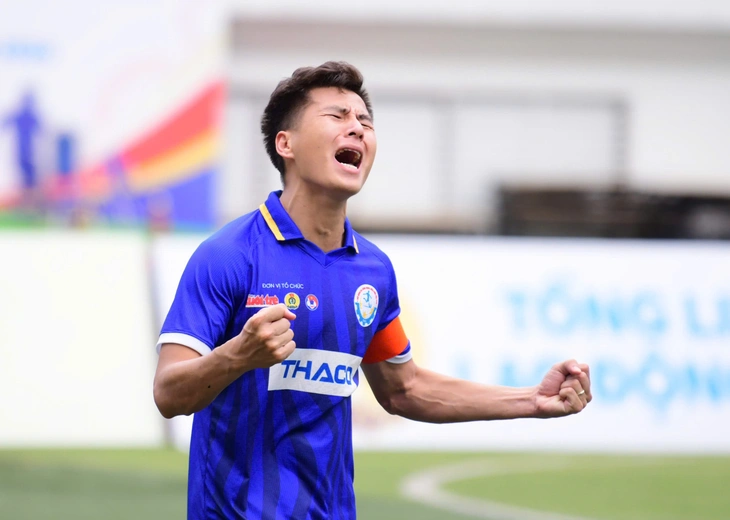
Ho Chi Minh City, Vietnam – In a captivating and fiercely contested encounter on the evening of July 18, 2026, the Vietnam Bank Union (Công Đoàn Ngân hàng Việt Nam – CĐNHVN) emerged victorious over SACOMBANK, the reigning champions, in a thrilling semifinal clash at the National Workers and Public Officials Football Tournament 2026. The match, a highly anticipated rematch of the previous year’s final, culminated in a dramatic penalty shootout after both teams battled to a 2-2 draw in regular time. CĐNHVN ultimately prevailed with a 4-3 scoreline in the shootout, securing their coveted spot in the national final.
The atmosphere at the Tôn Đức Thắng University Stadium in Ho Chi Minh City was electric, with a large crowd of enthusiastic supporters witnessing a display of resilience and skill from both sides. The intensity was palpable from the kickoff, as SACOMBANK, having bested CĐNHVN in the 2025 final under equally nail-biting penalty circumstances, sought to defend their title against a formidable opponent eager for redemption. The narrative of a heated rivalry added an extra layer of excitement to an already crucial fixture.
A Thrilling Semifinal Clash
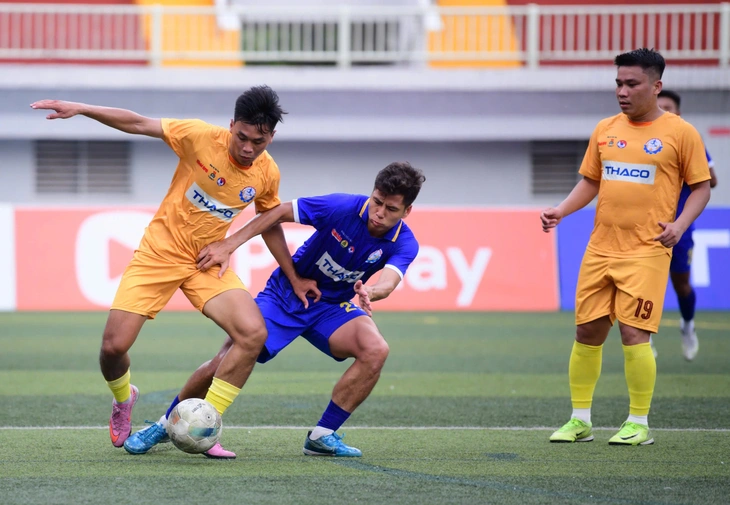
The 60 minutes of regular play were a testament to the competitive spirit of the tournament, offering fans a balanced and engaging spectacle. CĐNHVN, representing the northern banking sector, opened the scoring in the 33rd minute through a well-executed strike by Nguyễn Viết Phong, igniting celebrations among their supporters. However, their lead was short-lived as Nguyễn Thành Đạt of SACOMBANK delivered a stunning equalizer, demonstrating the champions’ ability to respond under pressure. This early exchange set the tone for a game characterized by relentless attacking and defensive fortitude.
The drama escalated in the final minutes of the match. With the clock winding down, Nguyễn Huy Hoàng put CĐNHVN back in front in the 59th minute, seemingly sealing their passage to the final. Yet, SACOMBANK, known for their tenacity, refused to concede. Just three minutes later, Đặng Ngọc Tùng found the back of the net, snatching a dramatic 2-2 equalizer and forcing the game into a penalty shootout. This late surge from the defending champions showcased their experience and never-say-die attitude, pushing the match to its absolute limit.
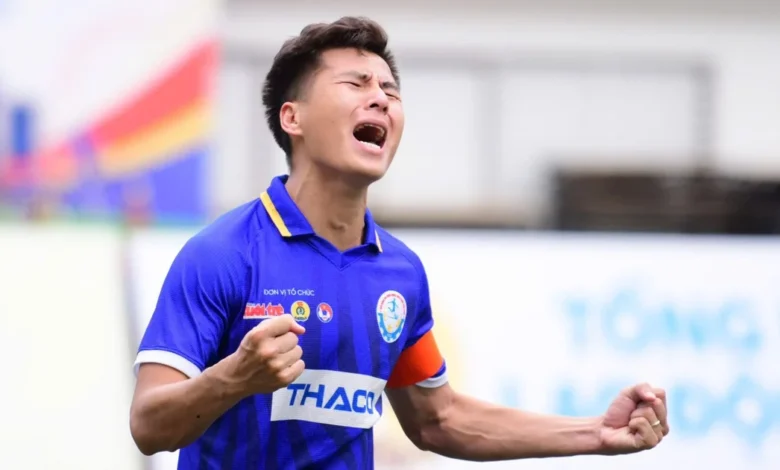
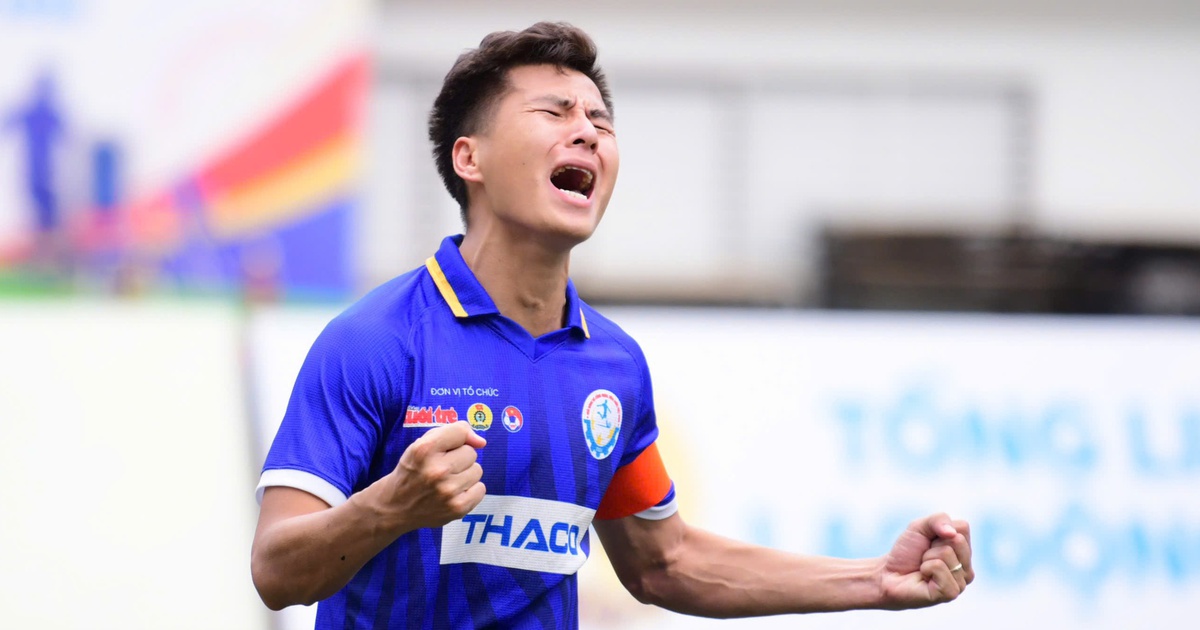
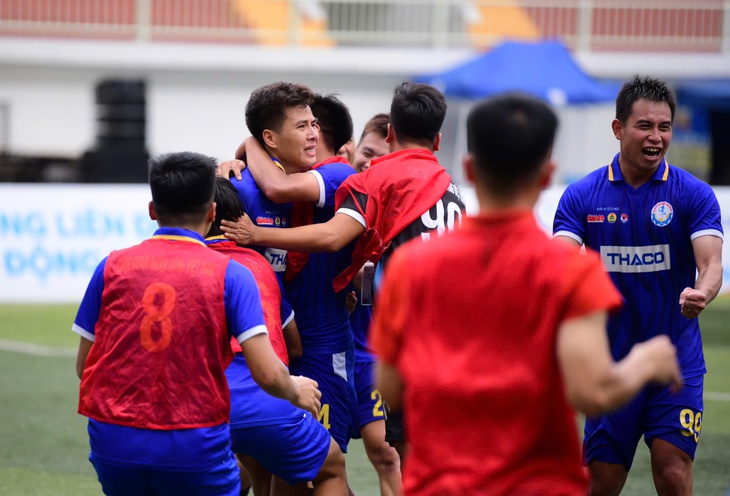
The penalty shootout proved to be a crucible of nerves and skill. For SACOMBANK, the pressure mounted as two of their key players, Huỳnh Long Mẫn and Nguyễn Thành Đạt, failed to convert their spot-kicks. CĐNHVN, on the other hand, displayed remarkable composure, with only one missed attempt. The decisive moment arrived when Nguyễn Anh Sơn stepped up for CĐNHVN, coolly dispatching his penalty to seal a memorable 4-3 victory in the shootout, sending his team into jubilant celebrations and marking a significant triumph over their rivals.
SACOMBANK’s Title Defence Ends
The defeat signals the end of SACOMBANK’s quest for back-to-back national titles. As the defending champions, their elimination at the semifinal stage is undoubtedly a bitter pill to swallow. Despite their valiant efforts and a dramatic comeback in regular time, they were unable to replicate their penalty shootout success from the previous year. SACOMBANK will now compete in the third-place playoff, an outcome that, while still offering a podium finish, falls short of their ultimate ambition. Their journey in the tournament underscored the unpredictable nature of knockout football and the ever-increasing standard of competition.
Road to the Final: CĐNHVN’s Journey Continues
For the Vietnam Bank Union, the victory is a sweet taste of revenge and a testament to their sustained efforts throughout the tournament. Their progression to the national final positions them as a strong contender for the coveted championship title. They will now face the winner of the other semifinal match, which pits Công Đoàn Đồng Nai 4 against Công Đoàn Thành Thắng Thăng Long TP.HCM. This sets the stage for what promises to be another thrilling encounter as CĐNHVN aims to etch its name in the tournament’s history as national champions. The team’s performance, particularly their ability to maintain composure during the high-stakes penalty shootout, suggests they are well-prepared for the ultimate challenge.
The Vietnam Workers and Public Officials Football Tournament 2026: Background and Significance
The Vietnam Workers and Public Officials Football Tournament is a cornerstone event in the national sporting calendar, dedicated to promoting physical well-being, cultural enrichment, and unity among the country’s vast workforce. Initiated and organized by the Vietnam General Confederation of Labour, in collaboration with Tuổi Trẻ Newspaper and the Vietnam Football Federation, the tournament serves as a vital platform for employees from various sectors to engage in competitive sports.
Now in its fourth consecutive season, the 2026 edition has witnessed unprecedented growth, both in scale and prestige. A remarkable 48 football teams from across the nation participated, reflecting the tournament’s widespread appeal and its success in fostering a vibrant sports movement. The event is more than just a football competition; it is a celebration of camaraderie, teamwork, and healthy living, directly contributing to the government’s broader initiatives for public health and community development. The tournament’s enduring popularity underscores the importance of such initiatives in enhancing the quality of life for workers and public officials, offering a recreational outlet that transcends daily work routines.
The journey to the national final round involved intense regional qualifiers held in major cities such as Hanoi and Ho Chi Minh City. These preliminary stages brought together teams from diverse backgrounds, each battling for one of the coveted 16 spots in the national finals. The regional rounds not only identified the strongest teams but also ignited local enthusiasm and fostered a sense of regional pride, building momentum for the grand finale. The national final round, where CĐNHVN secured their spot, is taking place from July 16 to July 19, 2026, at the modern facilities of Tôn Đức Thắng University Stadium in Ho Chi Minh City, a venue renowned for hosting high-profile sporting events.
A Legacy of Support: Key Sponsors and Their Impact
The sustained success and growing prominence of the Vietnam Workers and Public Officials Football Tournament owe much to the unwavering support of its sponsors. For the fourth consecutive year, THACO Group, a prominent Vietnamese conglomerate, has proudly served as the diamond sponsor. THACO’s long-term commitment highlights a strong corporate social responsibility ethos, emphasizing the importance of employee well-being and community engagement.
Beyond THACO, a consortium of other esteemed partners has contributed significantly to the tournament’s reach and impact. These include Revive Sports Drink, a brand synonymous with hydration and active lifestyles; Đông Lực Sports Group, a leading provider of sports equipment; Vietnam Cable Television (VTVcab) and FPT Television Co., Ltd. (FPT Play), both crucial for broadcasting and expanding the tournament’s audience; and numerous other businesses. Their collective sponsorship has been instrumental in elevating the tournament’s profile, ensuring its smooth operation, and, most importantly, amplifying its core values of humanistic spirit, solidarity, and community significance. Through their financial and logistical backing, these sponsors have not only provided essential resources but have also helped to widely disseminate the tournament’s positive message, inspiring more workers and public officials to participate in sports. The collaboration between organizers and sponsors creates a powerful synergy that benefits thousands of participants and spectators nationwide.
Financial Incentives and Recognition
To further incentivize participation and acknowledge outstanding performance, the Vietnam Workers and Public Officials Football Tournament 2026 boasts a substantial total prize fund of 900 million Vietnamese Dong (approximately $37,000 USD). This generous prize pool reflects the increasing professionalization and importance of the tournament within the corporate and public service sectors. The ultimate champions of the national final will receive a grand prize of 200 million Vietnamese Dong (approximately $8,200 USD), a significant reward that not only recognizes their athletic prowess but also provides a tangible benefit to the winning team and their respective organizations. Such financial incentives play a crucial role in motivating teams, fostering healthy competition, and showcasing the value placed on sportsmanship and achievement within the workforce.
Looking Ahead: The Grand Finale and Beyond
With CĐNHVN now confirmed for the final, anticipation is building for the culminating match of the tournament. The eventual winner of the CĐ Đồng Nai 4 vs. CĐ Thành Thắng Thăng Long TP.HCM semifinal will present a new challenge, each team bringing its own strengths and strategies to the grand stage. The final promises to be a showcase of top-tier amateur football, underscoring the depth of talent within Vietnam’s public and corporate sectors.
Beyond the immediate excitement of the final, the tournament’s implications extend further. It reinforces the growing trend of corporate and public sector entities investing in employee welfare through sports, recognizing that a healthy and engaged workforce is more productive and harmonious. The event also serves as a powerful networking opportunity, fostering stronger ties and understanding between different organizations and regions. As the tournament continues to grow in stature, it solidifies its position as a beacon for promoting an active lifestyle, community solidarity, and the overarching humanistic values that resonate deeply within Vietnamese society. The success of the 2026 edition sets a high bar for future tournaments, promising even greater participation and impact in the years to come.