Five Dead and Eight Hospitalized in Severe Biogas Poisoning Incident at Thanh Hoa Pig Farm

A catastrophic occupational accident involving toxic gas inhalation has claimed the lives of five workers and left eight others in critical condition at a large-scale livestock facility in central Vietnam. The incident, which occurred at a biogas waste treatment system operated by DABACO Co., Ltd. in Thach Quang Commune, Thach Thanh District, Thanh Hoa Province, underscores the lethal risks associated with agricultural waste management and the tragic consequences of instinctive, unprotected rescue attempts in confined spaces. According to reports from medical officials at the Bach Mai Hospital facility in Ninh Binh, the victims were exposed to high concentrations of hydrogen sulfide (H2S), a potent chemical asphyxiant often found in decomposing organic matter.
Detailed Chronology of the Tragedy
The emergency unfolded in the early hours of July 19, when a team of male employees, aged between 32 and 46, was performing duties near a manure storage tank. The structure was described by Dr. Nguyen Trung Nguyen, Director of the Poison Control Center at Bach Mai Hospital, as a confined concrete pit measuring approximately 2 meters by 2 meters, with a depth of 3 meters. Despite its significant volume, the opening of the tank was only about one meter wide, creating a perfect environment for the accumulation of heavy, toxic gases.
The tragedy began with a single misstep. A male employee reportedly slipped and fell into the biogas filtration tank, losing consciousness almost instantly upon inhaling the concentrated fumes at the bottom of the pit. In a desperate and instinctive reaction, his colleagues rushed to his aid. Lacking specialized breathing apparatus or safety harnesses, several workers either climbed into the tank or leaned deep into the opening to reach the fallen man.
This led to a phenomenon often referred to in industrial safety as a "chain accident." As each rescuer inhaled the air within the confined space, they succumbed to the gas, collapsing on top of one another. Out of the 13 people involved in the incident and the subsequent rescue attempts, five individuals were pronounced dead at the scene due to the extreme toxicity of the environment.
The rescue was eventually completed when two final workers, acting with slightly more caution, tied ropes around their waists and arms before descending. Even with this measure, they reported feeling immediate dizziness and nearly lost consciousness, but they were successfully pulled back to safety by those above. The eight survivors, including these rescuers and those who had been leaning over the pit, were rushed to the Bach Mai Hospital facility in Ninh Binh for emergency stabilization before being monitored by toxicology experts.
Medical Status of the Survivors
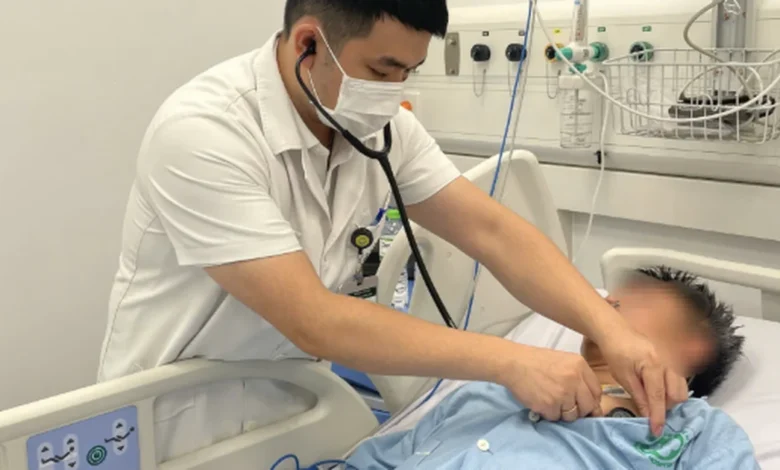
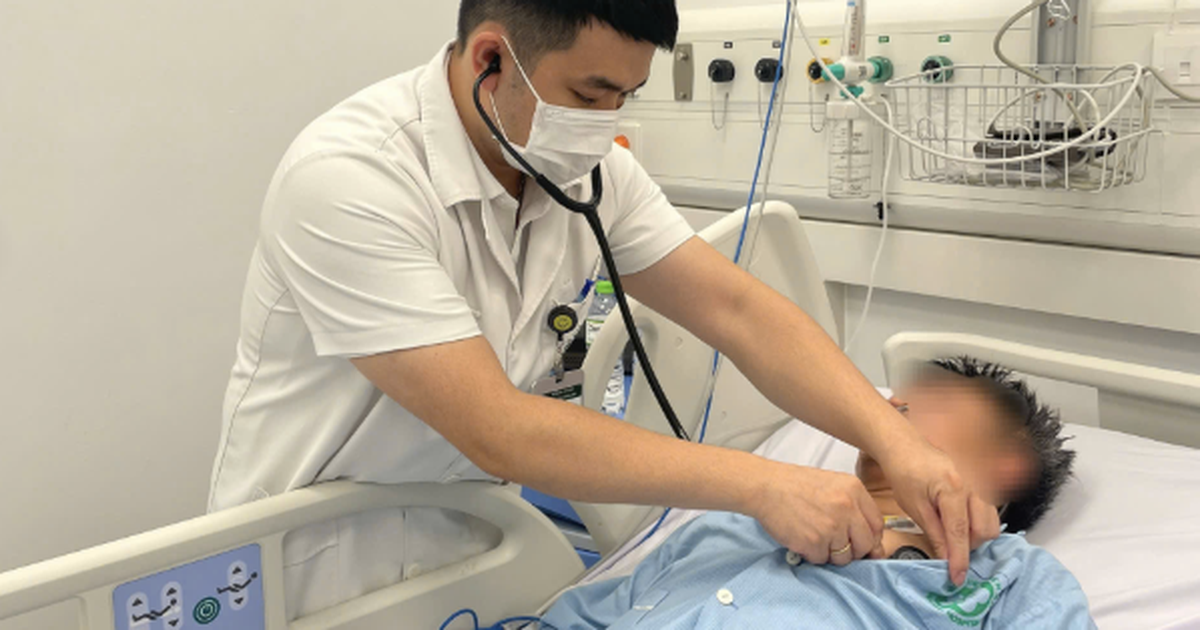
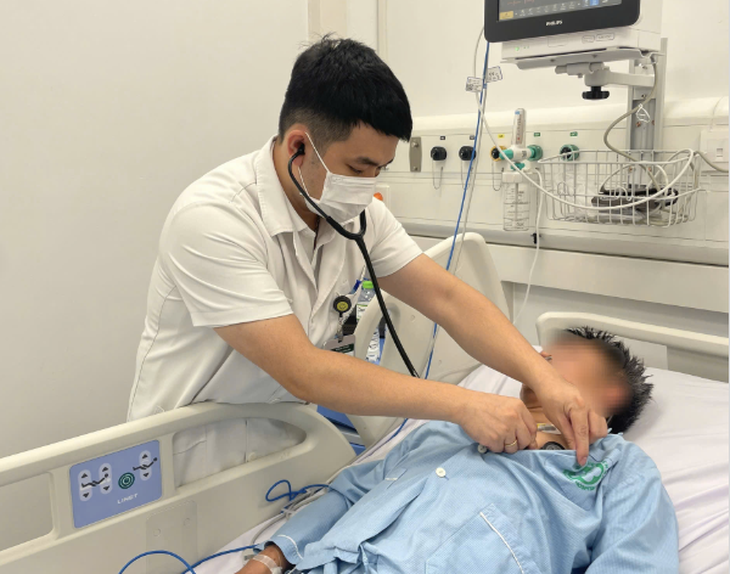
Upon admission to the hospital between midnight and noon on July 19, the eight surviving patients exhibited a range of alarming symptoms. While conscious, many suffered from severe headaches, respiratory distress, and visible irritation of the mucous membranes. Clinical examinations revealed conjunctival hyperemia (bloodshot eyes) and significant metabolic disturbances.
Medical experts noted that several patients were suffering from lactic acidosis—a buildup of acid in the bloodstream due to low oxygen levels in the tissues—and rhabdomyolysis, a condition where muscle tissue breaks down and releases a damaging protein into the blood, which can lead to kidney failure. Dr. Nguyen Trung Nguyen stated that these patients are currently under intensive observation at the Poison Control Center, as the long-term neurological and systemic effects of H2S poisoning can be profound.
The Science of a Silent Killer: Hydrogen Sulfide (H2S)
The primary culprit in this disaster, hydrogen sulfide, is a colorless gas known for its characteristic "rotten egg" odor at low concentrations. However, Dr. Nguyen warned that the gas is deceptive and becomes more dangerous as its concentration increases. At high levels, H2S causes "olfactory fatigue," paralyzing the olfactory nerve and rendering the victim unable to smell the gas at all. This leads to a false sense of security, where workers may breathe in lethal doses without realizing they are in danger.
H2S is often compared to cyanide in its mechanism of toxicity. It inhibits cellular respiration by binding to iron in mitochondrial cytochrome enzymes, effectively stopping the body’s cells from using oxygen. In high concentrations, it causes what is known as "slaughterhouse hammer syndrome," where a single breath can cause immediate collapse, respiratory paralysis, and death.
In the context of the Thanh Hoa incident, many mistakenly attributed the deaths to methane (CH4), which is the primary component of biogas. While methane is an asphyxiant that displaces oxygen, it does not possess the rapid chemical toxicity of H2S. In agricultural waste pits, the decomposition of high-protein animal waste by anaerobic bacteria naturally produces H2S, which, being heavier than air, settles in high concentrations at the bottom of tanks and pits.
Background: Biogas Safety in Vietnam’s Agricultural Sector
Vietnam has seen a significant shift toward biogas technology over the last decade as a means to manage waste from its massive livestock industry while generating renewable energy for farm operations. However, the rapid adoption of these systems has often outpaced the implementation of rigorous safety training for farm laborers.
Thanh Hoa, one of the country’s largest agricultural hubs, hosts numerous industrial-scale pig farms. The facility involved, managed by DABACO—a major player in Vietnam’s multi-sector economy specializing in animal feed and livestock—is part of a modern supply chain. Despite the industrial nature of these farms, the risks of the "manure pit" remain a global challenge. Similar accidents are reported annually in the United States and Europe, highlighting that without strict confined-space protocols, even modern facilities can become death traps.
The lack of specialized equipment, such as gas detectors and self-contained breathing apparatus (SCBA), at the site of the accident suggests a critical gap in emergency preparedness. In rural areas, the "heroic rescue" instinct often overrides safety logic, leading to multiple fatalities from a single initial accident.
Official Responses and Safety Recommendations
Local authorities in Thanh Hoa have launched an investigation into the safety standards maintained at the DABACO farm. In the wake of the tragedy, the Bach Mai Poison Control Center has issued an urgent set of recommendations for the public and the agricultural community to prevent further loss of life.
- Strict Confined Space Protocols: No individual should ever enter a biogas tank, manure pit, or sewage line without professional ventilation and gas testing. These areas must be treated as "immediately dangerous to life or health" (IDLH).
- Ventilation Before Entry: If entry is absolutely necessary, mechanical ventilation (industrial fans) must be used to flush the area with fresh air for an extended period.
- Mandatory Safety Gear: Entry must only be performed by personnel wearing oxygen-supplied masks (not simple filter masks, which are ineffective against H2S) and safety harnesses connected to a tripod or a person outside the pit.
- The "Golden Hour" of Rescue: In gas poisoning cases, every second counts. However, rescuers must not become victims themselves. The medical community emphasizes that a rescue without equipment is not a rescue, but a suicide mission.
- Detection: Large farms are encouraged to invest in portable H2S detectors that provide audible alarms when gas levels exceed safe limits.
Broader Implications for Occupational Health
This incident serves as a grim reminder of the vulnerabilities faced by workers in the agricultural and waste management sectors. The loss of five lives in a single evening is one of the most severe industrial accidents in the region in recent years. It calls for a nationwide review of safety regulations governing the maintenance of biogas and waste treatment facilities.
As the eight survivors continue their recovery, the focus shifts to the psychological impact on the community and the legal accountability of the operating company. For the families of the five deceased, the tragedy is a stark illustration of the hidden dangers in the infrastructure that powers modern agriculture. The "slaughterhouse hammer" of H2S has once again proven that in the absence of stringent safety culture, the very systems designed to manage waste and produce energy can instead produce catastrophe.