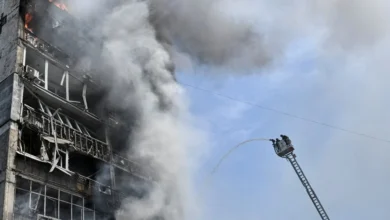
The escalating confrontation between the United States and Iran has reached a critical juncture, marked by tit-for-tat escalations that analysts warn could spiral beyond containment. Recent actions have seen the US conduct airstrikes on critical supply routes and target a number of Iranian-backed facilities, prompting swift retaliation from Iran. In a significant move, Iran has reportedly launched strikes against US positions in Syria and Iraq, with early reports indicating substantial damage in Kuwait and Jordan. This cycle of aggression has heightened anxieties among international observers and regional powers alike, with concerns growing that the current trajectory could draw neighboring nations into a wider, destabilizing conflict.
Deepening Crisis: A Cycle of Retaliation
The current bout of heightened tensions between Washington and Tehran is not an isolated incident but rather a dangerous amplification of a long-standing geopolitical rivalry. The immediate catalyst appears to be a series of alleged Iranian provocations, including attacks on shipping in the Strait of Hormuz and alleged backing of proxy groups targeting US interests in the region. In response, the United States has demonstrated a calibrated but firm approach, aiming to deter further aggression without initiating a full-scale war. However, the retaliatory measures taken by Iran, specifically targeting US assets and allies in Syria and Iraq, represent a significant shift in the dynamics of the conflict.
The reported Iranian strikes, if confirmed to be as extensive as initial reports suggest, carry profound implications. The targeting of facilities in countries like Kuwait and Jordan, which have historically maintained a delicate balance in their foreign policy, could force them to take sides, thereby expanding the geographical scope of the conflict. This escalation also carries the risk of drawing in other regional players. Analysts have expressed concerns that the conflict could spill over into neighboring countries like Israel, potentially igniting a broader regional conflagration. Furthermore, Iran’s alleged cooperation with Houthi rebels in Yemen to disrupt maritime trade in the Red Sea poses a significant economic threat to global supply chains, adding another layer of complexity to an already volatile situation.
Strategic Considerations and Potential US Responses
In the face of Iranian aggression, the United States is reportedly considering a range of responses, with a focus on strategic deterrence and preventing further escalation. While maintaining a stance of de-escalation, the Pentagon is said to be exploring options that would signal a strong resolve without triggering an all-out war. President Donald Trump has reportedly been briefed on potential military actions, including the possibility of targeting key Iranian logistical hubs.
One such area under consideration is the Kharg Island terminal, a critical oil export facility for Iran. The potential for an airstrike on Kharg Island has been described by experts as a high-risk, high-reward gambit. While it could significantly disrupt Iran’s oil revenue and cripple its ability to fund its regional activities, it also carries the substantial risk of a devastating Iranian counter-response, potentially targeting US allies or interests across the Middle East. This strategic dilemma underscores the precariousness of the current situation, where any miscalculation could have severe and far-reaching consequences. The debate within the US administration is likely centered on finding a balance between projecting strength and avoiding a direct military confrontation that could engulf the region in a wider conflict.
Background Context: A History of Friction
The current US-Iran standoff is rooted in decades of animosity, dating back to the 1979 Iranian Revolution and the subsequent hostage crisis. The two nations have been engaged in a proxy war for years, with Iran supporting various militias and political factions across the Middle East, and the US countering these efforts through sanctions, diplomatic pressure, and occasional military interventions. The Obama administration’s Iran nuclear deal, aimed at curbing Tehran’s nuclear program in exchange for sanctions relief, was a significant diplomatic effort to de-escalate tensions. However, the Trump administration’s withdrawal from the deal in 2018 and the reimposition of stringent sanctions have led to a renewed surge in hostilities.
The assassination of Qasem Soleimani, a highly influential Iranian general, in a US drone strike in January 2020, was a major turning point, leading to Iran’s retaliatory missile attacks on US bases in Iraq. This event significantly heightened the risk of direct military conflict. The current escalation, therefore, can be seen as a continuation of this ongoing struggle for regional influence and a testament to the deep-seated mistrust between the two powers.
Timeline of Recent Escalations (Hypothetical Reconstruction based on typical patterns)
While specific dates for the most recent events are not detailed in the provided snippet, a typical escalation pattern might involve the following:
- Early Phase: Allegations of Iranian-backed attacks on international shipping and US interests in the region. Diplomatic condemnations and increased naval presence by the US in the Persian Gulf.
- Mid Phase: US response with targeted airstrikes on specific Iranian-backed facilities or infrastructure in Syria and Iraq. These strikes are often described as defensive or retaliatory.
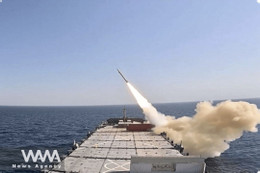
- Immediate Response: Iran retaliates with strikes on US positions or allied interests within the region, potentially in Syria, Iraq, or even targeting infrastructure in neighboring countries like Kuwait or Jordan, as suggested by the report. This could involve drone attacks, missile strikes, or cyber warfare.
- Analysis and Counter-Analysis: International bodies and analysts begin to assess the damage, casualties, and the potential for further escalation. Diplomatic channels are likely activated to prevent further escalation, though with limited success given the current climate.
Ukraine’s Military Leadership Shake-Up Amidst Ongoing Conflict
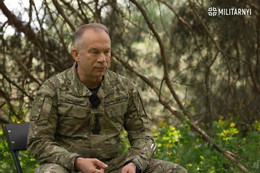
In a separate but significant development, Ukrainian President Volodymyr Zelensky has made a high-level change in his military command. On July 22nd, President Zelensky announced the dismissal of General Oleksandr Syrskyi from his position as Commander-in-Chief of the Armed Forces of Ukraine. General Mykhailo Drapatyi has been appointed to replace him.
While acknowledging Syrskyi’s contributions, particularly in the counter-offensive operations in Kharkiv and the defense against Russian advances in Kursk, President Zelensky expressed his gratitude for his service. The decision to replace the top military leader comes at a critical juncture in Ukraine’s ongoing defense against the Russian invasion. General Drapatyi, described as a highly respected and capable commander, at 43 years old, is considered one of the most effective leaders within the Ukrainian military. His appointment signals a potential shift in strategic direction or a desire for fresh leadership to navigate the complexities of the protracted conflict.
This leadership change follows closely on the heels of other significant reshuffles within Ukraine’s defense apparatus, indicating a period of strategic reassessment. The timing of this decision, immediately after reports of other high-ranking officials being dismissed due to disagreements or failures to achieve strategic objectives, suggests a broader effort to consolidate command and ensure unified action in the face of continued Russian aggression. The effectiveness of General Drapatyi in his new role will be closely watched by both allies and adversaries.
Trump Endorses FIFA President for UN Secretary-General
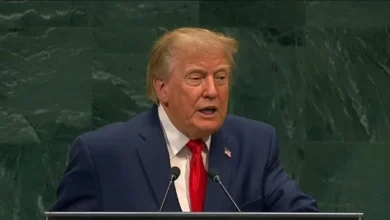
In an unexpected move, former US President Donald Trump has publicly endorsed FIFA President Gianni Infantino for the position of United Nations Secretary-General. Trump stated his belief that Infantino possesses the global stature and influence necessary to foster international cooperation and bridge divides between nations. He specifically highlighted Infantino’s track record in leveraging sports diplomacy to build relationships, suggesting that such skills would be invaluable in the complex geopolitical landscape of the UN.
Infantino’s potential candidacy is seen by Trump as a significant upgrade from the current Secretary-General, Antonio Guterres, whose term is nearing its end. The endorsement suggests that Trump views Infantino as a strong candidate capable of navigating international relations through a unique lens – that of global sports. Infantino has cultivated a close relationship with Trump, particularly during the lead-up to the 2026 World Cup. This relationship, coupled with Infantino’s prominent role in international football governance, has likely fueled Trump’s support for his potential leadership at the UN.
The process for selecting a new UN Secretary-General typically involves nomination by member states and a recommendation by the Security Council, followed by confirmation by the General Assembly. Infantino would face competition from other potential candidates, and his path to the position would likely involve extensive diplomatic maneuvering and securing broad international support. His potential appointment could signal a new approach to multilateral diplomacy, one that emphasizes soft power and the unifying potential of global events. The UN leadership transition is expected to be a significant diplomatic event in the coming years, with various candidates vying for the influential role.