The Uncertain Future of the DC Universe Following the Departure of CEOs James Gunn and Peter Safran

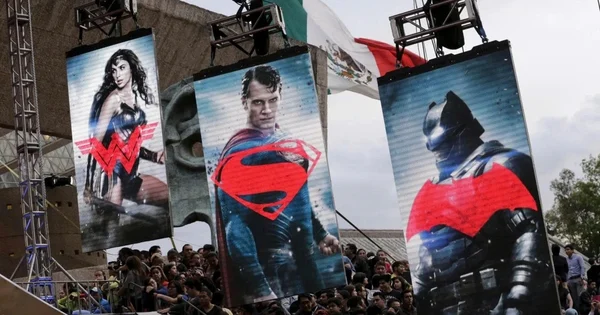
The landscape of DC Studios is bracing for a significant period of transition as the four-year tenure of co-CEOs James Gunn and Peter Safran officially concludes. Following the recent leadership shake-up, the studio has announced that former Marvel producer Jeremy Latcham will step into the dual role of chairman and head of creative, effective December 1, 2026. This administrative pivot, occurring shortly after the acquisition of Warner Bros. Discovery, has cast a shadow of uncertainty over the ambitious, long-term roadmap previously established for the DC Universe (DCU). While major tentpole projects involving iconic characters like Superman and Batman remain on the release schedule, the status of wider franchise expansions, including Justice League, Wonder Woman, and several spin-off series, currently hangs in the balance.
A Period of Strategic Realignment
James Gunn and Peter Safran were initially brought on board to revitalize the DC brand, with the explicit mandate of creating a cohesive, interconnected cinematic universe capable of rivaling the commercial dominance of the Marvel Cinematic Universe (MCU). Their strategy involved a "reset" of the existing DC Extended Universe (DCEU), aiming to prune fragmented timelines and establish a fresh continuity centered on a new generation of performers.
However, the box office performance during their tenure proved to be a complex variable. While Gunn’s Superman reached a respectable global gross of $618 million, other projects failed to meet the studio’s internal financial projections. Supergirl, for instance, returned only $126 million against a reported production budget of $170 million, highlighting the volatility of the current superhero market. Even lower-budget projects like Clayface struggled to capture sustained momentum, grossing $109 million. These fiscal results, coupled with the shifting priorities of the parent company post-acquisition, likely contributed to the decision to transition to a new executive leadership team.
The Status of Tentpole Projects
Despite the leadership shift, the studio appears committed to maintaining the momentum of its primary heavy hitters to ensure short-term stability.
Man of Tomorrow, the direct sequel to James Gunn’s Superman, remains the most concrete project on the horizon. Scheduled for release on July 9, 2027, the film has already concluded principal photography. The project features David Corenswet reprising his role as the Man of Steel, with Nicholas Hoult set to return as the antagonist Lex Luthor and Lars Eidinger joining the cast as Brainiac. Given the production stage, it is highly probable that this film will proceed as planned, serving as the cornerstone of the current DCU architecture.
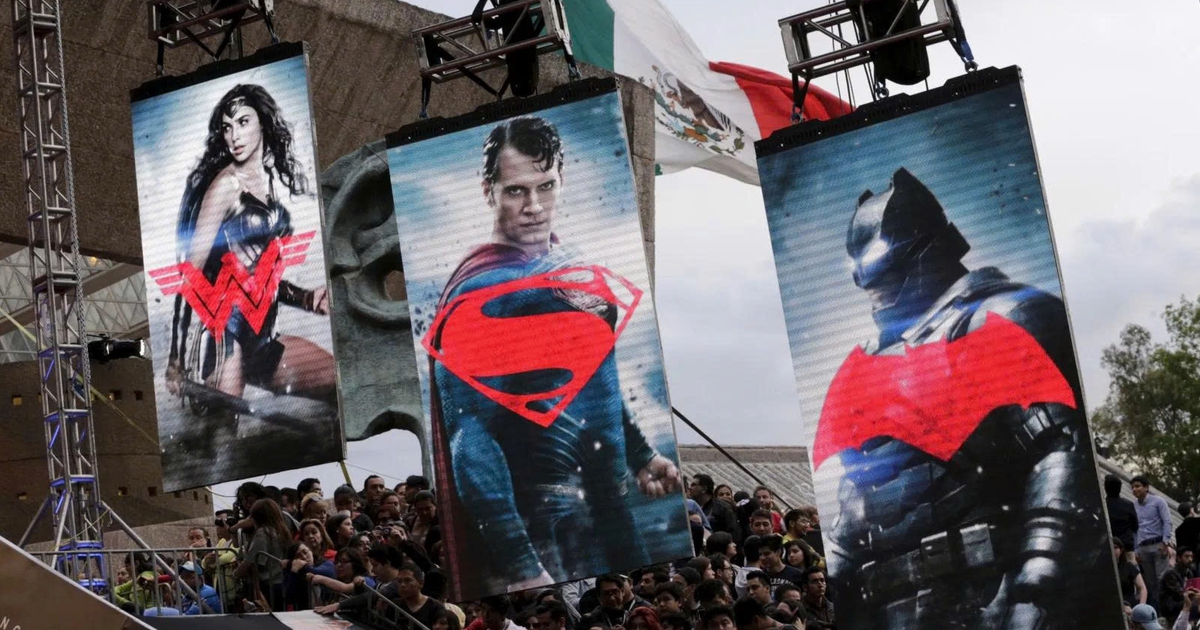
Batman’s future is more complex, as the studio is currently managing two distinct cinematic interpretations. Robert Pattinson’s The Batman: Part II, which falls under the "Elseworlds" label—a standalone continuity separate from the primary DCU—is slated for a February 18, 2028 release. While filming is underway, the project has faced multiple delays, raising questions about long-term scheduling. Simultaneously, the DCU-integrated The Brave and the Bold remains in development. This film, intended to explore the dynamic between Bruce Wayne and his son, Damian Wayne (the future Robin), was originally targeted for 2029. Whether Jeremy Latcham chooses to maintain this dual-Batman strategy or pivot to a more consolidated approach remains a subject of intense speculation among industry analysts.
The Wonder Woman Dilemma and Franchise Expansion
One of the most notable casualties of the transition period is the lack of clarity surrounding Wonder Woman. Under the previous administration, a standalone film was in early development, though no lead actress or release date was ever confirmed. Reports from the Wall Street Journal suggest that the character was intended to make her debut within the primary DCU through an appearance in Man of Tomorrow. However, with the departure of Gunn and Safran, the long-term feasibility of a standalone Wonder Woman franchise under the new regime is currently unclear.
The broader scope of the DCU, which once included a vast array of interconnected spin-offs, is also undergoing a rigorous audit. The Authority, a project centered on a team of anti-heroic figures, has been placed on indefinite hiatus due to unresolved script requirements. Similarly, television projects such as Waller and Paradise Lost—the latter intended as a prequel to the world of Wonder Woman—have seen their development cycles stall. The project Booster Gold has been formally shelved, while the status of the Swamp Thing film, penned and directed by James Mangold, remains in a state of suspended animation.
Television and Streaming Strategy
On the small screen, the landscape is similarly fluid. The series Lanterns, starring Kyle Chandler and Aaron Pierre, is currently waiting on executive confirmation for a second season. Likewise, the status of the third season of John Cena’s Peacemaker is currently unverified.
Conversely, some projects appear to be safe from the immediate cull. The animated series Creature Commandos is confirmed for a second season slated for 2027, and the Superman spin-off The People v. Gorilla Grodd has been greenlit for an eight-episode run. These selections suggest that the new management may be prioritizing established animated or niche-appeal properties while re-evaluating the expensive, high-risk live-action serials.
Official Responses and Future Outlook
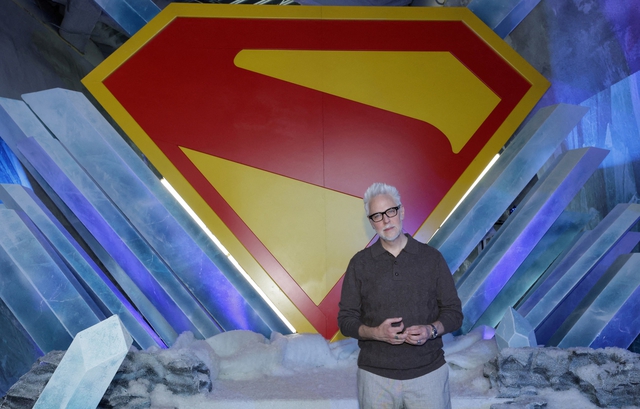
In his final statements as head of DC Studios, James Gunn expressed a desire to remain involved in future projects in a creative capacity, despite his exit from the executive suite. Gunn noted that he often found the corporate bureaucratic requirements of the CEO position to be at odds with the creative process. He also alluded to an undisclosed project he and Safran had been working on, hinting that his departure from the leadership role does not necessarily mean an end to his collaborative relationship with Warner Bros. Discovery.
For the incoming chair, Jeremy Latcham, the immediate challenge is one of brand identity. Latcham faces the task of determining how much of the "Gunn-Safran" roadmap is worth salvaging. His background in the Marvel ecosystem suggests a focus on character-driven narratives and long-term franchise synergy, which may align with the studio’s desire for stability. However, the lack of an immediate, comprehensive statement regarding the future of the DCU suggests that Latcham is currently conducting a thorough internal review of the studio’s assets.
Broader Industry Implications
The leadership turnover at DC Studios reflects a broader trend in the entertainment industry, where major studios are increasingly sensitive to the "superhero fatigue" reported by analysts and the diminishing returns of traditional cinematic universe models. The transition from Gunn and Safran to Latcham is not just a change of personnel; it is a signal that the studio is willing to pivot its strategy to match the current economic reality of the film industry.
As of November 2026, the absence of a clearly defined, long-term slate beyond the confirmed 2027 and 2028 releases creates a "wait-and-see" environment. For fans and investors alike, the next few months will be critical. The studio is expected to provide more concrete details regarding its long-term goals and the fate of the various paused projects in early 2027. Until then, the DC Universe exists in a state of profound transition, caught between the ambitious visions of its past leaders and the pragmatic, as-yet-unrevealed strategy of its future.
The ultimate success of this transition will depend on whether the studio can strike a balance between maintaining the high production values associated with the DC brand and ensuring that the narrative arcs are financially sustainable. With Superman serving as the bridge between the old and the new, the industry will be watching closely to see if Latcham can stabilize the ship or if the studio will require a further, more radical restructuring to find its footing in an increasingly competitive global marketplace.