As autumn firmly establishes its presence across Vietnam, regional weather patterns are undergoing a distinct seasonal transition, bringing clear blue skies and rising temperatures to the northern provinces, while the southern regions continue to grapple with heavy afternoon downpours and significant tidal surges. Meteorological authorities have issued detailed forecasts highlighting the stark contrast in climatic conditions from the capital in the north down to the bustling metropolitan hub of Ho Chi Minh City in the south.
Northern and Central Regions Enjoy Stable Autumn Sunshine
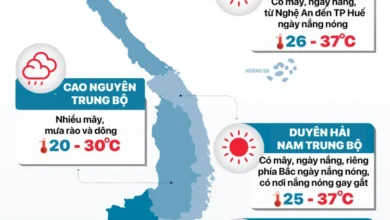
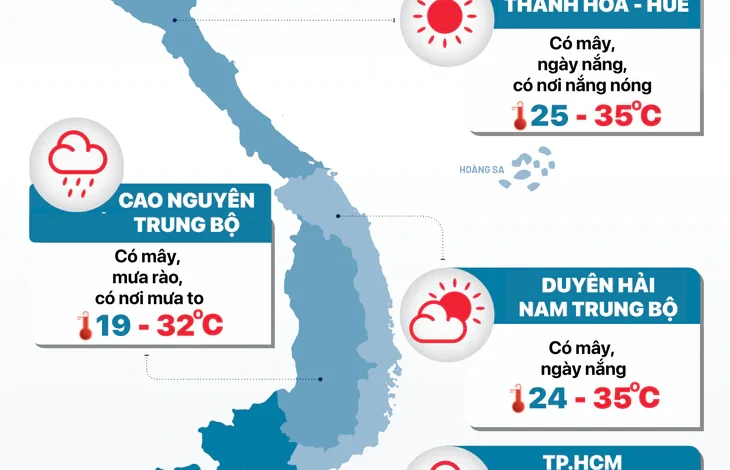
According to the National Center for Hydro-Meteorological Forecasting, conditions across Northern Vietnam, extending southward from Thanh Hoa to the ancient capital of Hue, are characterized by stable atmospheric pressure, allowing ample sunshine to dominate the daytime hours. Residents in Hanoi and surrounding northern provinces can expect pleasant morning conditions giving way to warm afternoon temperatures, with daytime highs consistently hovering between 33 and 35 degrees Celsius.
This meteorological stability is driven by a continental high-pressure system that is gradually strengthening, suppressing cloud formation and pushing humidity levels down to comfortable margins during the peak heating hours of the day. Coastal areas along the North-Central coast are experiencing similar conditions, providing favorable weather for outdoor commerce, agricultural harvesting, and regional tourism. However, meteorologists advise citizens working outdoors during the peak sunshine hours between 11:00 AM and 3:00 PM to take adequate precautions against ultraviolet radiation and heat exhaustion, as localized hot spells may push perceived temperatures even higher in urban concrete environments.
Further down the coastline, the Central Coast and the South-Central maritime provinces are enjoying stable, sunny weather, creating ideal conditions for beachgoers and coastal economic activities. Marine navigation in these sectors remains largely undisturbed by severe weather systems, allowing commercial fishing fleets and tourist excursions to operate on normal schedules.
Southern Vietnam and Central Highlands Face Afternoon Convection
In sharp contrast to the sun-drenched northern landscapes, the Central Highlands and Southern Vietnam continue to experience an active phase of the rainy season. Atmospheric instability, fueled by moist southwesterly winds and an active low-pressure trough, is triggering widespread cloud buildup during the morning hours, culminating in scattered to widespread rain showers and thunderstorms by the afternoon and evening.
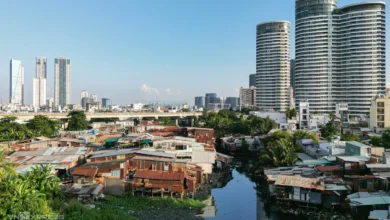
Forecasters warn that these convective storms can develop rapidly, bringing intense downpours to localized areas, particularly across the Mekong Delta and the eastern provinces of Southern Vietnam. Thunderstorms in these regions frequently carry severe secondary hazards, including dangerous lightning strikes, sudden gusts of wind, and occasionally small hail. Residents and commuters in major urban centers, notably Ho Chi Minh City, are urged to monitor real-time radar updates and prepare for localized street flooding that can disrupt evening rush-hour traffic.
The Central Highlands—including major tourist destinations such as Da Lat—are experiencing cooler ambient temperatures ranging from 19 to 22 degrees Celsius at night, while daytime highs reach up to 32 degrees Celsius. Despite the comfortable highland temperatures, afternoon downpours remain a daily fixture, presenting potential challenges for agricultural operations and regional transport routes susceptible to minor landslides or localized flash flooding.
High Tides Compound Weather Risks in Southern Coastal Zones
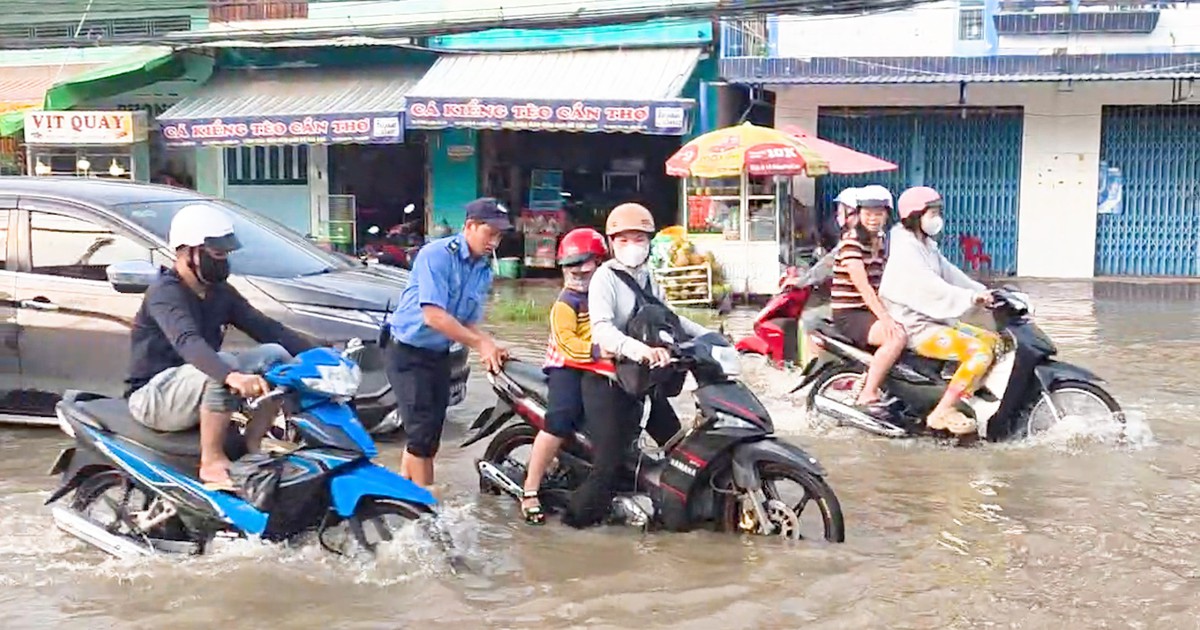
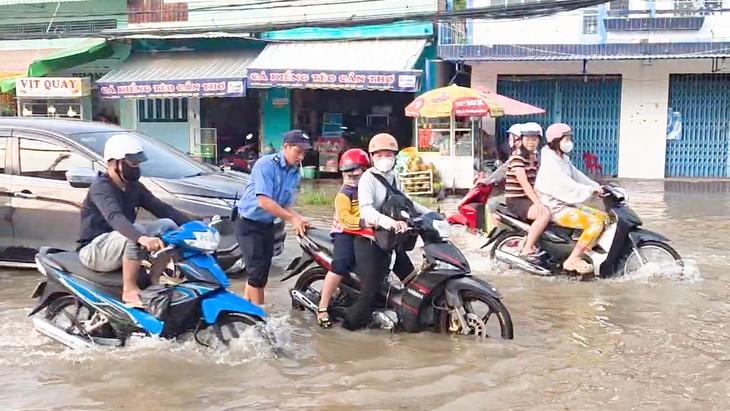
Adding to the meteorological challenges in Southern Vietnam, hydrological authorities have issued urgent warnings regarding a significant seasonal astronomical high tide cycle currently affecting low-lying coastal areas, riverbanks, and urban canals. The convergence of heavy afternoon rainfall and peak tidal levels is severely impeding the natural drainage capacity of local river systems and municipal stormwater networks.
Hydro-meteorological monitoring stations indicate that water levels in key waterways surrounding Ho Chi Minh City and the broader southern delta are peaking during two distinct daily windows: early in the morning between 2:00 AM and 4:00 AM, and again in the afternoon between 2:00 PM and 4:00 PM. During these critical intervals, vulnerable low-lying neighborhoods, riverside thoroughfares, and poorly drained urban intersections face a high risk of tidal inundation, with water depths expected to breach street levels significantly in certain districts.
Beyond urban flooding, marine authorities have highlighted the secondary danger of strong, swift-moving water currents generated as the massive volumes of water rapidly recede during the ebb tide. These powerful currents pose a severe safety hazard to maritime navigation, commercial shipping lanes, port logistics, and coastal tourism activities. Port operators, vessel captains, and beach management teams, particularly those overseeing access channels and popular swimming zones, have been placed on high alert to prevent accidents involving commercial vessels and recreational beachgoers.
Detailed Regional Weather Breakdown
To assist the public in planning daily activities and mitigating potential weather-related disruptions, the National Center for Hydro-Meteorological Forecasting has released a comprehensive breakdown of regional temperatures and atmospheric conditions:
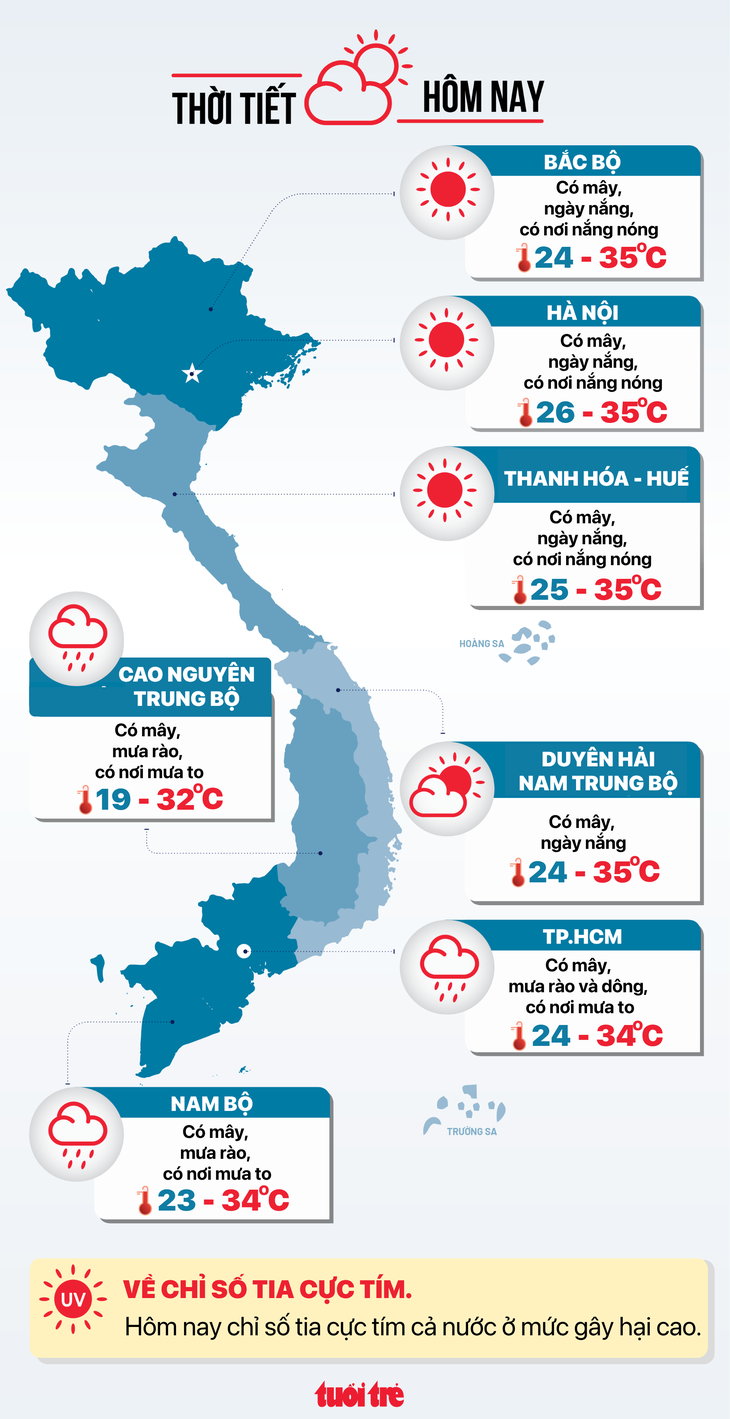
- Hanoi Capital: Partly cloudy with abundant sunshine throughout the day; localized hot spots during the afternoon. Minimum temperatures will range between 26 and 28 degrees Celsius, while maximum daytime temperatures are projected to reach 33 to 35 degrees Celsius.
- Northwestern Provinces: Generally clear to partly cloudy skies with sunny days and localized hot conditions in river valleys. Minimum temperatures span 24 to 28 degrees Celsius, with highs peaking at 32 to 35 degrees Celsius.
- Northeastern Provinces: Stable weather featuring sunny intervals and warm daytime temperatures. Lows will hover around 24 to 28 degrees Celsius, and highs will reach 32 to 35 degrees Celsius.
- Thanh Hoa to Hue: Clear skies and sunshine dominating the morning and early afternoon, accompanied by warm ambient temperatures. Minimums are forecasted at 25 to 28 degrees Celsius, with maximums between 32 and 35 degrees Celsius.
- South-Central Coastal Region: Mostly sunny with stable atmospheric conditions, favoring maritime and coastal activities. Lows will range from 24 to 27 degrees Celsius, and highs will reach 32 to 35 degrees Celsius.
- Central Highlands: Mild morning temperatures followed by significant cloud cover and afternoon rain showers, with some areas experiencing heavy downpours accompanied by thunderstorms. Minimum temperatures will drop to 19 to 22 degrees Celsius, while daytime highs will peak at 29 to 32 degrees Celsius.
- Southern Vietnam: Humid conditions with scattered clouds, transitioning to widespread rain and thunderstorms by the afternoon and evening. Minimum temperatures will register between 23 and 26 degrees Celsius, with maximums ranging from 31 to 34 degrees Celsius.
- Ho Chi Minh City: Variable cloud cover during the morning giving way to afternoon and evening rain showers, accompanied by localized heavy downpours and potential gusty winds. Temperatures will remain stable, with lows of 24 to 26 degrees Celsius and highs of 32 to 34 degrees Celsius.
Mitigation and Public Safety Recommendations
As Vietnam navigates this complex transitional weather phase characterized by sharp regional divides, disaster management agencies and local authorities are intensifying coordination efforts to safeguard communities. In the north, agricultural sectors are advised to capitalize on the stable sunshine for harvesting mature crops, while monitoring soil moisture levels.
Conversely, in the south, disaster response teams remain on standby to deploy mobile pumping units and clear drainage grates ahead of the predicted tidal peaks and heavy rainfall events. Citizens residing in flood-prone zones are encouraged to elevate valuable household items, secure electrical appliances, and exercise extreme caution when navigating inundated roadways.
Maritime operators across the southern coastal shelf and river mouths must strictly adhere to safety regulations, avoiding navigation through turbulent waters during peak tidal exchange periods. By maintaining heightened vigilance and staying informed through official meteorological updates, communities across both the northern and southern regions can effectively minimize risks and navigate the shifting autumn climate safely.