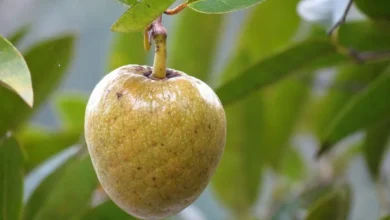
The Paradox of Binh Voi Stephania Rotunda: Protecting Vietnam’s Endangered Sedative Herb While Managing Wild Harvesting Pressures


The world of medicinal plants is rife with fascinating contradictions, none more striking than the status of Stephania rotunda, commonly known in Vietnam as củ bình vôi. According to the Vietnam Red Data Book 2007, this revered natural sedative is officially classified under the EN (Endangered) category, signaling an urgent need for conservation attention. Yet, despite its fragile status in the wild, it remains a cornerstone of traditional pharmacology and modern phytotherapy, creating a complex dilemma for botanists, conservationists, and healthcare practitioners alike.
Botanical Characteristics and the Anatomy of Extraction
Dr. Ngô Quốc Phương, Director of the Institute of Medicinal Materials, explains that Stephania rotunda possesses a uniquely formidable stem tuber that often develops to a massive scale, typically protruding partially above the surface of the soil. This tuber is the primary target for harvesters seeking to extract its therapeutic compounds, a process that requires completely unearthing and destroying the plant.
Unlike leafy herbs or plants that can be harvested superficially without killing the organism, gathering the medicinal properties of củ bình vôi demands the ultimate sacrifice of the plant itself. This destructive harvesting method, sustained over many decades without adequate replenishment, represents the single greatest pressure on natural wild populations. As older, larger tubers disappear from forests and limestone outcrops, the natural regenerative capacity of the species faces severe bottlenecks.

Pharmacological Significance: The Power of Rotundin
When discussing Stephania rotunda, researchers and traditional medicine practitioners immediately associate the plant with its profound reputation for supporting insomnia treatment and nervous system regulation. It stands as one of the most celebrated and historically utilized natural sedatives in Vietnam.
Through rigorous phytochemical analysis, modern scientists have successfully isolated numerous alkaloids from the tubers of Stephania rotunda. Among these, L-tetrahydropalmatin—commonly known as rotundin—has emerged as the most prominent and clinically valuable active compound. Rotundin has long been integrated into pharmaceutical preparations designed for its sedative, sleep-supporting, and mild analgesic properties. It offers a bridge between ancient herbal wisdom and contemporary pharmacology, providing patients with a reliable, plant-derived option for managing sleep disturbances and nervous tension without relying on harsher synthetic chemicals.
Misconceptions and the Risks of Uncontrolled Wild Foraging
Despite its established pharmaceutical benefits, a concerning trend persists among amateur foragers and self-medicating individuals. Some people stumble upon wild specimens of Stephania rotunda during outdoor excursions, digging them up to macerate in alcohol for tinctures or boiling them directly into crude decoctions. According to botanical and medical experts, this practice is entirely discouraged and fraught with health risks for several critical reasons.
First, Stephania rotunda belongs to the genus Stephania, a remarkably diverse group of climbing plants sharing highly similar morphological traits across various species. Not all plants featuring large tubers resembling củ bình vôi possess the same medicinal profile or safety margins. Mistaking a toxic or inactive relative for true Stephania rotunda can lead to severe adverse physiological reactions.

Second, the pharmacologically active components of củ bình vôi are potent alkaloids that act directly upon the central nervous system. This invalidates the dangerous folk misconception that "traditional herbal remedies can be consumed in any quantity without harm." Because these alkaloids exert powerful physiological effects, inappropriate dosages can lead to central nervous system depression, toxicity, and unintended side effects.
Third and most crucially, given that natural populations of Stephania rotunda are classified as endangered and require strict conservation, random wild harvesting accelerates the depletion of these fragile ecosystems. Encountering a large tuber in the wild should serve as a call for conservation rather than an invitation for immediate extraction.
Cultivation as a Sustainable Path Forward
Addressing the vulnerability of Stephania rotunda requires a fundamental shift in how raw materials are sourced. In recent years, forward-thinking agricultural initiatives have begun cultivating the plant in controlled environments across select regions of Vietnam. Although these cultivated areas remain modest in scale, agricultural experts emphasize that systematic cultivation represents the most viable path forward for the industry.
A rare or endangered medicinal plant does not mean it should never be used; rather, the solution lies entirely within the origin of the raw materials. By transitioning away from destructive wild-harvesting and toward sustainable, commercial-scale cultivation, Vietnam can protect its indigenous biodiversity while maintaining a steady supply of vital pharmaceutical ingredients. Horticultural research into optimal soil conditions, shade requirements, and tuber growth cycles is currently underway to increase crop yields and make cultivation economically attractive to local farmers.

Medical Caution: Treating Insomnia at Its Root
Beyond conservation concerns, medical professionals issue a strong reminder regarding the everyday use of củ bình vôi. Dr. Phương advises against treating the herb as a casual daily herbal tea to be consumed indiscriminately. Because the plant’s alkaloids possess genuine, potent pharmacological activity, both dosage and administration must be strictly controlled under professional medical supervision.
Insomnia itself is rarely a standalone condition; rather, it is a complex symptom rooted in a wide variety of underlying causes. Chronic or acute sleep disturbances can be triggered by psychological stress, anxiety, the consumption of stimulants such as caffeine and heavy teas, underlying medical pathologies, adverse side effects from prescribed medications, or primary circadian rhythm disorders.
Medical authorities stress that when individuals experience prolonged insomnia, the proper approach involves diagnosing and addressing the root cause rather than relying indefinitely on a single medicinal plant. Herbal sedatives like rotundin serve valuable roles as adjunctive therapies under clinical guidance, but they cannot replace a comprehensive medical evaluation for persistent sleep disorders.
Broader Implications for Vietnam’s Herbal Heritage
The conservation and management of Stephania rotunda reflect a broader challenge facing Vietnam’s rich botanical heritage. As global demand for natural health products, functional foods, and plant-derived pharmaceuticals surges, traditional medicinal plants face unprecedented commercial pressures.

Balancing economic development with ecological preservation requires coordinated action among government agencies, research institutions, pharmaceutical manufacturers, and local communities. Stricter regulatory enforcement against illegal wild harvesting, combined with financial incentives for sustainable farming cooperatives, will be essential in safeguarding endangered flora like Stephania rotunda for future generations. Only through a disciplined, science-based approach to both conservation and clinical application can Vietnam ensure that its botanical treasures endure as a sustainable pillar of national healthcare.