A Decade of Near Misses: The History of the Pursuit
The connection between Mauricio Pochettino and Manchester United is not a modern development; it is the culmination of ten years of mutual admiration and missed opportunities. The club’s board first identified the former Tottenham Hotspur manager as a prime candidate as early as 2014, following his impressive work in elevating the North London side.
Throughout his tenure at Spurs, and subsequently during his time at Paris Saint-Germain, Pochettino’s name was consistently linked to the managerial vacancy at Old Trafford. Each time the club faced a period of transition, his tactical philosophy—characterized by high-intensity pressing, a focus on youth development, and an emphasis on cohesive team identity—seemed to align perfectly with the traditional values of Manchester United. Yet, for various logistical and timing-related reasons, the two parties never formally converged until now. The landscape of the Premier League has changed dramatically over the last decade, and for United, the decision to finally appoint the 54-year-old reflects an acknowledgment that their previous attempts at "quick-fix" solutions have failed to yield sustainable success.
The Current Crisis at Old Trafford
The urgency of this appointment is rooted in a sustained period of underperformance that has seen Manchester United slide into a mid-table identity crisis. Under the previous regime, the team’s tactical structure appeared disjointed, with a lack of clear progression in both domestic and European competitions. The disappointment of the 2023 Europa League campaign, where the team suffered a demoralizing exit, served as a catalyst for deeper introspection within the club’s leadership.
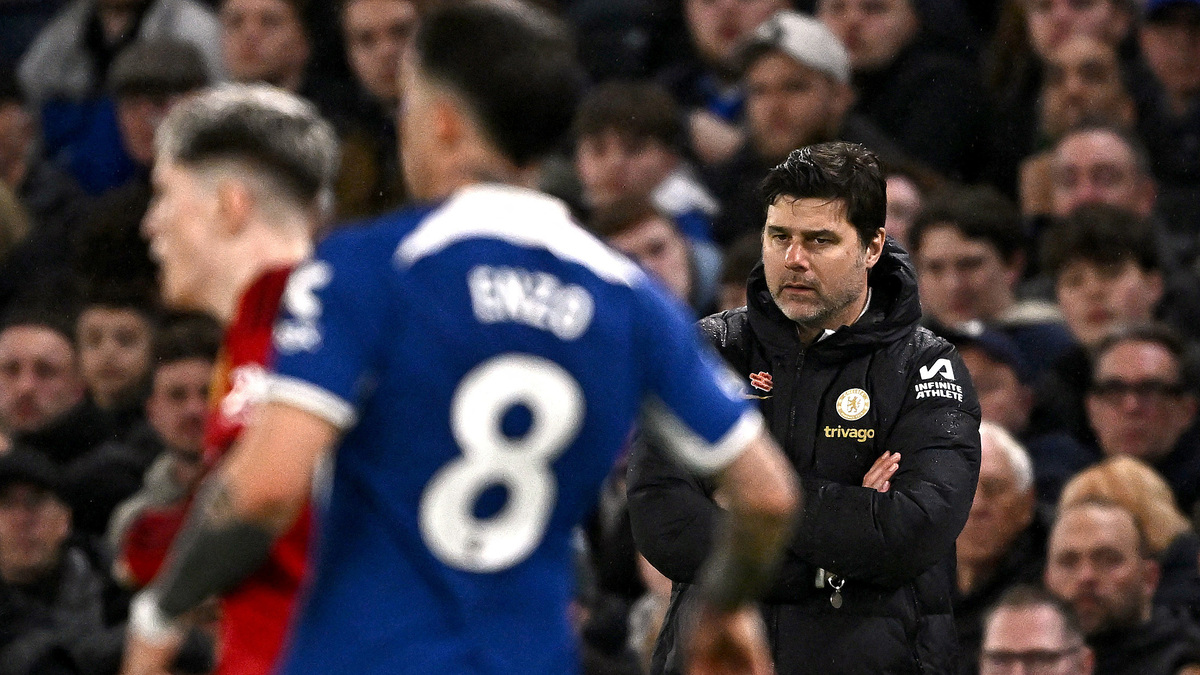
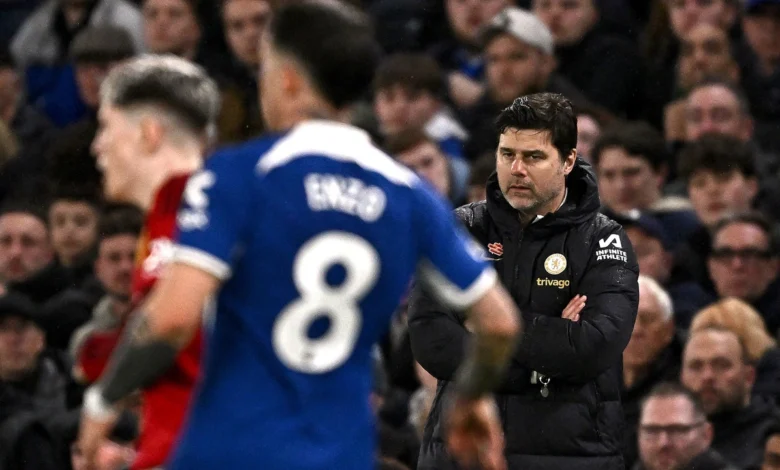
Statistical analysis of United’s performance during this era paints a bleak picture. In the years following the departure of Jose Mourinho, the team has struggled to maintain defensive stability or offensive consistency. The lack of a unified vision has led to a revolving door of managers, each bringing different philosophies that often conflicted with the existing squad composition. By the time the club reached the decision to part ways with the previous coaching staff, the need for a seasoned, experienced hand at the tiller was undeniable. Pochettino enters an environment that is not only physically demanding but psychologically fragile, requiring immediate stabilization to ensure the club does not drift further from the Champions League qualification spots.
Tactical Philosophy and the Pochettino Factor
Mauricio Pochettino brings a clear, evidence-based tactical framework to Manchester United. Unlike his predecessors, whose systems were often criticized for being overly reactive or tactically naive against high-pressing opponents, Pochettino’s approach is proactive. His emphasis on the "verticality" of play and his ability to maximize the output of young, athletic players are seen as assets for a squad that currently contains several high-potential talents struggling for form.
Beyond the pitch, Pochettino is recognized for his ability to cultivate a positive dressing room culture—a necessity at a club that has been plagued by internal power struggles and leaks to the press. His experience in managing high-profile personalities at PSG, combined with his deep understanding of the tactical nuances of the English game developed during his time at Tottenham and Chelsea, positions him as a candidate capable of navigating the high-pressure environment of the Premier League.
Chronology of the 2026 World Cup Impact
A unique aspect of Pochettino’s recent career is his leadership of the United States Men’s National Team (USMNT) during the 2026 World Cup. His time in charge of the American side provided a masterclass in crisis management. Amidst internal political pressure and intense media scrutiny, Pochettino remained focused on his tactical objectives, effectively shielding his players from the surrounding noise.
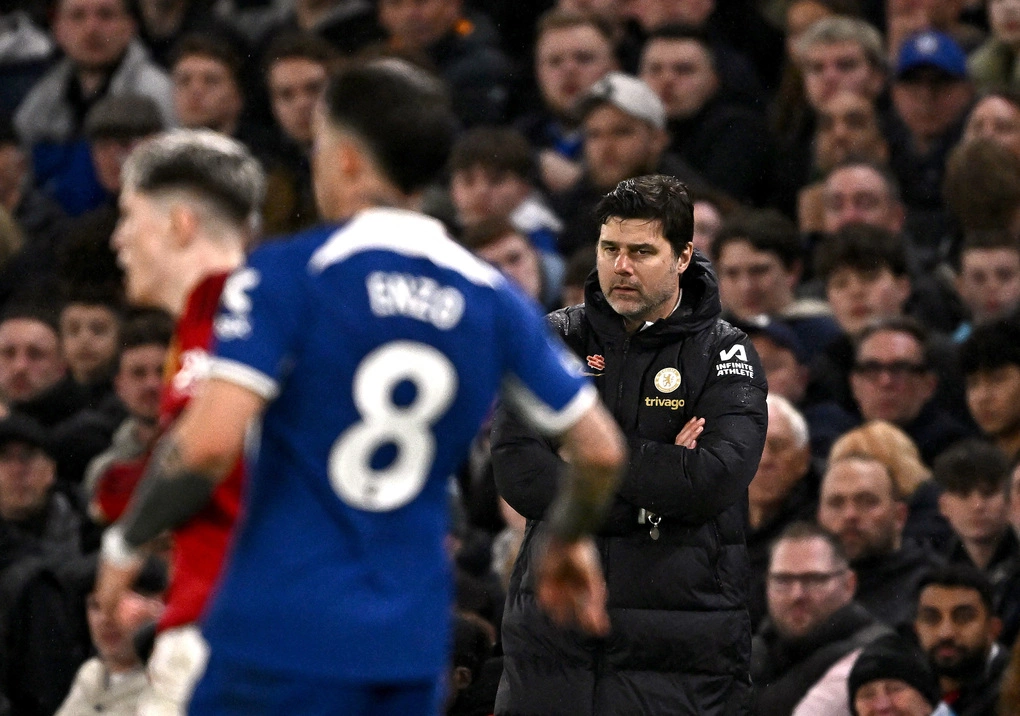
His ability to maintain professional detachment while delivering results under the watchful eye of a nation’s expectations suggests he is better prepared for the "fishbowl" of Manchester United than he might have been a few years ago. During the tournament, his team demonstrated resilience, tactical flexibility, and an ability to adapt to game-state changes—qualities that the Old Trafford faithful have been starved of for years. The transition from international football back to the daily rigor of a club season will be the first major hurdle, but it is one that his coaching staff is well-equipped to manage.
The Challenges Ahead: Restructuring and Recruitment
While the appointment of Pochettino has generated optimism, the practical challenges facing him are substantial. The current squad suffers from a lack of structural balance, with several high-earning players failing to deliver consistent performance levels. The club’s recruitment strategy, which has been criticized for being reactionary, will require a complete overhaul under the new manager’s guidance.
Pochettino is expected to collaborate closely with the club’s sporting director to identify key areas for reinforcement in the January transfer window. However, he must also manage the existing squad’s morale. The psychological scars of the past eighteen months run deep, and the initial training sessions will be vital in resetting the team’s collective mindset.
Furthermore, the pressure from the fans—who have grown increasingly vocal in their dissatisfaction with the club’s direction—will be immense. Pochettino’s reputation in England is built on his success with underdog squads, but he now faces the challenge of managing a global brand where winning is not merely a goal, but a prerequisite.
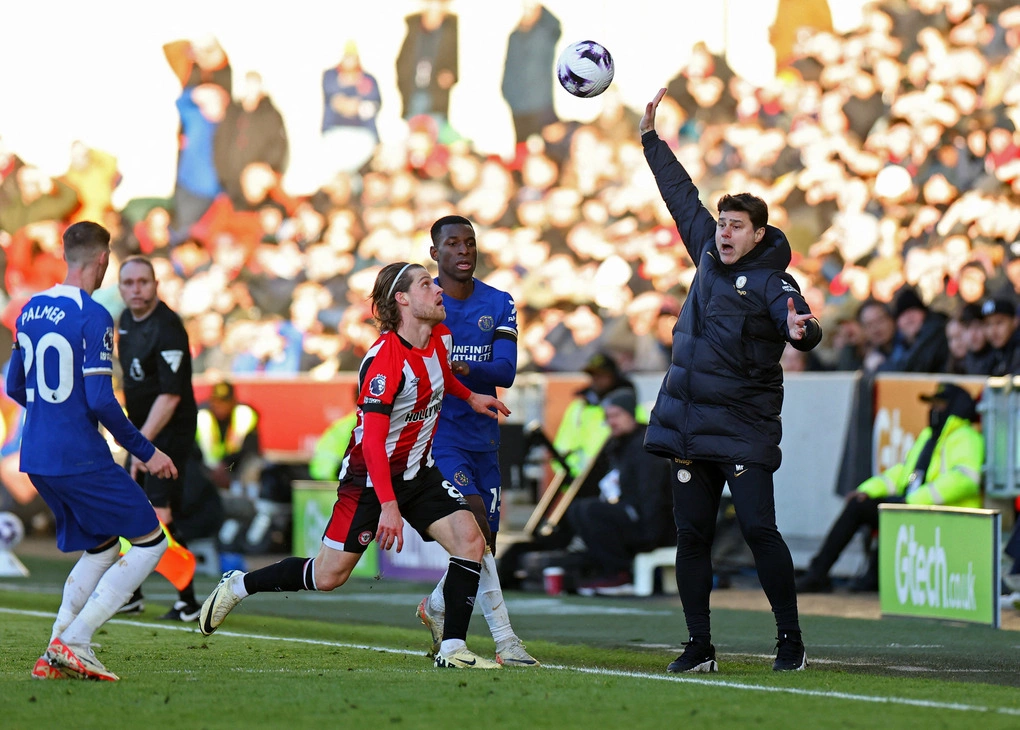
Official Perspectives and Market Reaction
While official statements from the club have focused on the "strategic vision" and "long-term commitment" involved in the appointment, industry analysts have been quick to point out the inherent risks. Sky Sports’ football desk noted that the board’s decision to commit to a four-year deal demonstrates a level of patience that has been missing from the club’s recent history.
"This is not a stop-gap appointment," noted one prominent analyst. "Pochettino is a high-profile name with a track record of building, not just buying. Whether the current administrative structure at Old Trafford allows him the autonomy to build that legacy remains the multi-million-pound question."
The reaction from the player group is also expected to be mixed. While those who thrive under high-intensity systems will welcome the change, others who have grown comfortable in a less rigorous training environment may find the transition difficult. However, the prevailing sentiment within the club is that the status quo was unsustainable.
Broader Implications for the Premier League
The return of Mauricio Pochettino to English football has broader implications for the league’s competitive landscape. With Manchester United potentially stabilizing, the race for the top four and the title will become even more crowded. His rivalry with managers like Pep Guardiola and Mikel Arteta, established during his previous stints in the league, adds a layer of tactical intrigue to the upcoming fixtures.
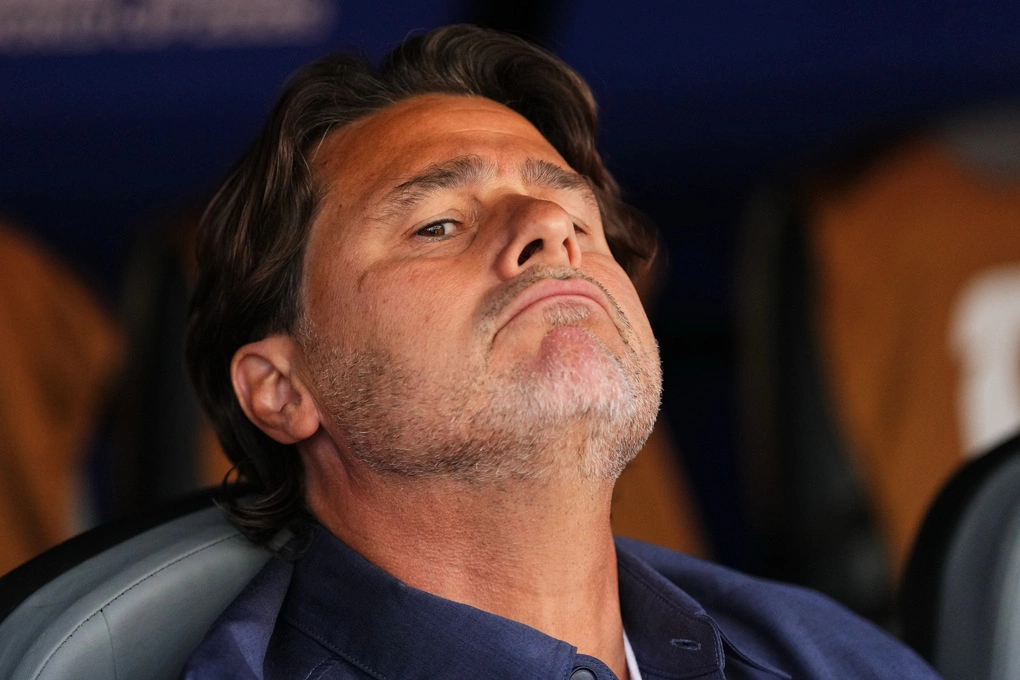
Furthermore, Pochettino’s appointment signals a shift in Manchester United’s approach to global management. By selecting a manager with deep Premier League experience and a proven, if sometimes polarizing, methodology, the club is effectively admitting that the experimental phase of the post-Ferguson era is over. The mandate is clear: restore the club to its rightful place at the pinnacle of the sport through disciplined, consistent, and innovative football.
The Path Forward: Defining Success
As the dust settles on this high-profile appointment, the focus must now shift to the pitch. The primary goal for the remainder of the 2026-2027 season is not necessarily to secure a trophy, but to restore the identity of the team. Fans are looking for a clear style of play, a commitment to high-energy football, and a squad that displays pride in the badge.
If Pochettino can achieve this, he will buy himself the time and support needed to undertake a deeper transformation. If he fails to implement his vision, he risks becoming the latest in a long line of casualties at the "Theater of Dreams." The synergy between the Argentine’s tactical mind and the historic weight of the club is either a match made in heaven or a recipe for further turbulence. Only time will tell if this long-awaited union will finally yield the success that both parties so desperately crave.
In the final analysis, Mauricio Pochettino’s arrival is the most significant tactical decision the club has made in recent memory. It is a bold move that acknowledges the gravity of the situation and the necessity for change. Whether he succeeds or fails, his tenure at Manchester United will be defined by his ability to bridge the gap between the club’s illustrious past and its uncertain future. For now, the narrative at Old Trafford is one of renewed hope, tempered by the sobering reality of the work that lies ahead.