From V-League Star to Class Leader: Nguyen Van Quyet Takes a Bold Step Into Coaching Pedagogy at Lach Tray Stadium

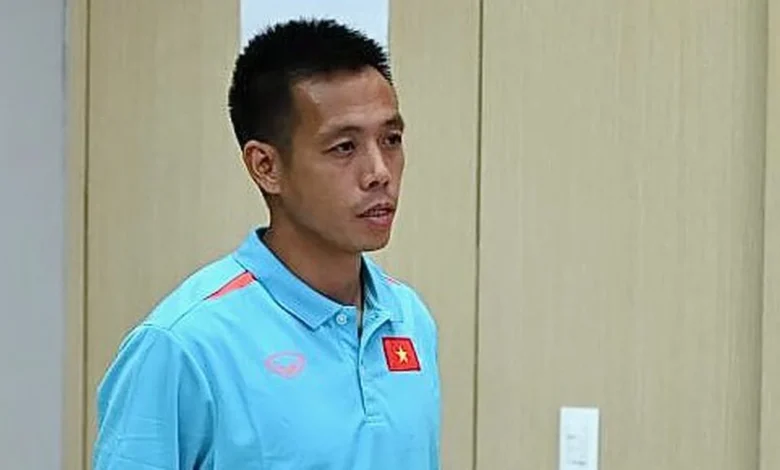
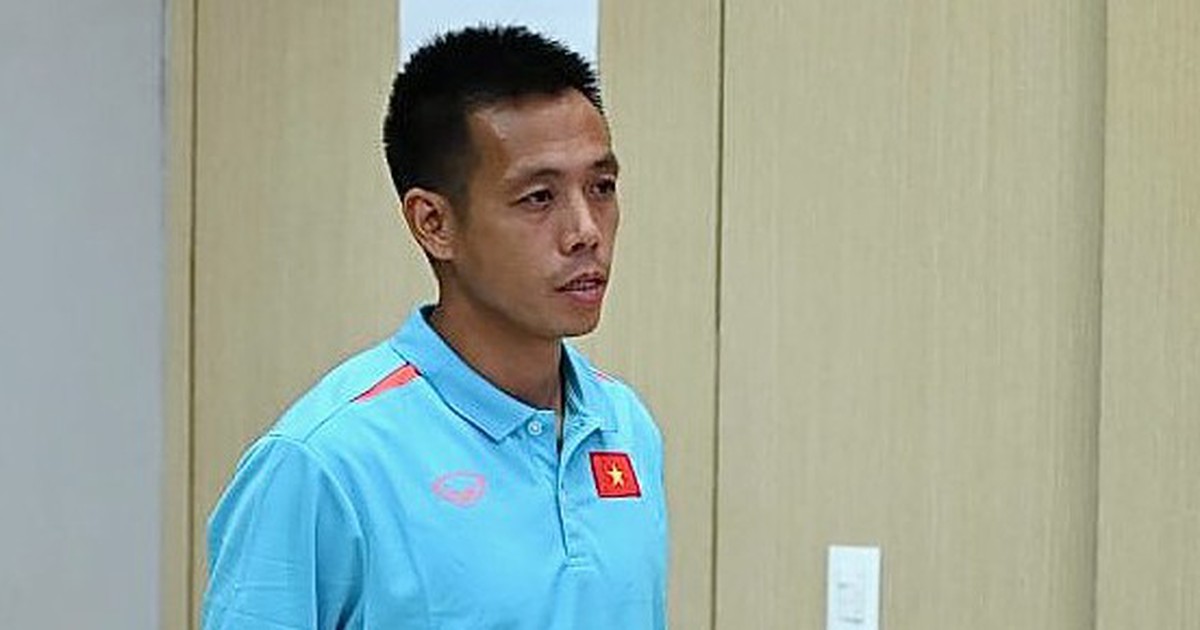
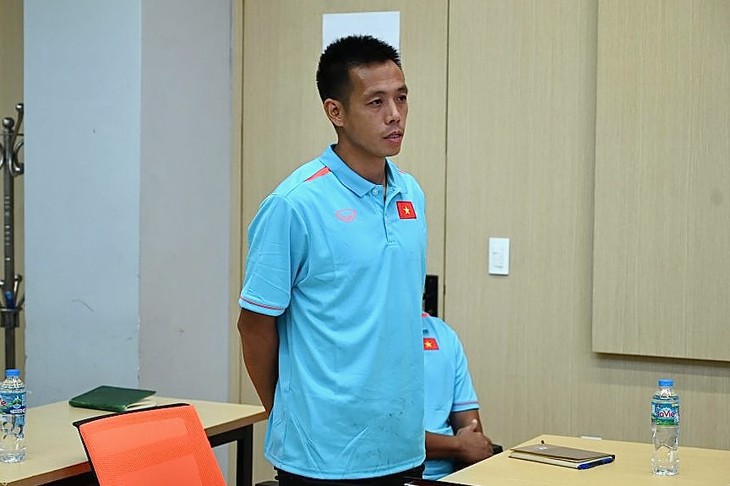
In a striking illustration of proactive career planning within Vietnamese professional football, veteran striker Nguyen Van Quyet of Hanoi FC has utilized the V-League 2026–2027 mid-season pause to immerse himself in formal coaching education. While domestic football temporarily yields its spotlight to international fixtures during the FIFA Days break, the iconic forward has traded his captain’s armband for a clipboard at Lach Tray Stadium in Hai Phong. There, he has assumed the prestigious role of class monitor for the AFC/VFF B-Certificate Coaching Course (Phase 1), guiding a cohort of peers, active players, and emerging managers through the rigorous academic and practical demands of modern football instruction.
This strategic pivot not only underscores Van Quyet’s enduring commitment to the sport but also highlights a broader, much-needed cultural shift within Vietnamese football: elite players preparing for the transition from the pitch to the technical area well before hanging up their boots. The initiative reflects a growing understanding that elite playing experience, while invaluable, must be systematically complemented by recognized pedagogical frameworks and tactical theory to successfully bridge the generational divide in coaching.
The Setting: Lach Tray Stadium and the Curriculum of Modern Coaching
The coaching course, running from September 22 to October 3, is a collaborative undertaking organized by the Vietnam Football Federation (VFF) in close coordination with the Hai Phong Football Association and Hai Phong FC. Situated at Lach Tray Stadium—a venue historically renowned for its fervent football culture and passionate supporters—the training ground provides an ideal environment for blending intense tactical theory with practical on-field execution.
The curriculum is built strictly in accordance with Asian Football Confederation (AFC) standards, designed to expand educational opportunities and update the tactical repertoires of participating coaches. Instruction is spearheaded by esteemed figures in the national football landscape, notably VFF Technical Director Koshida Takeshi and Le Huynh Duc, a veteran of the National Coaching Council and a legendary figure in Vietnamese football. Their combined expertise ensures that students are exposed to contemporary methodologies, covering everything from youth development pathways and micro-cycle planning to game-model implementation and match analysis.
For Van Quyet, being appointed class monitor is a testament to his natural leadership qualities. Long respected for his authority on the field and his ability to galvanize teammates, the Hanoi FC talisman naturally assumed a unifying role among the cohort, which comprises a diverse mix of current professionals, former internationals, and burgeoning coaches.
Addressing his peers at the opening ceremony, Van Quyet emphasized the collective responsibility shared by the class. He affirmed that every participant is fully committed to absorbing the curriculum, fostering rigorous dialogue, and actively translating theoretical concepts into actionable practice. The overarching goal, he noted, is to elevate the overall standard of coaching in Vietnam, ensuring that knowledge gained in the classroom directly benefits the development of future generations of players.
A Professional Epitome: Longevity and Forward-Thinking Preparation
Van Quyet’s presence in the coaching classroom is particularly noteworthy given his ongoing status as an active, high-performing professional. At an age when many players contemplate retirement or a sharp decline in output, the Hanoi FC captain continues to demonstrate remarkable physical durability, tactical intelligence, and professional discipline.
His longevity on the pitch has not happened by chance. Van Quyet has long maintained a reputation for a clean, disciplined lifestyle and unwavering professional dedication. Recognizing his immense value to the club, Hanoi FC extended his contract through 2028, securing his leadership for the foreseeable future. Crucially, the club leadership has actively supported his dual pursuits, creating an environment that allows him to continue competing at the highest level of the V-League while simultaneously laying the groundwork for his post-playing career.
This foresight is emblematic of modern football administration, where clubs increasingly realize the value of retaining institutional knowledge. By facilitating players’ transitions into coaching badges, organizations like Hanoi FC ensure a seamless pipeline of qualified personnel who already understand the culture, expectations, and operational standards of elite competition.
Contextualizing the Break: Navigating Turbulence at Hanoi FC
Van Quyet’s temporary relocation to Hai Phong coincides with a critical juncture in the V-League 2026–2027 season. The domestic competition is currently observing the FIFA Days international break, offering a much-needed window of respite for clubs to recalibrate. For Hanoi FC, this pause arrives at a delicate moment.
Prior to the international interruption, the capital club endured an uncharacteristic three-match winless streak—a run that sparked intense discussions behind closed doors and heightened pressure on the technical staff. Media reports highlighted extensive tactical reviews and prolonged meetings in the locker room, led by coaching staff, aimed at addressing structural deficiencies and psychological fatigue within the squad.
In this context, Van Quyet’s temporary absence from the club’s daily training ground may paradoxically benefit both parties. While the forward focuses on his coaching pedagogy, gaining a macro-level perspective on match organization and tactical structuring from the touchline, Hanoi FC has the breathing room to stabilize its dressing room dynamics. Upon the conclusion of the course on October 3, Van Quyet is scheduled to return to the capital club, rejoining his teammates just as preparations intensify for the grueling winter stretch of the professional season. His return will inject a renewed sense of tactical awareness and leadership into a squad eager to banish its recent slump and reassert its championship ambitions.
Institutional Strategy: Elevating the Standard of Vietnamese Football
The AFC/VFF B-Certificate course is not an isolated event; it represents a cornerstone of the VFF’s broader strategic roadmap aimed at professionalizing the domestic coaching ecosystem. For decades, Vietnamese football relied heavily on the organic transition of former players into coaching roles without standardized, internationally accredited pedagogical training. This often created a chasm between tactical intuition and modern scientific methodologies.
By aligning domestic coaching pathways with AFC mandates, the VFF ensures that coaches at all levels—from youth academies to senior V-League sides—speak a universal tactical language. The inclusion of high-profile active players like Van Quyet in these programs accelerates this evolution. When veterans with immense practical experience internalize modern coaching theories, they serve as crucial force multipliers upon returning to their clubs or eventually stepping into dugouts.
Furthermore, the involvement of international experts like Koshida Takeshi brings invaluable global perspectives to Vietnamese instructors. The Japanese technical director has consistently emphasized the importance of high-intensity training, structural discipline, and cognitive speed in player development. Integrating these principles into courses held at regional hubs like Hai Phong ensures that coaching knowledge is decentralized, empowering local football associations to contribute meaningfully to the national talent pipeline.
Broader Implications for the V-League and National Teams
The implications of players like Van Quyet pursuing coaching credentials extend far beyond individual career planning. As the V-League continues to professionalize, the demands placed on managers have grown exponentially. Modern head coaches must navigate complex physical data, video analytics, media relations, and man-management under intense scrutiny.
Educating players while they are still active helps demystify the managerial role, fostering mutual empathy between players and coaches. When a veteran captain understands the tactical rationale behind a manager’s game plan—having analyzed it through the lens of a coaching course—communication on the pitch becomes significantly more cohesive.
Looking toward the future, the gradual infusion of newly certified, tactically astute former players into the Vietnamese coaching ranks promises to elevate the competitive baseline of the V-League. It lays the structural foundation for sustainable success, ensuring that future national teams are guided by tacticians who possess both deep cultural roots in Vietnamese football and rigorous, modern pedagogical training.
As Nguyen Van Quyet completes his B-Certificate coursework in Hai Phong and prepares to lace up his boots once more for Hanoi FC, he stands at the intersection of Vietnam football’s present and its future. His journey from clinical finisher to classroom leader reflects a profound dedication to the game—one that will undoubtedly shape the tactical landscape of Vietnamese football for years to come.