Unlocking the Healing Power of Mulberry Leaves: Traditional Uses, Modern Medical Insights, and Essential Safety Precautions

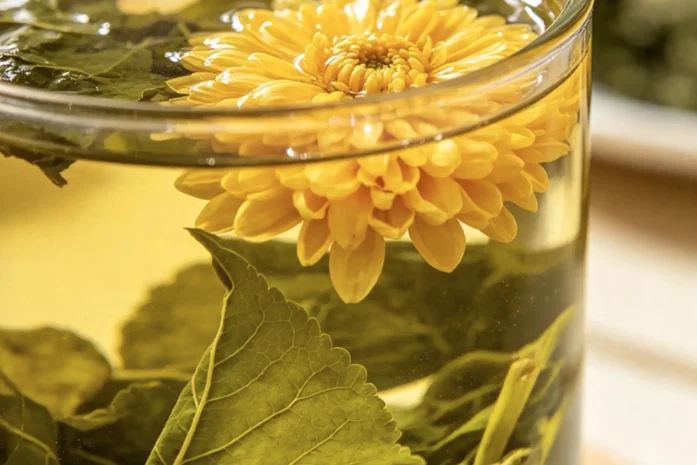
Mulberry leaves, scientifically known as Morus alba and traditionally referred to in Eastern medicine as tang diệp, have long held a revered status in Asian herbal pharmacopeia. Often poetically dubbed "immortal leaves" or "celestial leaves," this humble botanical has transcended its agricultural origins in sericulture—where it serves as the primary sustenance for silkworms—to become a cornerstone of traditional therapeutic remedies. Across centuries of medical documentation, from ancient Chinese compendiums to modern clinical evaluations, mulberry leaves have been prescribed to alleviate respiratory distress, soothe throat irritations, and improve ocular health. However, as the popularity of herbal teas and natural remedies surges across digital platforms, healthcare professionals emphasize the necessity of balancing traditional wisdom with rigorous scientific oversight, particularly concerning dosage, preparation, and potential drug interactions.
Historical Context and Traditional Classification in Herbal Medicine
The historical lineage of mulberry leaves in traditional healing practices is well-documented in classic pharmacological texts. Most notably, the legendary Compendium of Materia Medica (Bencao Gangmu), authored by the renowned Ming Dynasty physician and pharmacologist Li Shizhen, details the extensive utility of mulberry leaf infusions. According to historical texts, boiling the dried leaves to create a tea substitute effectively addressed excessive thirst, soothed internal heat, and promoted overall bodily equilibrium. Over generations, herbalists assigned various descriptive monikers to the botanical, including "divine leaf" and "immortal leaf," reflecting its perceived restorative properties and widespread availability throughout agrarian societies in East Asia.
In traditional medical frameworks, tang diệp is categorized as having a sweet, bitter, and cold nature. It primarily targets the lung and liver meridians. Practitioners of traditional medicine utilize its capacity to disperse wind-heat, clear lung heat, moisten dryness, and brighten the eyes. Consequently, historical prescriptions frequently incorporate mulberry leaves to manage conditions characterized by dry coughs, hoarseness, headaches, red or bloodshot eyes, and blurred vision. These clinical applications demonstrate a sophisticated, albeit traditional, understanding of how botanical agents can modulate inflammatory and moisture-related imbalances within the human body.
Modern Medical Perspectives and Pharmacological Mechanisms
In contemporary healthcare settings, medical professionals acknowledge the historical validity of herbal remedies while integrating modern pharmacological understanding. According to BSCKI Bùi Thúy Yên Nhi from University Hospital HCMC (Facility 3), mulberry leaves contain a complex array of bioactive compounds that support their traditional classifications. Modern phytochemical analyses reveal that these leaves are rich in flavonoids, alkaloids (such as 1-deoxynojirimycin, which has been studied for its glucose-lowering properties), polyphenols, vitamins, and minerals.
These active constituents contribute to the observed anti-inflammatory, antioxidant, and antimicrobial effects. When consumed as a tea or utilized in compound herbal formulations, the bioactive elements help modulate oxidative stress in respiratory tissues and ocular microvasculature. Despite these promising properties, medical experts caution against viewing herbal teas as a universal panacea. Dr. Yên Nhi notes that while a cup of mulberry tea can serve as a refreshing, health-promoting beverage, transforming it into an unregulated daily therapeutic regimen requires careful consideration of individual health profiles, underlying chronic conditions, and concurrent pharmacological treatments.
Synergy and Formulation: Combining Tang Diệp with Complementary Botanicals
Within the foundational principles of traditional herbal formulation, single herbs are rarely prescribed in isolation. Instead, practitioners utilize sophisticated combinations to direct the therapeutic action of the primary botanical toward specific organ systems or pathological conditions. Mulberry leaves are frequently paired with a variety of complementary medicinal herbs to maximize clinical efficacy:
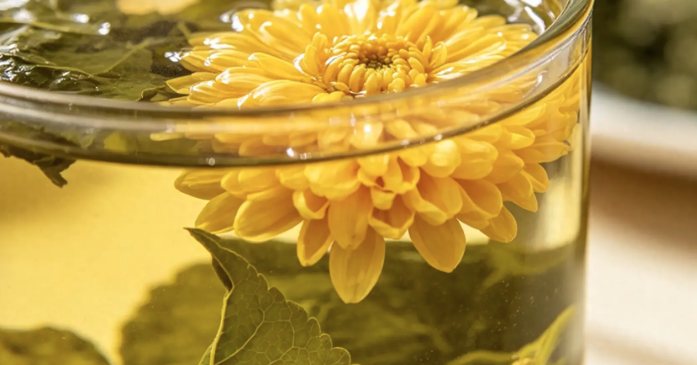
- Mulberry Leaves and Chrysanthemum Flowers (Sang Ju Yin): This classic pairing is traditionally utilized in formulations designed to alleviate symptoms associated with wind-heat patterns, such as early-stage common colds accompanied by coughing, mild fevers, headaches, dizziness, and eye irritation.
- Mulberry Leaves and Mulberry Twigs (Tang Zhi): When combined with the branches of the mulberry tree, the formula is often directed toward addressing aching joints, numbness in the extremities, and rheumatic discomfort.
- Mulberry Leaves and Black Sesame Seeds: This combination is traditionally prescribed to nourish the liver and enrich yin, specifically targeting manifestations of premature aging, dizziness, and diminished visual acuity stemming from liver and kidney yin deficiency.
- Mulberry Leaves and Perilla Leaves (Zi Su Ye): By merging these two botanicals, herbalists create synergistic remedies aimed at relieving acute respiratory discomfort, persistent coughing, and shortness of breath driven by seasonal environmental changes.
- Mulberry Leaves and Apricot Kernels (Xing Ren): This pairing functions to clear lung heat, suppress persistent coughs, and ease asthmatic breathing patterns by promoting bronchial relaxation and phlegm clearance.
Furthermore, multi-herb decoctions such as the traditional Sang Ju Yin (Mulberry and Chrysanthemum Drink) remain widely referenced in Asian medicine for managing seasonal respiratory infections characterized by wind-heat invasion. However, the success of these complex formulations relies entirely on precise proportions, botanical quality, and accurate diagnostic differentiation performed by trained practitioners.
Dosage Guidelines, Preparation Methods, and Safety Precautions
A prevalent misconception among modern consumers is that natural or herbal products are inherently safe in unlimited quantities. Health authorities and clinical pharmacologists actively counter this narrative, stressing that potent botanical agents carry risks of adverse effects and pharmacological interactions if misused.
For safe consumption, herbalists recommend specific quantitative boundaries. The standard therapeutic dosage for dried mulberry leaves (tang diệp) typically ranges from 5 to 12 grams per day when prepared as a decoction. When utilizing fresh leaves, the quantity should not exceed 30 grams daily to prevent excessive cooling of the digestive system or unwanted gastrointestinal distress. Exceeding these recommended thresholds does not enhance therapeutic outcomes and may instead provoke unwanted side effects, such as loose stools, abdominal cramping, or electrolyte imbalances.
Crucially, individuals managing chronic medical conditions—particularly those prescribed medications for blood glucose control (such as insulin or oral hypoglycemics) or hypertension—must exercise extreme caution. Because mulberry leaf extracts possess intrinsic properties that can influence blood sugar and vascular tone, self-administering concentrated herbal teas alongside prescription drugs creates a significant risk of herb-drug interactions. Hypoglycemia (dangerously low blood sugar) or unpredictable blood pressure fluctuations can occur when botanical agents amplify or counteract pharmaceutical interventions without medical supervision.
Broader Public Health Implications and Expert Recommendations
The growing digital trend of labeling common botanicals like mulberry leaves as "miracle money" or instantaneous cures highlights a broader public health challenge: the unverified dissemination of health information across social media platforms. While the accessibility of traditional knowledge empowers individuals to explore holistic wellness, it concurrently exposes vulnerable populations—especially chronic disease patients—to the hazards of unsupervised self-medication.
Medical institutions and regulatory bodies consistently advocate for an integrative approach to health management. Patients experiencing persistent respiratory symptoms, chronic coughs, ocular discomfort, or metabolic disorders should prioritize professional medical diagnosis over online testimonials. Healthcare providers emphasize that traditional remedies like tang diệp occupy a legitimate, valuable space in integrative medicine, but they must be administered within a clinical framework that accounts for patient-specific variables, including age, underlying pathology, liver and kidney function, and concurrent drug regimens.
Ultimately, while the ancient "celestial leaf" continues to offer remarkable therapeutic potential backed by both historical tradition and emerging scientific inquiry, its benefits are best realized through informed, cautious, and professionally guided utilization. Respecting the pharmacological potency of mulberry leaves ensures that this botanical heritage contributes safely and effectively to modern holistic health.