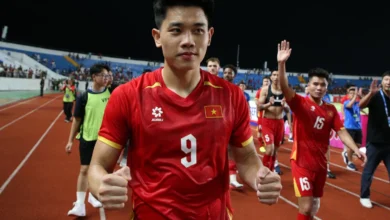
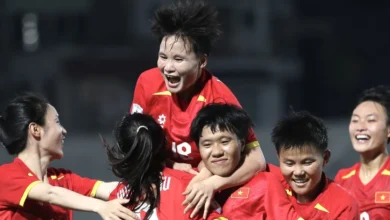
Vietnam Women National Team Faces Reality Check After Heavy Defeat Against Japan at Asiad 2026


The journey of the Vietnam women’s national football team at the Asiad 2026 group stage delivered a stern reality check following a comprehensive 0-8 defeat against powerhouse Japan in their second Group E fixture. Facing one of the undisputed giants of Asian and world football, the Vietnamese squad operated with a deep defensive block, attempting to absorb pressure and limit the damage. While the tactical blueprint yielded relative success during the initial stages of the match, an avalanche of late goals in both halves exposed the vast gulf in class, fitness, and technical execution that currently exists between Southeast Asia’s leading contenders and the continental elite.
Analyzing the heavy setback, coach Hoàng Văn Phúc offered a pragmatic and constructive perspective, emphasizing the profound developmental value of such high-intensity fixtures. Despite the lopsided scoreline, the technical staff underscored that playing against top-tier opponents like Japan, China, or North Korea provides invaluable exposure for younger players, helping them adapt to high-tempo environments and master the art of tactical composure under sustained pressure.

Tactical Approach and the Turning Point
Entering the fixture at Asiad 2026, the strategic objective for the Vietnam women’s national team was clear: prioritize defensive organization, minimize space between defensive and midfield lines, and capitalize on any rare counter-attacking opportunities. For the majority of the first half, the players executed this game plan with commendable discipline. They frustrated the fluid Japanese attacking machinery, successfully restricting the hosts to minimal clear-cut chances and maintaining a respectable 0-2 deficit as the clock wound down toward halftime.
However, the psychological watershed moment arrived in the 43rd minute when captain Huỳnh Như inadvertently turned the ball into her own net. Conceding a late goal right before the interval dealt a severe blow to the collective morale of the squad. According to coach Hoàng Văn Phúc, the psychological impact of that unfortunate own goal caused a lapse in concentration and defensive shape during the second half, allowing the relentless Japanese side to exploit open spaces and capitalize on compounding errors to extend their lead systematically.
The match served as a stark reminder of how thin the margin for error is against world-class opponents. In modern international football, maintaining defensive concentration for the entirety of the 90 minutes—plus stoppage time—is paramount. Against an opponent as technically proficient and tactically astute as Japan, even a momentary loss of focus is severely punished.

Group E Standings and Qualification Scenarios
Despite the heavy defeat, Vietnam’s tournament ambitions are far from extinguished. Under the tournament regulations for Asiad 2026, the two top-performing teams from each group, alongside the best-performing third-placed teams, will advance to the knockout stages. The simultaneous developments in Group E have kept the qualification door wide open for the Southeast Asian representatives.
In the other Group E fixture, the Thailand women’s national team suffered a narrow 0-1 defeat against Chinese Taipei. This result mirrors Vietnam’s current predicament and sets the stage for a dramatic, high-stakes showdown between the two Southeast Asian rivals in the final round of the group stage. Both teams enter the concluding matchday desperate for points, knowing that a victory could secure a coveted berth in the next round of the tournament as one of the best third-placed teams or runners-up, depending on goal differentials across other groups.
The upcoming clash against Thailand transcends traditional regional rivalry; it is a direct battle for survival at the continental showcase. Coach Hoàng Văn Phúc stressed that the immediate priority for the coaching staff is to lift the players’ spirits, manage physical recovery, and recalibrate tactical focus.
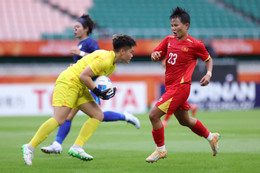
Broader Implications and Historical Context
The heavy defeat against Japan highlights the ongoing structural and developmental challenges facing Vietnamese women’s football as it strives to narrow the gap with the global elite. While regional dominance within Southeast Asia has been well-established through numerous AFF Championship titles and SEA Games gold medals, competing on the Asian stage against traditional powerhouses such as Japan, South Korea, China, and Australia requires sustained investment in youth academies, domestic league competitiveness, and international friendly exposure.
Football analysts note that heavy defeats, while psychologically difficult to process, are frequently catalysts for long-term strategic improvements. The ability of players to experience the blistering speed of thought and execution demanded by top-tier Asian opponents accelerates their tactical maturation. For Vietnam, the focus must shift rapidly from the disappointment in Nagoya to the strategic execution required against Thailand.
Historically, encounters between Vietnam and Thailand women’s teams have been fiercely contested, characterized by high physical demands and tactical chess matches. Recent years have seen Vietnam hold the upper hand in head-to-head fixtures, a trend noted by regional experts, including former men’s national team coach Park Hang-seo, who has frequently highlighted the mental resilience and tactical discipline of Vietnamese players in crucial regional derbies.
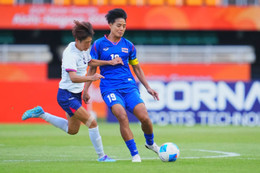
Preparing for the Decisive Clash Against Thailand
With only a few days to recover before the decisive group-stage finale, the coaching staff’s primary responsibility is psychological rehabilitation. High-scoring losses can leave lingering doubts, but the tournament format leaves no room for hesitation. The players must process the lessons learned from the tactical masterclass delivered by Japan and channel their energies into correcting defensive vulnerabilities.
Key tactical adjustments will likely center on restoring confidence in the build-up phase, improving midfield transition speeds, and capitalizing on set-piece opportunities against Thailand. The physical toll of playing a high-intensity opponent like Japan means that squad rotation and fatigue management will also play critical roles in determining the starting lineup for the crucial match.
As the team regroups in the athlete village, the overarching message from the technical bench remains one of resilience and forward momentum. The ultimate objective at Asiad 2026 remains attainable, provided the players can translate the rigorous lessons of elite international competition into a disciplined, winning performance against their regional neighbors. The upcoming encounter will not only define Vietnam’s campaign at the current Asiad but will also serve as a barometer for the current standing of women’s football in Southeast Asia.
Related posts: