Chợ Bình Hoàng tại phía Bắc TP Hà Tĩnh rơi vào cảnh đìu hiu sau 7 năm đầu tư hơn 140 tỷ đồng

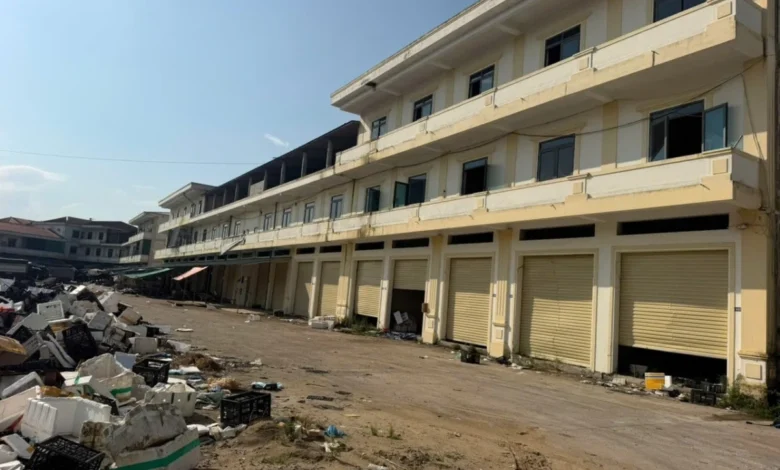
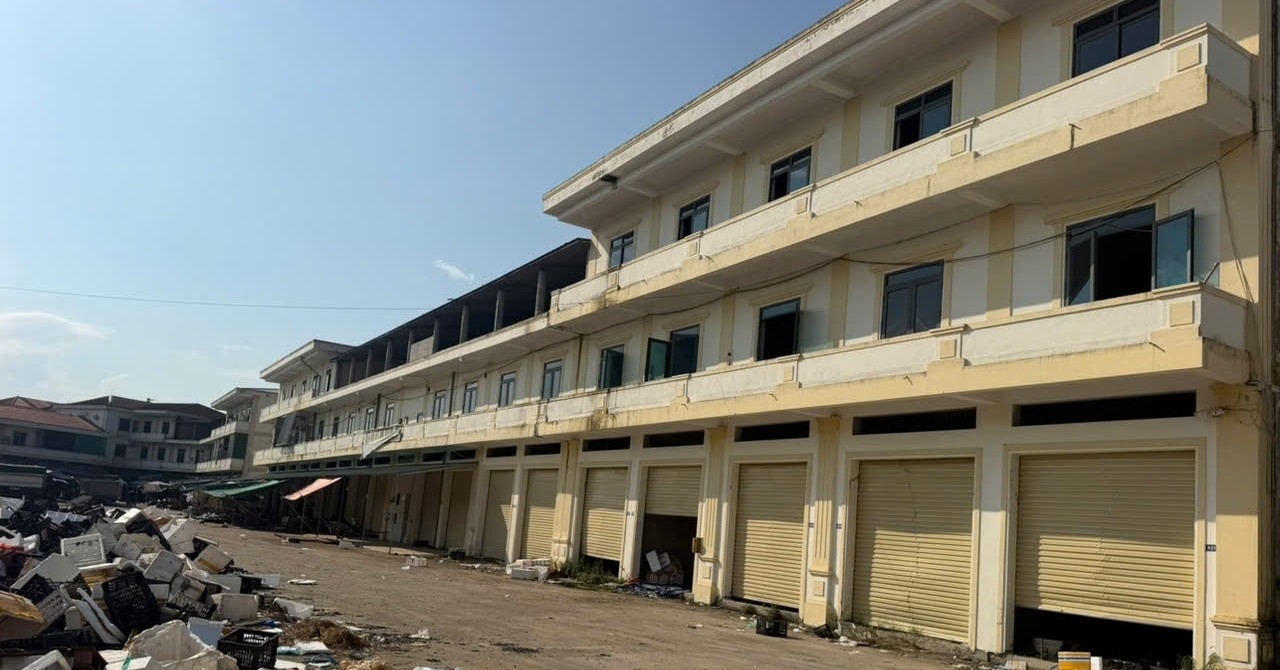
The Binh Hoang Market, a significant infrastructure project located in the northern region of Ha Tinh City, stands as a stark example of the challenges inherent in urban planning and commercial revitalization. Despite a substantial investment exceeding 140 billion VND, the facility—intended to serve as a hub for local commerce and economic growth—now faces a persistent struggle with vacancy and low foot traffic. Seven years after its inauguration, the majority of the market’s stalls remain shuttered, raising questions about the viability of large-scale market projects in an evolving retail landscape.
Project Overview and Strategic Intent
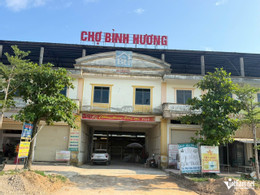
The Binh Hoang Market project was initiated with the objective of centralizing local trade, improving urban aesthetics, and providing a modern, sanitary environment for residents to conduct business. The project was executed through a socialized investment model, managed and operated by the Binh Hoang Market Cooperative. Following more than a year of intensive construction, the facility officially commenced operations in April 2019.
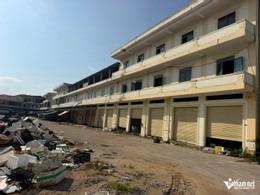
The market was designed with a multi-functional layout, spanning a considerable area with three primary zones: a retail complex for general merchandise and services, a traditional market sector, and an open-air business area. The architectural plan included seven three-story commercial blocks, complete with mezzanine and roof levels, alongside six additional rows comprising approximately 120 kiosks. In total, the facility was designed to accommodate roughly 300 individual points of sale, specifically categorized to house diverse vendors, ranging from permanent shopkeepers to those engaged in seasonal or casual trade.
A Timeline of Stagnation
The trajectory of the Binh Hoang Market has been marked by a mismatch between ambitious infrastructure development and the actual demand from the local trading community.
- 2018: Completion of core construction phases and initial setup of the operational management board.
- April 2019: Official grand opening and commencement of operations.
- 2020–2022: The initial period of operation faced severe headwinds, exacerbated by the broader economic climate and shifting consumer behaviors toward online shopping and established retail chains.
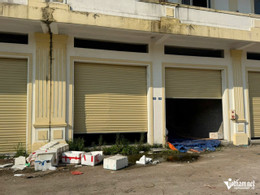
- 2023–2024: Despite efforts to lower barriers to entry, nearly 100 of the 250 available kiosks remained vacant.
- Present Day: The market continues to operate at a fraction of its capacity, with many sections appearing abandoned, leading to concerns regarding facility maintenance and the potential for structural deterioration.
Economic and Logistical Challenges
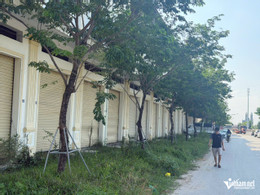
The current state of Binh Hoang Market highlights several critical economic factors. First, the population density in the immediate vicinity has not grown at the rate anticipated during the initial feasibility studies. Retail hubs rely heavily on high-frequency foot traffic, which is inherently linked to residential density. With fewer residents in the surrounding area than projected, the incentive for small-scale merchants to relocate their businesses to the market has remained low.
Furthermore, the rise of digital commerce has fundamentally altered the retail landscape in smaller cities. Consumers now have unprecedented access to a wide range of products via online platforms and delivery services, which reduces the necessity for physical marketplace visits for non-perishable goods. This shift, while beneficial to the consumer, poses a significant threat to traditional, centralized market models that have not integrated hybrid business solutions.
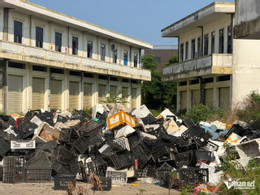
The physical state of the market has also become a point of concern. Observations from the site indicate that several areas have fallen into disrepair, with some parts of the facility being misused as storage for waste or construction materials. This lack of active occupancy creates a negative cycle: potential vendors are deterred by the lack of activity, and the lack of vendors leads to a decrease in public interest, further cementing the market’s reputation as an underutilized space.
Official Responses and Management Perspective
Ta Minh Duc, Chairman of the Board of Directors of the Binh Hoang Market Cooperative, has acknowledged the difficulties facing the project. In a recent statement, he confirmed that the total investment reached over 140 billion VND and noted that while the physical construction has been finalized, the commercial success of the venture remains elusive.
According to Mr. Duc, the market offers 250 kiosks with varying floor plans, ranging from 18 to 100 square meters. The rental costs are structured to be competitive, with prices ranging from 1 million to 3 million VND per month, depending on the size and location of the unit. Despite these relatively accessible rates, the inability to secure tenants for approximately 40% of the stalls remains a primary concern for the cooperative.
"The primary reason for the low occupancy is the lack of sufficient residential density in the surrounding areas," Mr. Duc explained. "Additionally, the rapid development of online buying and selling has certainly influenced the traditional market sector. We are hopeful that as new residential zones are established and the population increases, the demand for physical retail space will naturally rise, allowing the market to fulfill its intended purpose."
Addressing the Informal Economy
A central part of the management’s strategy involves the relocation of informal, street-side vendors into the formal market space. Currently, many traders prefer to operate at intersections or along public roadsides where they can intercept passersby more easily. This practice, while convenient for the individual vendor, often causes traffic congestion and undermines the aesthetic and sanitary standards of the city.
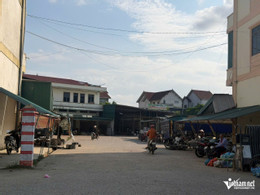
The management points to a past success story on Ha Huy Tap Street, where a local street market was dismantled, and the vendors were successfully integrated into the Binh Hoang facility. This model is seen as a potential blueprint for the future. Mr. Duc emphasized that for the market to thrive, local authorities must play a more active role in regulating roadside trade. By strictly enforcing policies against unauthorized street-side vending, the city could effectively channel the informal sector into regulated, safe, and sanitary facilities like the Binh Hoang Market.
Broader Implications for Urban Development
The situation at Binh Hoang is not an isolated case; similar challenges have been documented in other regions, such as the 4,000-square-meter market in Nam Dinh, which also remains largely vacant despite significant capital expenditure. These cases underscore a broader issue in regional economic development: the "build-it-and-they-will-come" approach is often insufficient for modern retail infrastructure.
For Binh Hoang Market to overcome its current stagnation, several strategic shifts may be required. This could include:
- Repurposing Space: Converting unused kiosks into community centers, logistics hubs for last-mile delivery services, or co-working spaces to increase foot traffic.
- Infrastructure Integration: Ensuring that the market is integrated into the city’s public transportation network to facilitate easier access for shoppers from outside the immediate neighborhood.
- Policy Support: Close collaboration between the Cooperative and municipal authorities to incentivize businesses to relocate from informal areas, potentially through tax breaks or subsidized rent for a set period.
- Digital Transformation: Supporting the vendors in the market to adopt "omni-channel" strategies, where they can utilize the market as a physical showroom while reaching broader audiences through social media and local delivery apps.
As Ha Tinh City continues to expand, the Binh Hoang Market remains a dormant asset. Its future viability depends on a complex interplay between urban demographic growth, regulatory enforcement, and the agility of the management to adapt to a digital-first commercial environment. Without a coordinated effort to revitalize the facility, it risks remaining a heavy burden on the cooperative and a missed opportunity for the city’s economic landscape.