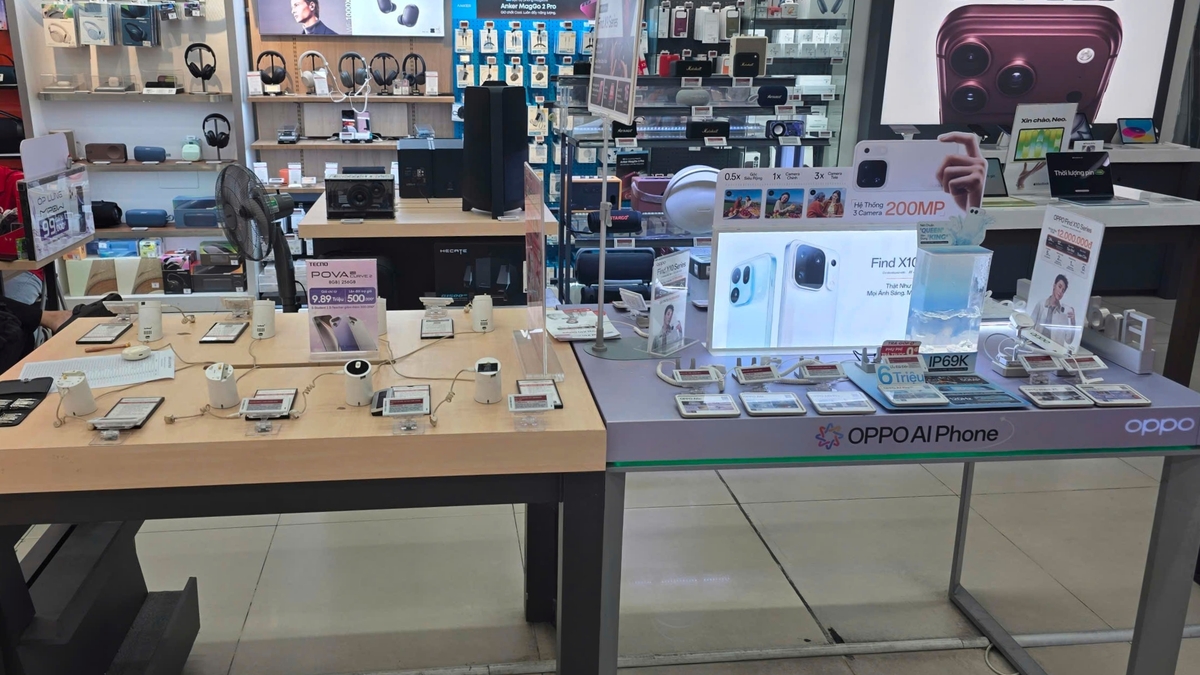
A significant wave of retail disruption has hit the Vietnamese electronics market as major brick-and-mortar chains pulled a wide array of Chinese-manufactured smartphones from their display shelves on November 4. The sudden removal, which affected prominent brands including Huawei, Oppo, Xiaomi, Honor, Tecno, Nubia, and Meizu, was triggered by the discovery of pre-installed weather applications that allegedly displayed maps violating Vietnam’s territorial sovereignty.
The incident, which saw retailers abruptly clear display tables and halt inventory replenishment, highlights the delicate intersection of global supply chains, software localization, and the sensitive geopolitical landscape of the South China Sea. As the retail sector grapples with this crisis, stakeholders are rushing to provide software patches to rectify the issue and restore normal business operations.
Chronology of the Disruption
The situation unfolded rapidly on the morning of November 4 when reports began circulating on social media regarding "emergency" directives issued by retail chains. Internal memos, marked with urgent status, instructed sales staff to immediately remove all display models of the affected Chinese brands from store floors. Furthermore, warehouse operations for these specific products were frozen, and staff were ordered to cease any buy-back or trade-in programs involving these devices until further notice.
By midday, the directive had permeated the retail ecosystem. Major electronics distributors and retailers in Vietnam confirmed that the move was a precautionary measure intended to protect the company’s reputation and ensure compliance with local regulations. While the initial forecast suggested a week-long removal process, subsequent developments in software patching have accelerated the timeline for resolution.
The Source of the Controversy: Weather App Data
The core of the issue lies in the pre-installed weather applications native to various Chinese smartphone models. Industry experts note that while domestic versions of these phones in China typically utilize local service providers like Baidu for mapping data, the international and Vietnamese versions are intended to ship with Google Maps or other internationally compliant services as the default.
However, many devices were found to be running a "hybrid" software state. Because Google services are often unavailable or restricted in the Chinese development environment, the manufacturers had left the original Chinese weather applications—and their associated map data—embedded in the firmware. When these devices were activated in Vietnam, the applications pulled map data that depicted the "nine-dash line," a controversial territorial claim in the South China Sea that is rejected by Vietnam. This display of illegal cartography on consumer electronics constitutes a severe violation of Vietnamese law regarding national sovereignty.
Industry Responses and Remediation Efforts
Following the discovery, representatives from major smartphone manufacturers operating in Vietnam moved quickly to manage the fallout. Hoang Tung, a representative from an electronics import firm, confirmed that the issue was indeed rooted in the localization settings of the weather apps.
"We are treating this with the utmost seriousness," stated a spokesperson for one of the primary mobile brands affected by the recall. "Our engineering teams worked throughout the afternoon of November 4 to finalize a software patch that removes the offending data and replaces it with compliant mapping services. We expect the update to be pushed to all affected devices currently in our inventory and those already in the hands of consumers."
Xiaomi, another major player impacted by the directive, issued a similar statement, noting that they are expediting the software update process. Company officials have indicated that a fix is expected to be deployed via over-the-air (OTA) updates within 24 to 48 hours of the initial discovery. Retailers have expressed a cautious optimism, noting that if the software patches are successful and verified by local authorities, the products could return to shelves within a few days.
Broader Implications for the Tech Market
The sudden removal of these devices serves as a stark reminder of the complexities involved in global hardware distribution. For years, manufacturers have faced pressure to localize software for specific markets, but the incident suggests that the "de-coupling" of Chinese-specific software from international products remains an incomplete process.
The incident carries significant implications for the following sectors:
1. Regulatory Oversight and Compliance
This event will likely trigger increased scrutiny from Vietnamese regulators regarding the software integrity of imported electronic devices. Manufacturers may now face mandatory audits of pre-installed applications to ensure that all mapping, weather, and location-based services adhere to the national laws of the host country.
2. Consumer Trust and Brand Perception
For companies like Oppo, Xiaomi, and others, the incident presents a branding challenge. In a market as price-sensitive and competitive as Vietnam, maintaining the trust of the consumer is paramount. The association with controversial territorial claims, even if unintentional and software-based, can lead to a long-term erosion of market share if consumers perceive these brands as being tied to foreign political agendas.
3. Supply Chain Localization
The incident underscores the risk of relying on a "one-size-fits-all" approach to software development. International manufacturers are increasingly realizing that they must maintain distinct, region-specific firmware builds that are strictly audited for compliance with local political and legal standards. Relying on original Chinese firmware for international sales is no longer a viable strategy in a globalized world where software is as politically charged as hardware.
Economic Impact Analysis
The retail disruption occurred at a critical time for the consumer electronics market in Vietnam. With the holiday shopping season approaching, retailers rely heavily on the high-volume sales of budget and mid-range smartphones, a segment dominated by the very brands currently caught in this crisis.
While the short-term economic impact includes lost revenue from the temporary suspension of sales and the labor costs associated with removing, patching, and re-stocking devices, the long-term impact will depend on the speed of the remediation. If the brands involved can demonstrate full compliance and transparency in their software updates, the market impact may be limited to a temporary dip in performance. However, if the issue persists or if regulators decide to impose stricter import controls, the supply of these devices could face more permanent, structural obstacles.
Conclusion
The events of November 4 serve as a high-stakes case study in the intersection of technology and national identity. As the Vietnamese retail sector moves to clear the software errors from the affected devices, the industry remains on high alert. For the manufacturers involved, the path forward requires not just technical debugging, but a renewed commitment to ensuring that their products respect the sovereignty and legal frameworks of every market in which they operate.
As of late November 4, the situation remains fluid. Retailers are currently coordinating with manufacturers to verify the efficacy of the new patches. While some outlets have begun the process of re-integrating the devices into their inventory, the incident has left a lasting impression on the market, signaling that the era of "passive" software localization is effectively over. Moving forward, both retailers and manufacturers will need to implement more rigorous pre-import inspections to ensure that no device reaches a store shelf—physical or digital—without a clean bill of health regarding its compliance with local sovereignty laws.