Dietary habits have long been recognized as a significant factor in dermatological health, but recent clinical research is shedding new light on how specific quantities of fruit consumption can profoundly alter skin topography. A study conducted by researchers at the University of California, Davis, has identified a complex "dose-response" relationship between mango consumption and the reduction of facial wrinkles, suggesting that while nature provides potent anti-aging tools, precision in intake is paramount for clinical effectiveness.
The UC Davis Study: A Paradox of Dosage
The research, led by Dr. Vivien Fam, focused on the potential of Ataulfo mangoes—often referred to as honey mangoes—to combat the natural aging process. Over a 16-week period, a cohort of postmenopausal women was monitored to observe the physiological changes in their skin following specific daily consumption patterns.
The findings revealed a surprising U-shaped correlation. Participants who consumed 85 grams of mango twice weekly experienced a statistically significant reduction in the depth and severity of facial wrinkles. Conversely, participants who increased their intake to 250 grams daily saw an increase in wrinkle formation, counteracting the initial benefits.
Professor Robert Hackman, a co-author of the study, explained this phenomenon through the lens of metabolic overload. While mangoes are rich in carotenoids, flavonoids, and mangiferin—all of which serve to inhibit damage to skin structural proteins—the higher dosage of 250 grams introduces a substantial load of natural sugars. This excessive glucose intake is believed to trigger a biological process that can lead to the degradation of collagen and elastin fibers, the proteins responsible for skin elasticity and structural integrity. The research team emphasizes that this study, while groundbreaking, remains a small-scale pilot, necessitating larger clinical trials to establish the precise mechanisms and universal guidelines.
The Science of Photodamage and Nutritional Defense
The skin is the human body’s primary barrier, yet it is under constant assault from both environmental and internal factors. According to Professor Jean Krutmann, a leading dermatologist at the Leibniz Research Institute for Environmental Medicine in Germany, the primary enemies of youthful skin include not only ultraviolet (UV) radiation but also visible light wavelengths, infrared radiation, air pollution, and high ambient temperatures. These stressors collectively contribute to the degradation of collagen, leading to the laxity and fine lines associated with aging.
To mitigate this, dermatologists suggest that systemic photoprotection—the process of fortifying the skin from the inside out—is becoming as essential as topical sunscreen. Nutritional intervention focuses on the ingestion of antioxidants that accumulate in the dermal tissues, creating a biological shield against oxidative stress.
The Role of Carotenoids and Dietary Synergies
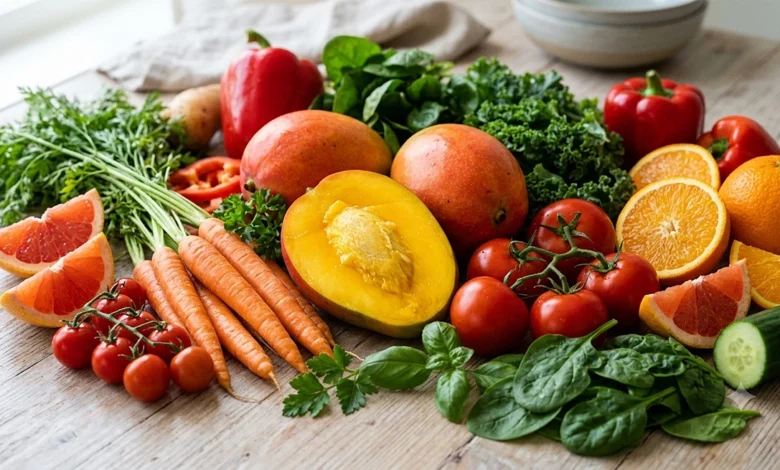
Beyond mangoes, the broader spectrum of dermatological nutrition includes a variety of pigment-rich foods. Carotenoids such as lutein, lycopene, and beta-carotene are essential building blocks for skin resilience. Professor Volker Böhm of Friedrich Schiller University in Germany notes that these pigments are stored in the fatty tissues beneath the skin.
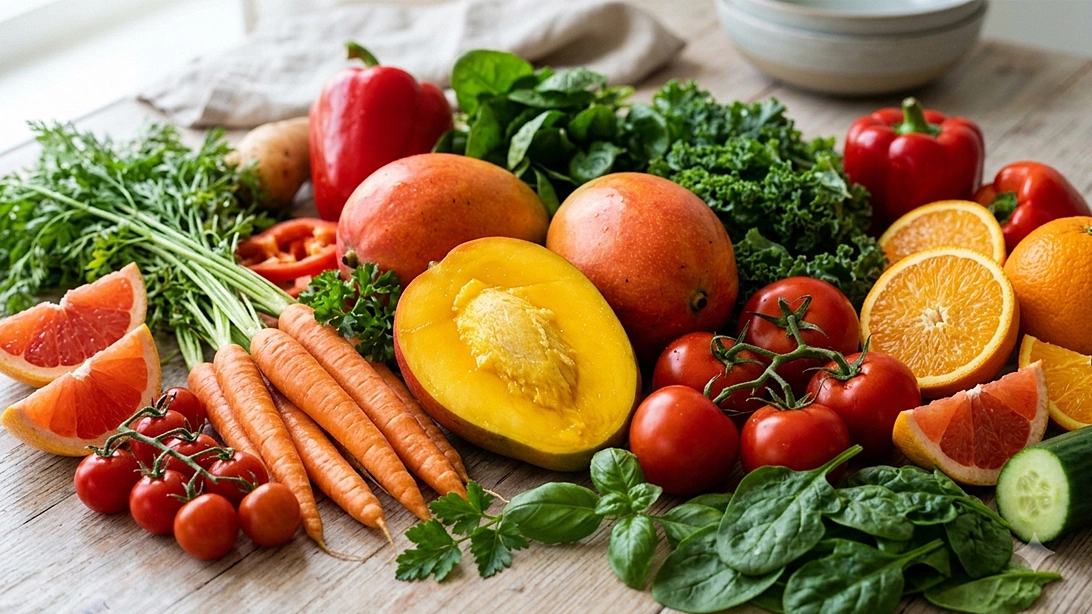
A critical finding in nutritional dermatology is the importance of bioavailability. Many of these protective pigments are fat-soluble. Therefore, consuming carrots or tomatoes alongside a small amount of healthy fats—such as olive oil—significantly enhances the body’s ability to absorb these nutrients. Once metabolized, beta-carotene is converted into Vitamin A, which is crucial for the regeneration of epidermal cells, while Vitamin C, abundant in citrus fruits, facilitates collagen synthesis and aids in the reduction of hyperpigmentation.
Chronology of Skin Resilience
Clinical studies suggest that nutritional benefits are not instantaneous. The accumulation of essential nutrients in the dermal layers typically requires a period of 8 to 10 weeks of consistent dietary intake before visible protective effects on skin cells are manifested. This timeline underscores the importance of long-term dietary commitment rather than short-term supplementation.
In addition to fruits and vegetables, the inclusion of specific nuts—such as almonds, walnuts, and pine nuts—provides a rich source of Vitamin E and omega-6 fatty acids. These elements strengthen the skin’s lipid barrier, which is essential for moisture retention and the prevention of dryness-induced fine lines. Furthermore, deep-sea fish, including salmon, sardines, and mackerel, contribute omega-3 fatty acids that possess potent anti-inflammatory properties, preserving the integrity of the elastic fiber network within the dermis.
The Gut-Skin Axis
Emerging research has also highlighted the significance of the "gut-skin axis." A diverse diet rich in whole foods and fermented products—such as kimchi, sauerkraut, and kombucha—promotes a healthy gut microbiome. When the intestinal environment is balanced, beneficial bacteria release anti-inflammatory compounds that circulate through the bloodstream and positively influence skin health. This systemic approach highlights that skin vitality is as much a function of digestive health as it is of external skincare routines.
Expert Recommendations and Future Implications
Despite the promise of dietary intervention, medical professionals maintain a cautious stance. Professor Krutmann and his peers emphasize that nutrition should be viewed as a complementary strategy rather than a replacement for established dermatological practices. The use of broad-spectrum sunscreen, protective clothing, and the avoidance of peak-hour sun exposure remain the gold standards for preventing premature aging and skin cancers.
The implications of this research are vast, suggesting a future where dermatological care integrates personalized nutrition plans with traditional clinical treatments. As the global population ages, the demand for non-invasive, cost-effective methods to preserve skin health will continue to grow.
Current data suggests that while the "food-as-medicine" movement is supported by robust biochemical evidence, the complexity of metabolic pathways means that more is not always better. The paradox observed in the mango study serves as a warning against the over-supplementation of even the healthiest foods. The goal for future research will be to define the "therapeutic window" for specific nutrients—finding the exact quantity that maximizes protection without triggering the secondary metabolic stress associated with high caloric or glycemic loads.
In summary, the path to maintaining skin health lies in a balanced, nutrient-dense diet that provides a steady stream of antioxidants, healthy fats, and probiotics. By understanding the intricate relationship between what we consume and how our skin ages, individuals can make more informed choices that support long-term skin health. However, as the scientific community continues to map these pathways, the consensus remains that a holistic approach—combining smart nutrition, proper hydration, and diligent sun protection—is the only proven strategy for long-term dermatological preservation.