Eating sticky rice for breakfast: Three essential considerations for individuals with prediabetes

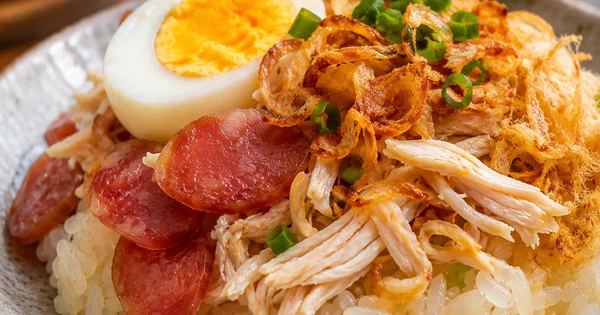
Sticky rice, a staple of breakfast culture across many Southeast Asian nations, is a beloved morning ritual cherished for its comforting texture and ability to provide immediate satiety. However, for the millions of individuals navigating the complexities of prediabetes—a metabolic state characterized by blood glucose levels higher than normal but not yet high enough for a type 2 diabetes diagnosis—this traditional dish requires a more nuanced approach. As nutritional science continues to emphasize the importance of the glycemic index (GI) and insulin sensitivity, understanding how to incorporate traditional staples into a health-conscious diet has become a primary concern for public health experts.
The Physiology of Prediabetes and Carbohydrate Metabolism
Prediabetes serves as a critical warning sign from the body, indicating that the metabolic machinery responsible for regulating blood sugar is struggling. At the core of this issue is insulin resistance, a condition where the body’s cells fail to respond effectively to insulin—the hormone tasked with ushering glucose from the bloodstream into the cells for energy.
Sticky rice, known scientifically as glutinous rice, is composed primarily of amylopectin, a branched-chain starch that is rapidly broken down by digestive enzymes. Because of its unique chemical structure, it causes a significantly more rapid spike in blood glucose levels compared to long-grain or brown rice. For an individual with prediabetes, whose pancreas is already working overtime to compensate for insulin resistance, this sudden influx of glucose can overwhelm the system.
Dr. Deborah Wexler, a specialist in endocrinology at Massachusetts General Hospital, has noted that the challenge for prediabetic individuals is not necessarily the complete elimination of carbohydrates, but rather the management of the "glycemic load" of each meal. When the body cannot efficiently clear glucose from the blood, the resulting hyperglycemia places chronic stress on the vascular system and internal organs. Therefore, the way a meal is constructed—specifically the order of food consumption and the presence of macronutrient balancing agents—is as significant as the carbohydrate source itself.
The Impact of Glycemic Variability
To understand the risks, one must examine the timeline of post-prandial glucose response. Within 30 to 60 minutes of consuming a high-glycemic meal like a large portion of sticky rice, blood sugar levels often peak sharply. In a healthy metabolism, the body responds with a measured release of insulin to stabilize these levels. However, in those with prediabetes, this "spike" often remains elevated for a longer duration, leading to glycotoxicity—a state where excess sugar in the blood begins to damage the lining of blood vessels and nerves.
Data from the American Diabetes Association suggests that minimizing these glycemic excursions is the most effective way to prevent the progression from prediabetes to type 2 diabetes. While clinical guidelines vary, a common recommendation is to prioritize foods that maintain a slow, steady release of energy. Sticky rice, in its traditional form—often served in large portions as a standalone meal—is essentially the antithesis of this dietary goal.
Redefining the Traditional Breakfast: A Structural Approach
A common dietary error among those managing prediabetes is consuming sticky rice as a "carbohydrate-only" or "carbohydrate-heavy" meal. A typical bowl of sticky rice often lacks the fiber, protein, and healthy fats necessary to slow down gastric emptying. When a meal is dominated by simple starches, the glucose hit is immediate.
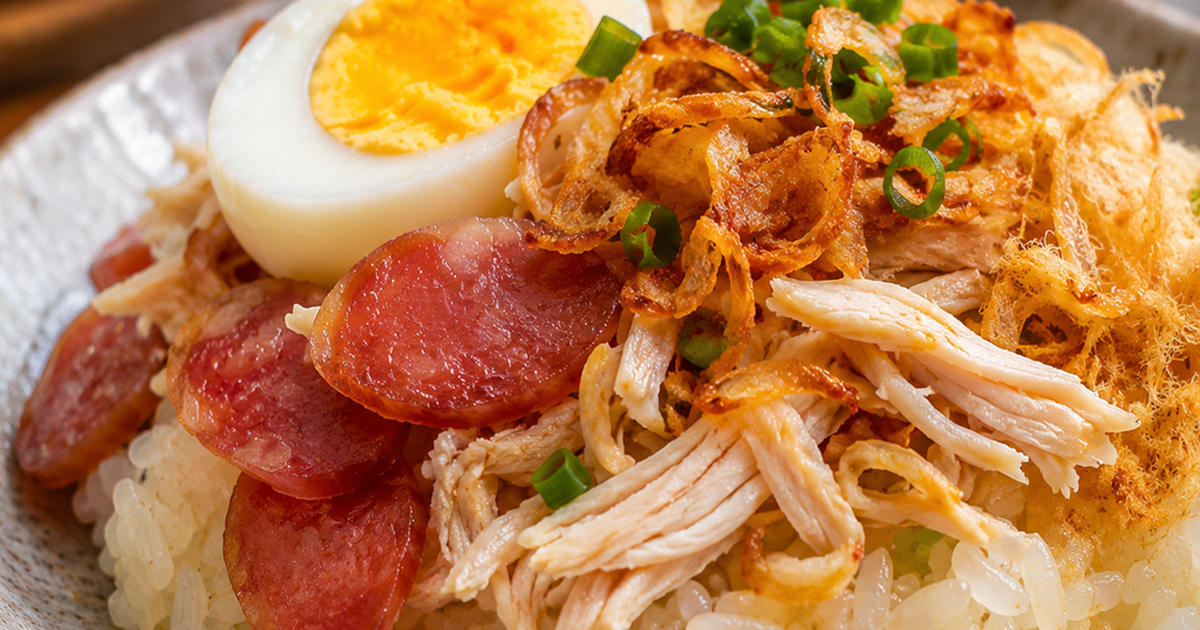
To mitigate this, nutritionists suggest a strategy of "nutritional buffering." This involves three key adjustments:
- Prioritize Protein Integration: Incorporating lean proteins such as hard-boiled eggs, skinless chicken breast, steamed fish, or firm tofu significantly alters the digestion profile of the meal. Protein stimulates the release of satiety hormones like PYY and GLP-1, which naturally dampen the appetite and slow the absorption of carbohydrates.
- The Fiber Shield: The inclusion of non-starchy vegetables is non-negotiable. Foods like cucumber slices, fresh tomatoes, or blanched broccoli provide the insoluble fiber required to create a physical barrier in the digestive tract, further slowing the rate at which glucose enters the bloodstream.
- Portion Re-calibration: The most straightforward intervention is a reduction in volume. A "serving" of sticky rice for a prediabetic individual should ideally be significantly smaller than the traditional portion, acting as a side dish rather than the foundation of the meal.
The Hidden Risks of Toppings and Accompanying Beverages
Beyond the rice itself, the traditional "toppings" often served with sticky rice represent a significant, yet frequently overlooked, health risk. Many popular additions—such as dried shrimp, pork floss (ruoc), Chinese sausage (lap xuong), and fried shallots—are highly processed and laden with hidden sodium, saturated fats, and sometimes added sugars.
For instance, commercial pork floss often contains high levels of sugar to balance its savory profile, while Chinese sausage is a significant source of processed fat. These ingredients contribute to a caloric surplus and can exacerbate inflammation, which is closely linked to worsening insulin resistance.
Furthermore, the choice of beverage is a critical factor. Many traditional breakfast stalls pair sticky rice with sweetened condensed milk coffee, sugary soy milk, or high-fructose teas. These beverages act as a "liquid sugar" delivery system that compounds the glucose spike initiated by the rice. Replacing these with unsweetened green tea, black coffee, or plain water is a simple yet high-impact change that can drastically alter the glycemic index of the entire morning meal.
Evidence-Based Implications for Long-term Health
The broader implication of these dietary adjustments is the preservation of beta-cell function in the pancreas. Chronic spikes in blood sugar force the pancreas to produce excessive amounts of insulin. Over time, this constant demand can lead to "beta-cell burnout," a tipping point where the pancreas loses the capacity to regulate blood sugar, signaling the onset of clinical type 2 diabetes.
Research published in Eating Well and echoed by major endocrine societies suggests that lifestyle interventions—including dietary modifications—can reduce the risk of progressing to type 2 diabetes by as much as 58% in high-risk populations. The goal is to move away from the "all-or-nothing" mentality. It is not necessary to permanently banish cultural staples from the diet; instead, the focus should shift toward how these foods are prepared and portioned.
Conclusion: Empowerment Through Knowledge
For individuals living with prediabetes, the goal of dietary management is not deprivation but rather metabolic stability. By viewing breakfast as a biological "reset" rather than a convenience, consumers can make informed choices that honor their cultural heritage while protecting their long-term health.
Transitioning to a "balanced plate" model—where a small portion of sticky rice is accompanied by a substantial serving of protein and a colorful array of fiber-rich vegetables—is an evidence-based pathway to improved health. By monitoring the quality of toppings, opting for whole-food protein sources, and eliminating hidden sugars in morning beverages, one can continue to enjoy the flavors of tradition without compromising glycemic control. Ultimately, the management of prediabetes is a daily practice of small, informed decisions that cumulatively provide the best defense against the onset of chronic disease.
Related posts: