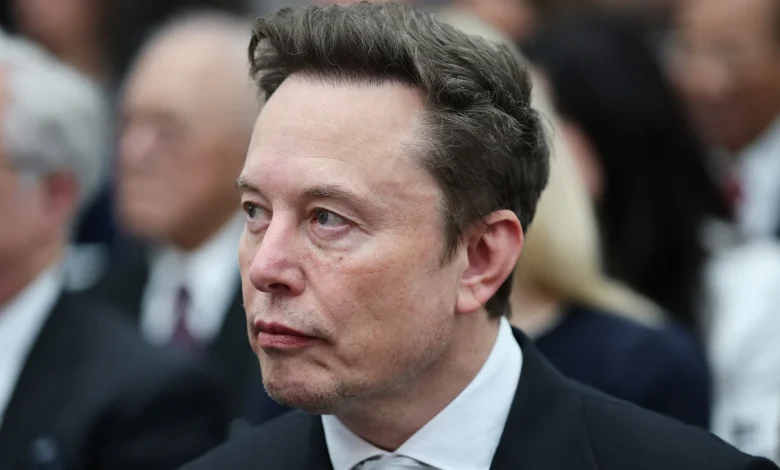
The potential merger between SpaceX and Tesla, two of the most influential technology firms in the world, has become a focal point of intense corporate speculation. While the prospect of combining the aerospace powerhouse with the electric vehicle giant has ignited investor interest, it also presents a significant structural dilemma for CEO Elon Musk. Central to this complex negotiation is a staggering $1 trillion compensation package, which experts believe could be significantly restructured or even forfeited should the two entities consolidate under a single corporate umbrella.
The Genesis of the Merger Speculation
The conversation surrounding a potential merger gained momentum following a series of high-profile disclosures during recent SpaceX earnings calls. CEO Elon Musk confirmed that boards of directors at both SpaceX and Tesla have established special committees tasked with evaluating the feasibility of a strategic combination. This move has been anticipated by market analysts for years, particularly as Tesla has increasingly pivoted toward robotics, artificial intelligence, and advanced manufacturing, and as SpaceX continues to dominate the commercial launch sector while expanding into global data infrastructure.
From a strategic standpoint, a merger would create an unprecedented industrial conglomerate. Tesla’s expertise in mass-manufacturing, battery technology, and autonomous AI software could provide the critical scale needed for SpaceX’s interplanetary ambitions. Conversely, SpaceX’s proprietary aerospace technology and Starlink satellite constellation could provide Tesla with a unique competitive advantage in global connectivity and edge computing.
The Compensation Paradox
The central point of contention is the $1 trillion compensation package previously approved by Tesla shareholders. This package, tied to aggressive market capitalization milestones and operational performance, was designed to incentivize Musk to drive exponential growth. However, if Tesla were to be acquired by or merged with SpaceX, the nature of Musk’s equity holdings would shift fundamentally.
According to analysis from Reuters and various corporate governance experts, a merger would likely trigger a "change of control" clause in both companies’ existing bylaws. For Tesla, this would mean that Musk might reach his performance targets sooner than anticipated due to the sheer scale of the combined entity, yet the regulatory and shareholder scrutiny regarding his total compensation would reach a fever pitch.
At SpaceX, which remains a private company, the board has historically utilized performance-based equity awards tied to long-term objectives, such as the successful colonization of Mars and the deployment of massive data centers in orbit. Analysts at Barclays noted that if the firms combine, Musk would likely hold roughly 37% of the new entity while maintaining a controlling 56% of the voting power. This discrepancy arises because of SpaceX’s unique dual-class share structure, which grants Musk voting rights nearly ten times greater than those of standard shares—a structure that does not exist at Tesla.
Timeline of Strategic Alignment
The progression toward this potential consolidation can be traced through several key corporate milestones:
- Early 2024: Musk publicly declared that he would feel uncomfortable scaling Tesla into a global leader in AI and robotics without maintaining at least 25% voting control. This signaled his intent to protect his influence against potential dilution or institutional pushback.
- Mid-2024: SpaceX began integrating its internal AI research and development efforts, mirroring some of the structural changes seen within Tesla’s Autopilot and Optimus robot divisions.
- October 2025: During a quarterly earnings call, Musk expressed deep-seated concerns regarding the long-term governance of his robotics and AI initiatives, specifically questioning whether he would remain in control of these "massive robot armies" as they evolve.
- Late 2025: The formation of special committees at both companies confirmed that the discussion had moved beyond internal musings to formal, board-level consideration.
Analytical Perspectives on Corporate Strategy
Matthew Bloomfield, a professor at the Wharton School of the University of Pennsylvania, characterizes the aggressive performance targets set for SpaceX as a "marketing maneuver" rather than a traditional incentive program.
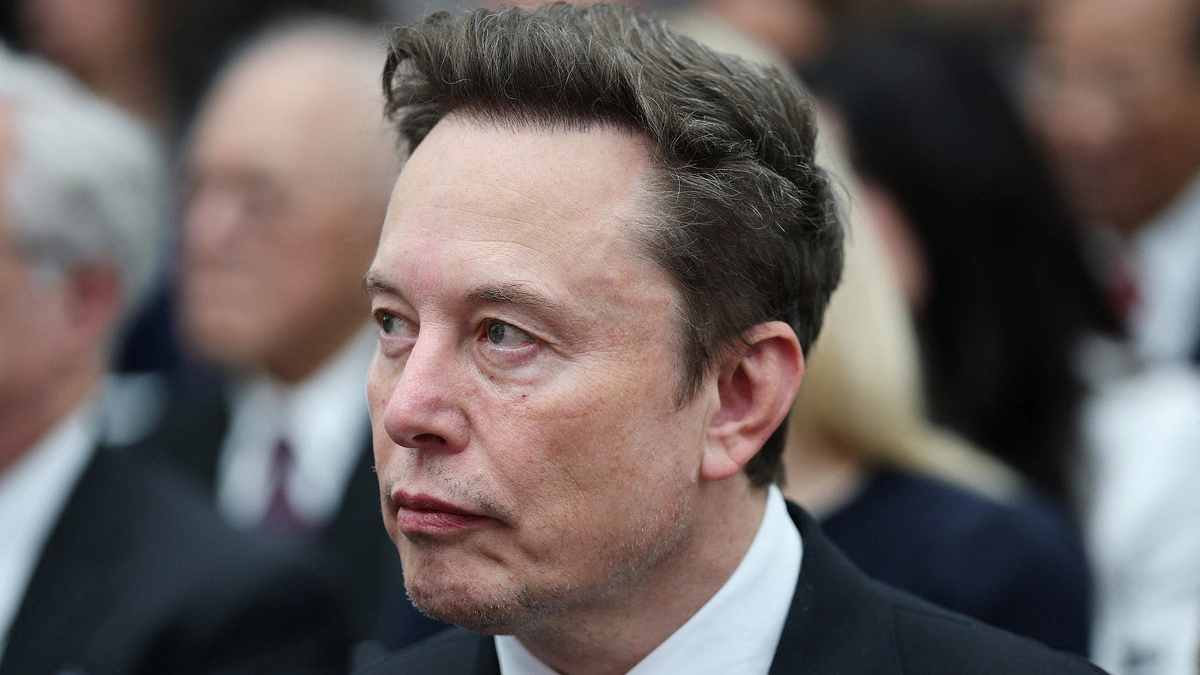
"They have baked in a series of incredibly ambitious goals, ensuring that onlookers see Elon Musk betting on himself to an extraordinary degree," Bloomfield stated. "In reality, the plan is designed to stir public excitement and maintain the aura of inevitability surrounding his ventures."
From a valuation perspective, Tesla’s current market capitalization hovers around $1.6 trillion. The incentive package requires the company to hit a $2 trillion valuation before Musk begins to receive significant equity awards. If the merger occurs, the criteria for these awards would need to be recalibrated. Kevin Murphy, a finance professor at the USC Marshall School of Business, suggests that the boards would likely prune the entire compensation package.
"They could simply raise the market capitalization and profit targets while adjusting the equity rewards to align with the scale of the company post-merger," Murphy observed. "SpaceX effectively did this earlier this year when they acquired xAI and folded Musk’s compensation package from that startup into the parent company."
The Governance Hurdle
For Musk, the primary motivation is not necessarily the cash value of the awards, but rather the preservation of his strategic vision. He has frequently emphasized that he does not want to be a minority shareholder in his own companies. "He doesn’t want a piece of the pie; he wants to bake it," Murphy added, noting that Musk’s preference for total control is the primary driver behind his push for voting rights over mere wealth accumulation.
If the merger proceeds, the resulting entity would face significant regulatory hurdles. Antitrust concerns would be at the forefront, particularly given the combined company’s potential dominance in energy, AI, aerospace, and robotics. However, proponents of the merger argue that the synergies created would accelerate the transition to sustainable energy and facilitate space exploration at a pace currently unattainable by separate entities.
Broader Economic Implications
The potential forfeiture of the $1 trillion package is a secondary concern when compared to the structural control Musk stands to gain. Even if he were to lose a substantial portion of his current compensation incentives, the move could solidify his legacy as the architect of a new industrial age.
However, investors remain cautious. The volatility inherent in both Tesla’s stock and SpaceX’s private valuation means that any merger agreement would require complex auditing and valuation processes. Shareholders would demand transparency, particularly regarding the potential for conflicts of interest given Musk’s dual roles and his history of shifting resources between his various enterprises, including the Boring Company and Neuralink.
As of late 2025, no formal agreement has been reached. The special committees continue to deliberate, weighing the benefits of vertical integration against the potential for shareholder litigation and regulatory intervention. Whether or not the $1 trillion compensation package survives the merger remains a technicality in the broader, more significant question of how the world’s most famous technocrat intends to govern his future empire. The outcome will undoubtedly set a precedent for corporate governance in the age of rapid, technology-driven industrial consolidation.