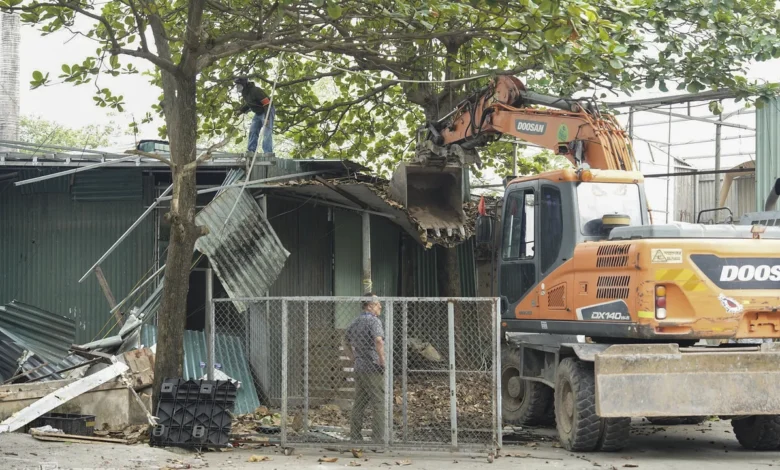
Hanoi authorities have initiated a sweeping campaign to dismantle thousands of illegal structures across the capital, citing urgent needs to restore land management order, improve construction compliance, and mitigate severe fire safety risks. This systematic enforcement action, which began gaining significant momentum in late October 2026, marks a pivotal shift in the municipal government’s approach to urban planning and public safety. With approximately 10,000 identified violations across the city, the administration has signaled that it will no longer tolerate unauthorized construction that compromises the safety and legal integrity of the metropolitan area.
The Scope of the Crisis
The scale of the challenge facing Hanoi is substantial. According to recent reports from the Hanoi City Police, there are roughly 10,000 structures categorized as illegal or non-compliant with current zoning and safety regulations. Of these, over 2,400 establishments have already received official mandates to cease operations due to critical failures in fire prevention and life-safety systems. These violations range from small, unauthorized storage sheds and informal garages to large-scale commercial facilities—such as sports complexes and event centers—built on land designated for other purposes or constructed without the necessary permits.
The urgency of this campaign stems from a series of fire-related incidents in the region, which have underscored the vulnerability of densely packed, non-compliant buildings. In many instances, these structures lack proper emergency exits, adequate fire-suppression equipment, and the structural integrity required to withstand or contain a blaze. By removing these hazards, the city aims to create a safer environment for residents while reclaiming public space for its intended use.
Chronology of Enforcement
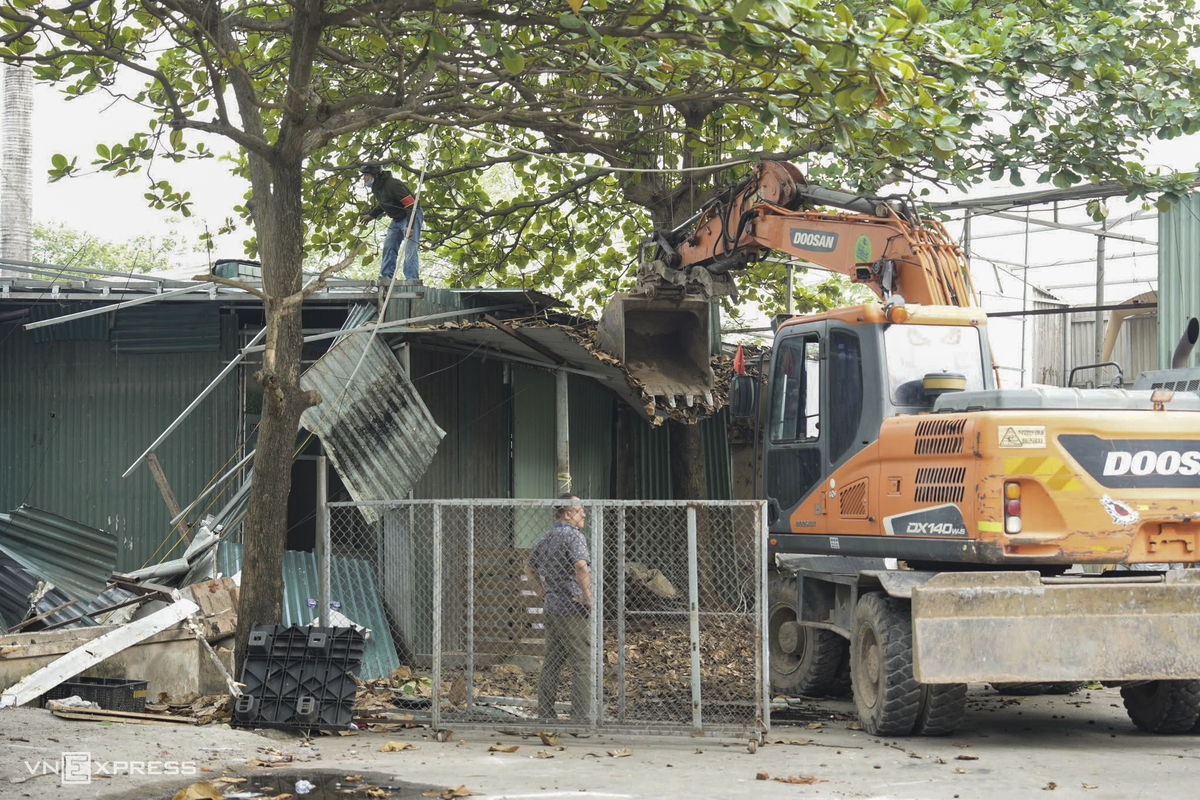
The current crackdown follows a period of heightened scrutiny over urban land use. Since the latter part of October 2026, various districts in Hanoi, including Bac Tu Liem, Thanh Liet, and Cau Giay, have begun executing demolition orders.
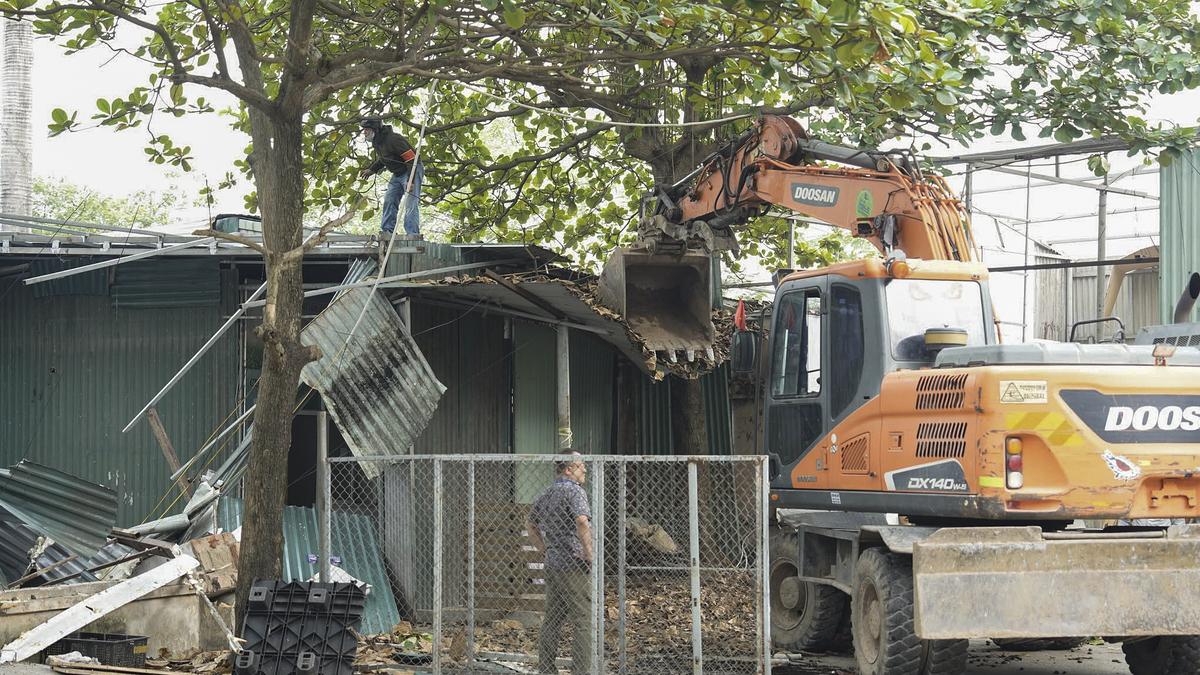
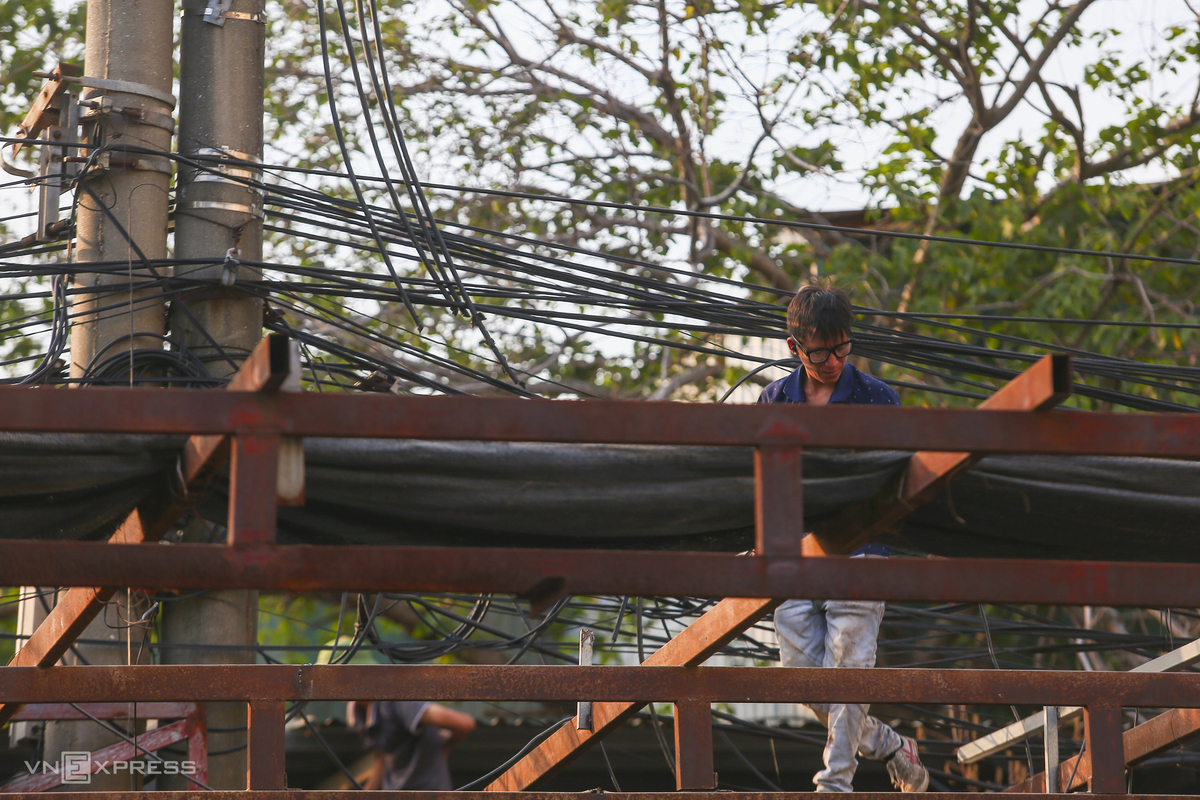
In the Bac Tu Liem district, specifically at 16 Phuc Dien, Xuan Phuong Ward, authorities oversaw the removal of several metal-framed structures and tin-roofed buildings that did not align with the approved master plan. The operation was preceded by rigorous logistical planning; local law enforcement established perimeter fencing and managed traffic flows to ensure public safety during the dismantling process.
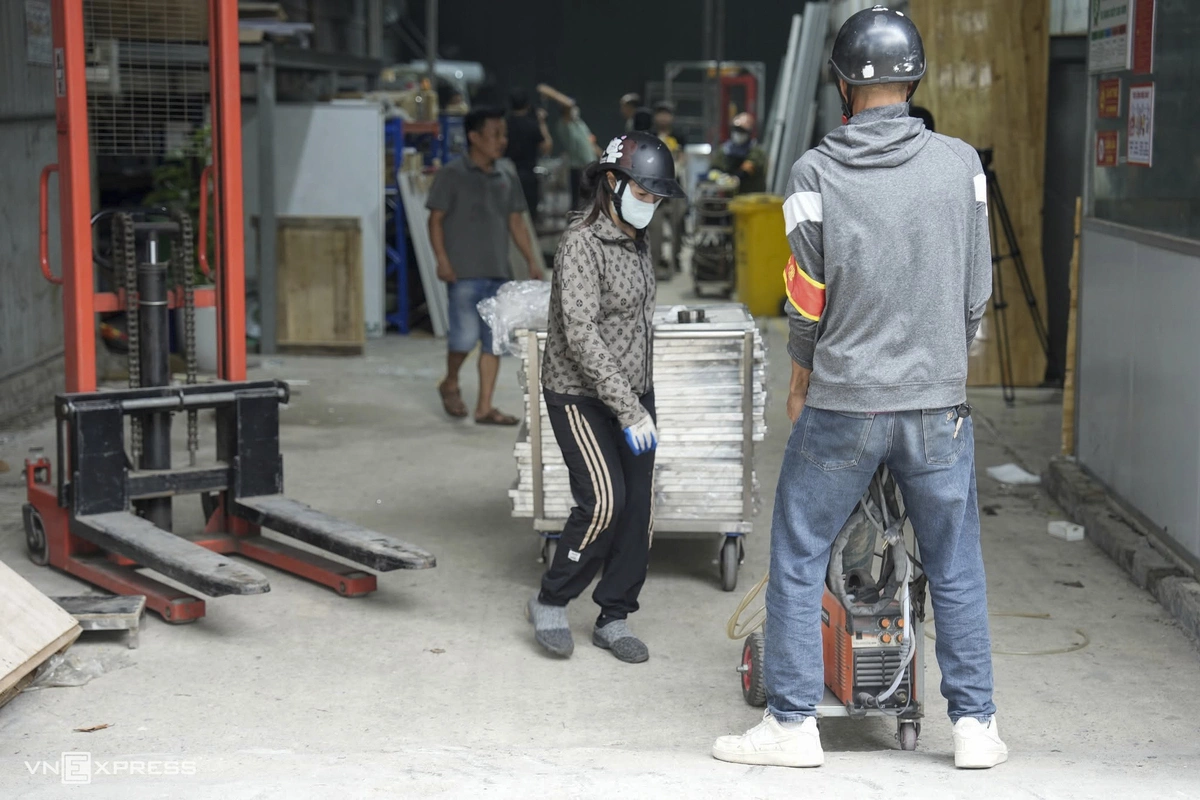
Similarly, in the Thanh Liet area, the local government has moved from warnings to forceful compliance. In the first phase of the operation, the district dismantled 20 distinct violations, covering a total surface area of over 1,680 square meters. Officials in this district, led by Chairman Bui Huy Hoang, have emphasized that the local government is determined to resolve these cases according to the rule of law, ensuring that violations do not persist or recur.
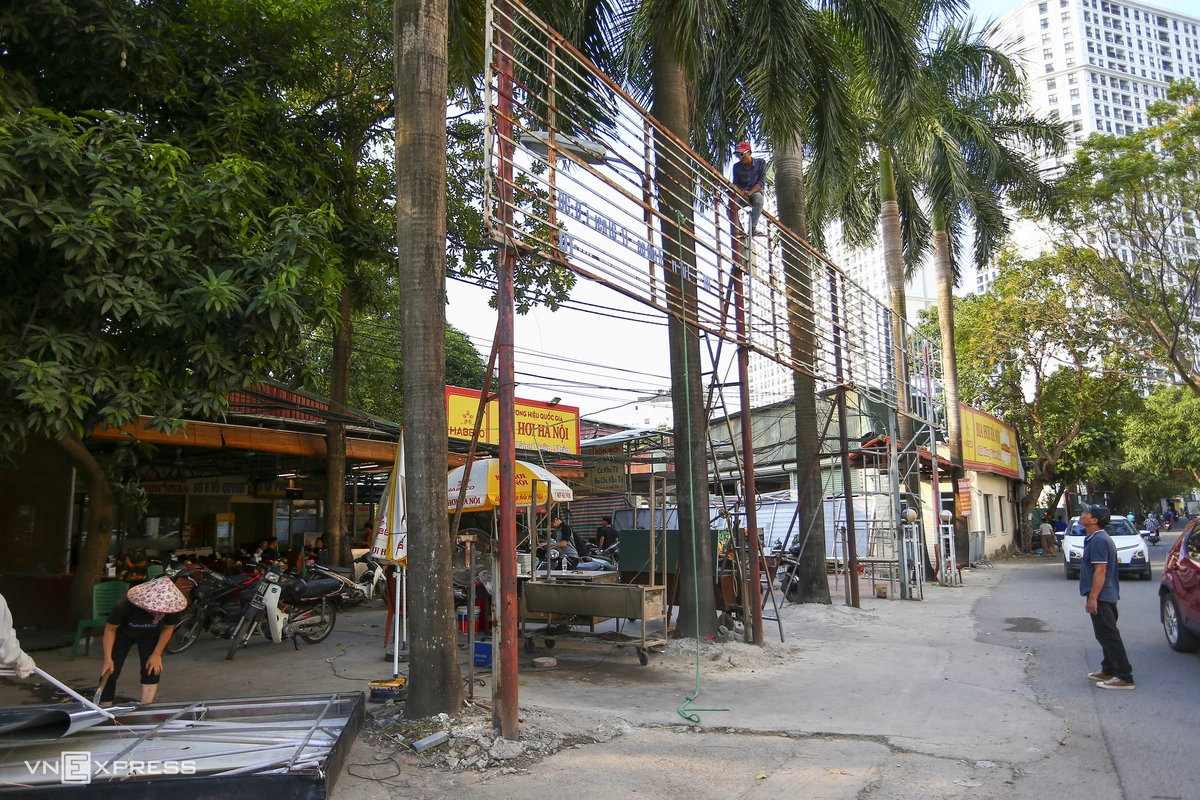
On Pham Van Bach Street, the Cau Giay district has also been active, targeting makeshift structures that had encroached upon designated land plots. By early November, the once-cluttered sites were largely cleared, leaving only remnants of materials that had not yet been fully hauled away.
The Human and Economic Impact
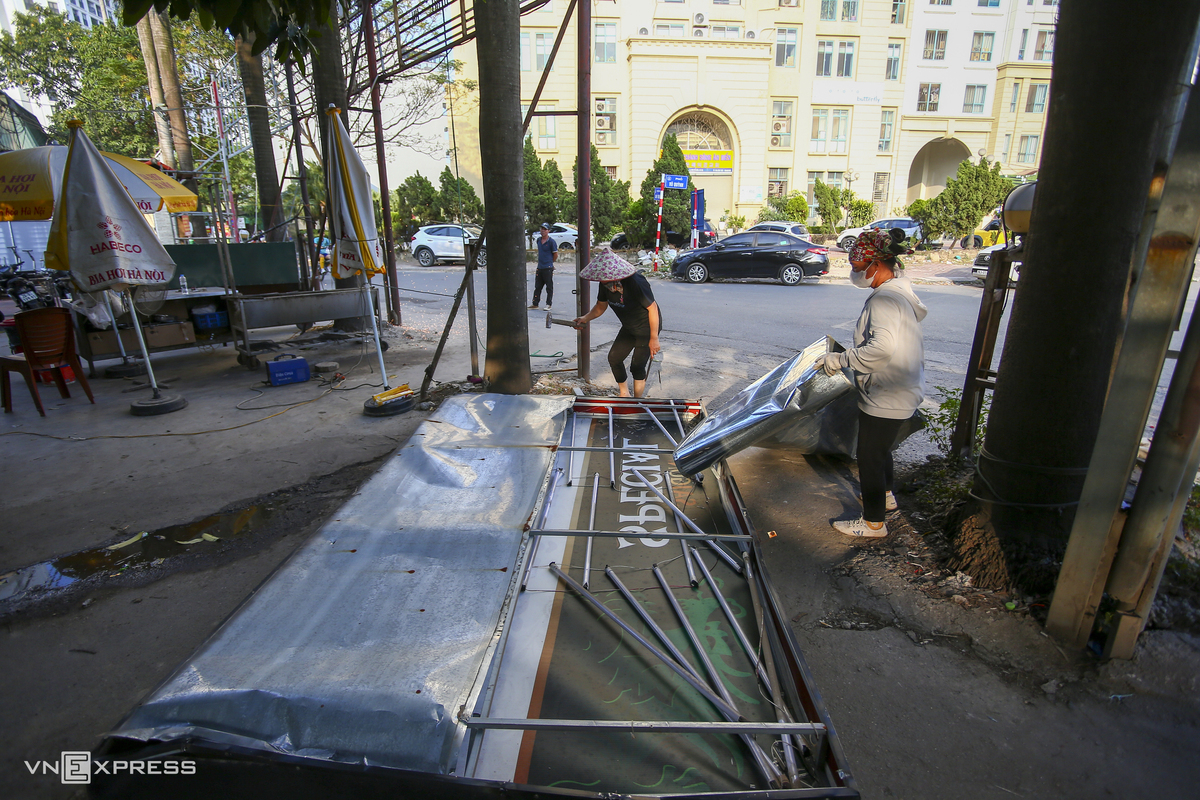
While the government maintains a firm stance, the process has involved a mixture of forced compliance and voluntary cooperation. In many instances, property owners have been encouraged to self-dismantle their structures, allowing them to salvage valuable materials such as steel beams, roofing, and other reusable components.
Local residents and business owners have expressed mixed but largely resigned reactions. Ms. Minh, who operated a wedding and event center that featured an unauthorized canopy structure, noted that the area had been vacant land for over a decade before authorities originally permitted citizens to utilize it for business. When the city mandated the removal of the structure, she and other business owners chose to comply, acknowledging the government’s authority and the necessity of the safety regulations. This cooperative approach has helped minimize the friction often associated with mass demolition campaigns.
Strategic Objectives and Official Response
The overarching strategy of the Hanoi Municipal People’s Committee is to reach a "clean slate" regarding these violations within the second quarter of 2027. The city’s approach is multifaceted, focusing on:
- Public Safety: Prioritizing the removal of structures that pose the highest risk to human life, particularly those failing fire safety audits.
- Land Management: Restoring the intended usage of land plots, which is critical for long-term urban development and infrastructure planning.
- Legal Compliance: Establishing a precedent that illegal construction, even if tolerated in the past, will eventually face scrutiny and removal.
Government officials have repeatedly stated that these actions are not punitive for the sake of punishment but are necessary to ensure the capital city remains a functional, safe, and modern environment. The process involves a thorough legal review, including notifying owners, hosting meetings to explain the relevant laws, and analyzing the specific risks associated with each site before any physical demolition takes place.
Broader Implications and Future Outlook
The implications of this campaign extend far beyond the immediate removal of structures. It signifies a transition toward more disciplined urban management in Hanoi. For years, the rapid growth of the city led to a proliferation of informal businesses and residential extensions that were built without oversight. As the city continues to modernize, the municipal government is effectively tightening the leash on these informal developments to align with stricter national safety standards.
For investors and business owners, the current environment serves as a warning that tenure on land—even if long-standing—is subject to strict adherence to zoning and safety laws. The ongoing demolition drive is expected to continue throughout the coming months, with authorities promising to monitor areas closely to prevent the emergence of new, unauthorized constructions.

Looking ahead, the successful completion of these demolitions will likely pave the way for more organized urban renewal projects. By clearing the "clutter" of non-compliant structures, the city creates space for authorized commercial activity, improved infrastructure, and green spaces that benefit the public at large. While the transition may be disruptive in the short term, the long-term goal remains the creation of a safer, more sustainable urban landscape for the citizens of Hanoi. The city’s commitment to meeting the Q2 2027 deadline suggests that this campaign will remain a top priority for local authorities as they continue to refine their regulatory frameworks and urban planning processes.