Honda ADV125 Expands Adventure Scooter Lineup with New Entry-Level Model Featuring eSP+ Engine Technology

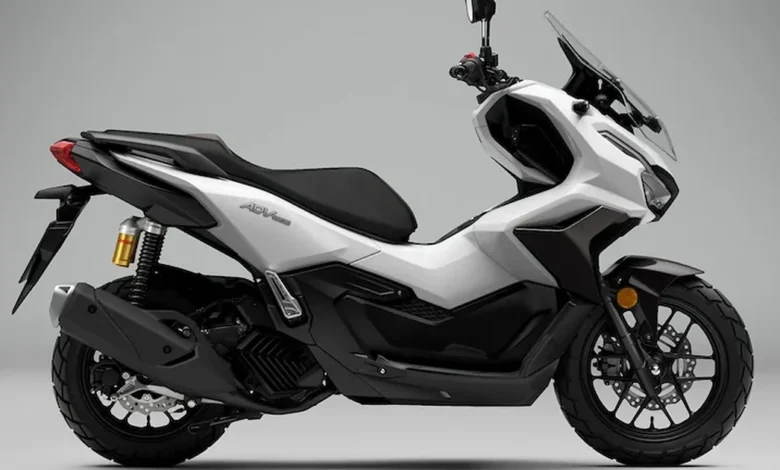
Honda has officially expanded its popular adventure-styled scooter family with the introduction of the all-new Honda ADV125, a strategic addition aimed at capturing the entry-level segment of the urban mobility market. By integrating the robust design philosophy of its larger siblings—the ADV160, ADV350, and the flagship X-ADV—into a more accessible 125cc displacement package, Honda is responding to a growing demand for versatile, city-friendly scooters that do not sacrifice the rugged aesthetics associated with adventure motorcycling. This launch marks a significant shift in Honda’s regional strategy, particularly in European markets, where the 125cc class remains a high-volume battleground for both commuters and recreational riders.
The Evolution of the Adventure Scooter Segment
The adventure scooter concept, pioneered effectively by Honda with the X-ADV, blends the convenience of a step-through frame with the suspension travel and tire specifications of a dual-sport motorcycle. Historically, this design language was reserved for high-capacity, premium machines. However, the market has seen a distinct shift over the past five years as riders in dense urban environments increasingly prioritize "go-anywhere" capability to navigate unpredictable road surfaces, construction zones, and varying terrain.
The timeline of this evolution began with the introduction of the X-ADV, which redefined the maxi-scooter category. Following its success, Honda introduced the ADV150 (and subsequently the ADV160) to cater to the mid-size displacement market. The launch of the ADV125 in the 2027 model year signifies the final phase of this democratization, bringing the ADV brand identity to riders who are either limited by A1 licensing requirements or who prefer the efficiency and lower insurance costs associated with smaller-displacement engines.
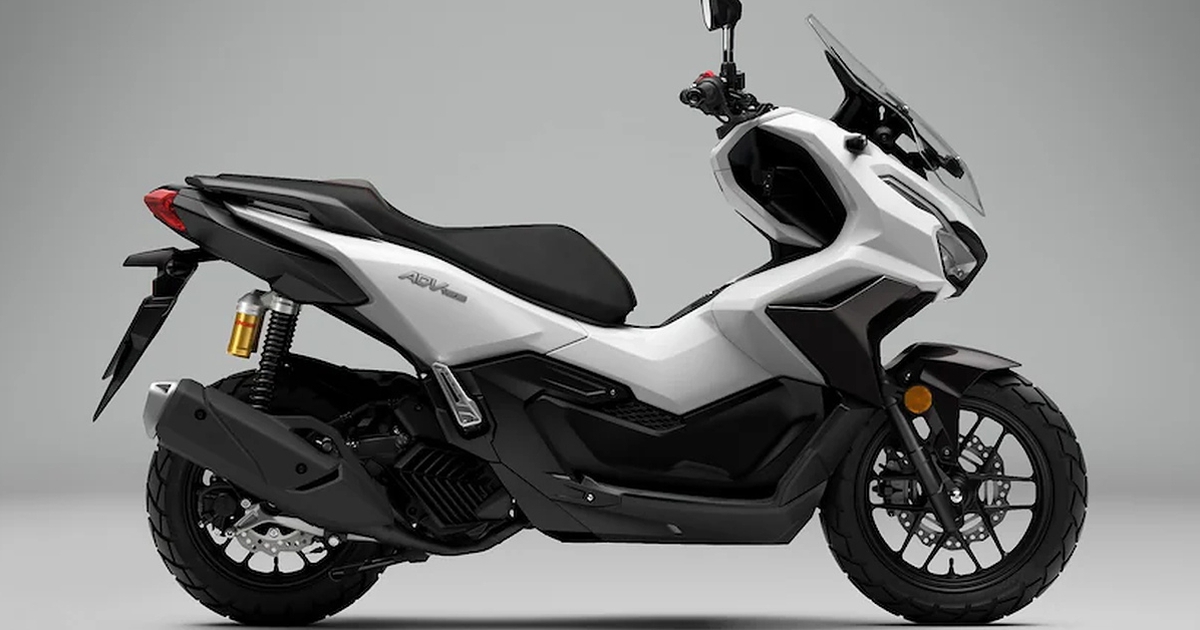
Technical Specifications and Engineering Highlights
At the heart of the Honda ADV125 lies the refined eSP+ (enhanced Smart Power Plus) 125cc single-cylinder engine. This liquid-cooled, four-valve power plant is a shared architecture with the renowned Honda PCX125, widely regarded as a benchmark for reliability and efficiency in the segment. The engine is tuned to deliver a maximum power output of 12.3 horsepower (9.1 kW) at 8,750 rpm, with a peak torque of 11.7 Nm arriving at 6,500 rpm. This power profile is optimized for urban agility, providing sufficient punch for stop-and-go traffic while remaining compliant with emission standards.
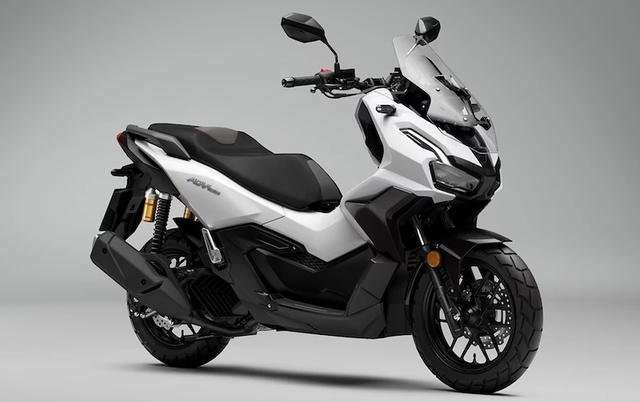
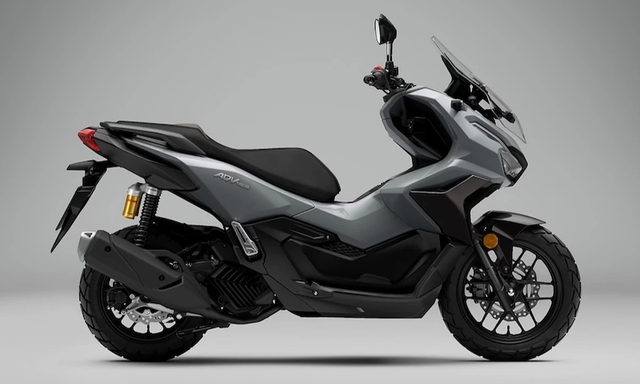
The chassis design is where the ADV125 truly distinguishes itself from standard urban commuters. The scooter features a front suspension system with 116 mm of travel, paired with a rear twin-shock setup offering 103 mm of travel, complete with remote reservoirs for improved damping consistency. With a ground clearance of 165 mm, the ADV125 provides a significant advantage over traditional scooters when encountering speed bumps or uneven pavement. Furthermore, the bike is fitted with dual-purpose tread tires, which provide enhanced traction on loose surfaces, effectively bridging the gap between a pure road bike and an off-road machine.
Advanced Technology and Rider Aids
Despite its entry-level positioning, Honda has opted to equip the ADV125 with a suite of high-end technologies previously found only on premium models. Most notably, the inclusion of the Honda Selectable Torque Control (HSTC) represents a major safety upgrade for this displacement class. The system monitors wheel slip and manages engine torque to prevent the rear wheel from losing traction during acceleration, a feature particularly beneficial in wet or sandy conditions.
The cockpit features a 5-inch full-color TFT display that serves as the central hub for the vehicle’s connectivity features. Through the Honda RoadSync system, riders can pair their smartphones to manage navigation, control music playback, and receive notifications without needing to handle their devices while in motion. Complementing this tech-forward approach are practical additions such as a USB Type-C charging port, a proximity-based Smart Key system, and full LED lighting, ensuring the model remains competitive with the increasingly sophisticated offerings from European and Asian rivals.
Practicality and Ergonomics
Honda has maintained a focus on utility, essential for the target demographic of commuters. The windshield is adjustable across a 75 mm range, allowing riders to tailor wind protection to their height and riding conditions. Under-seat storage capacity stands at 29 liters, which the manufacturer claims is sufficient to house a full-face helmet—a significant selling point for a scooter of this size. Additionally, a 2-liter front glovebox provides convenient storage for smaller essentials like keys, wallets, or charging cables. With a fuel tank capacity of 8.1 liters and a fuel consumption rate estimated at approximately 2.1 liters per 100 kilometers, the ADV125 offers a theoretical range of nearly 385 kilometers, minimizing the frequency of fuel stops for the daily commuter.
Market Implications and Strategic Positioning
The decision to introduce the ADV125 is a calculated move to secure market share in the European A1 license category. In many European nations, the A1 license restricts riders to motorcycles with a displacement of up to 125cc and a power output not exceeding 11 kW. By ensuring the ADV125 hits these specific regulatory marks, Honda has effectively opened the door to a massive demographic of new riders, younger commuters, and city dwellers who might otherwise have opted for competitor models.
Industry analysts suggest that this move will likely put pressure on manufacturers like Yamaha and Piaggio, who also operate in the premium 125cc segment. While Honda has yet to announce a specific MSRP, the branding of the ADV125 as an "entry-level" model suggests a price point that will likely sit below the ADV160, making it the most affordable entry point into the ADV family.
Future Outlook and Official Stance
While the Japanese manufacturer has remained relatively quiet regarding specific regional rollout dates beyond the initial European announcement, the global reception has been overwhelmingly positive. Spokespeople for Honda have emphasized that the ADV125 is not merely a downsized version of their larger scooters, but rather a "purpose-built urban explorer."
The shift toward smaller, more efficient, yet highly capable machines suggests that Honda is betting on the long-term viability of the urban adventure category. As city centers move toward stricter emissions zones and increased traffic congestion, the appeal of a vehicle that combines the low operating costs of a small scooter with the visual and functional ruggedness of an adventure bike is expected to grow. The ADV125, by effectively lowering the barrier to entry, positions Honda to dominate this niche as it transitions from a specialized segment into a mainstream preference for modern motorcycle riders. Whether in the tight streets of Rome or the bustling intersections of Bangkok, the ADV125 is poised to become a staple of the global landscape, proving that adventure is not defined by displacement, but by the capability to traverse the everyday world.
Related posts: