Da Nang Approves 7.585 Trillion VND Cua Lo Maritime Channel Project with THACO-Linked Enterprise Participation in Feasibility Study

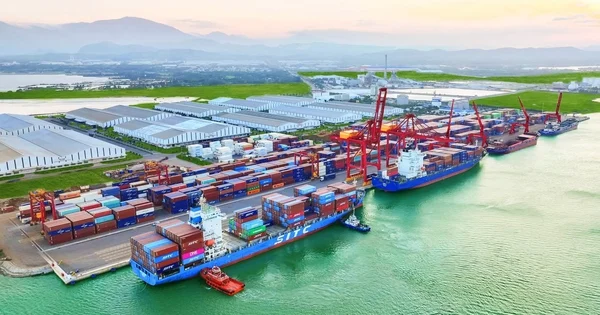
Da Nang City has officially approved the investment project for the construction of the Cua Lo maritime channel, a critical infrastructure initiative budgeted at 7.585 trillion VND. The project will be executed under a Public-Private Partnership (PPP), specifically utilizing a Build-Transfer (BT) contract model. This strategic decision marks a significant step forward in the region’s maritime logistics capabilities, aiming to transform the southern port sector of Da Nang into a premier international transport hub for Central Vietnam and the Central Highlands.
Main Facts and Project Scope
The ambitious Cua Lo maritime channel project is classified as a grade-one maritime transportation infrastructure work, designed with a structural operational lifespan of 50 years. The primary objective is to construct a deep-water shipping channel through the Cua Lo estuary, accompanied by comprehensive breakwaters, training walls, and advanced navigational aids.
Upon completion, the channel will accommodate vessels up to 50,000 DWT (Deadweight Tonnage), seamlessly connecting the open sea to the Tam Hiep and Tam Hoa port terminals. The technical specifications of the shipping lane include a length of approximately 6.58 kilometers, a channel width of 140 meters, and a dredged bed depth of -13.2 meters based on chart datum. Additionally, the project encompasses the establishment of dedicated pilot boarding areas and robust marine safety systems.
A prominent feature of the engineering design is the construction of extensive wave-breaking and sand-stopping structures to protect the maritime corridor from severe open-sea conditions. This includes a western breakwater stretching approximately 1.2 kilometers and an eastern breakwater of equivalent length. Furthermore, the two banks of the Cua Lo estuary will be reinforced with protective revetments, featuring a western revetment of 852 meters and an eastern shoreline protection line extending over 1.1 kilometers.
Chronology and Implementation Timeline
The administrative and operational roadmap for the Cua Lo maritime channel project has been carefully delineated by the municipal authorities of Da Nang.
- November 7, 2026: The People’s Committee of Da Nang City officially issued the investment approval decision for the Cua Lo maritime channel project under the BT delivery mechanism.
- Q4 2026: The municipal government plans to conduct open domestic bidding to select the official primary investor for the construction phase, alongside the commencement of project execution.
- Q4 2026 – Q4 2028: The targeted construction window for dredging the channel, building breakwaters, and installing navigational infrastructure.
- Post-2028: The operational phase begins, with the concession period extending until the local government finalizes all financial obligations and capital compensation to the investor through the designated land funds.
The project’s feasibility study was notably prepared by the Dai Quang Minh Real Estate Investment Joint Stock Company, a corporate entity operating within the extensive ecosystem of the Truong Hai Group Corporation (THACO). Meanwhile, the Chu Lai Open Economic Zone Management Board has been designated as the primary governmental agency responsible for receiving and processing the investor’s official dossiers.
Supporting Data and Capacity Projections
The economic justification for the 7.585 trillion VND investment is underpinned by rigorous cargo throughput projections that demonstrate a sharply escalating demand for maritime logistics in the region.
According to planning estimates, the Cua Lo maritime channel is projected to handle:
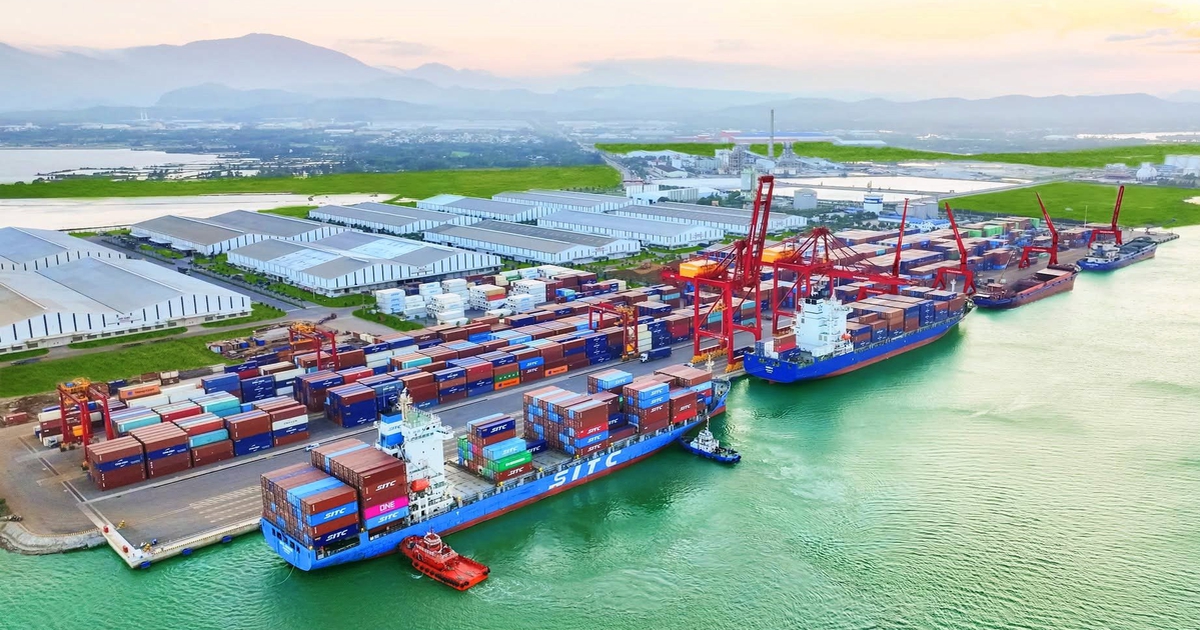
- 7.5 to 9 million tons of cargo per year by 2030.
- 14 million tons per year by 2040.
- 22 million tons per year by 2050.
These volumes reflect the anticipated industrial growth of the Chu Lai Open Economic Zone and the broader southern Da Nang industrial footprint. By accommodating 50,000 DWT vessels, the port infrastructure will eliminate the transshipment bottlenecks that have historically constrained large-scale bulk and containerized shipping in Central Vietnam.
Financial Mechanism: The Build-Transfer (BT) Model and Land Fund Compensation
The execution of the Cua Lo maritime channel project relies on a Build-Transfer (BT) contractual framework, where the private developer funds the construction and is subsequently reimbursed through designated state-owned land assets rather than direct cash disbursements from the state budget.
The municipal administration has earmarked two major land areas to compensate the investor:
- Tam Hoa Port Industrial and Logistics Park: A non-tariff zone spanning approximately 744 hectares, strategically situated adjacent to the Tam Hoa port terminals to foster integrated logistics and manufacturing activities.
- Tam Hoa – Tam Tien Urban, Service, and Tourism Residential Area (Area 1): A comprehensive commercial and residential development zone covering approximately 590 hectares.
The contract duration for the project spans from the fourth quarter of 2026 until the final settlement of capital obligations is completed by the local government, ensuring a balanced risk-sharing mechanism between public authorities and the private consortium.
Broader Impact and Strategic Implications
The approval of the Cua Lo maritime channel project carries profound economic implications for Da Nang, the Central region, and international trade corridors across mainland Southeast Asia.
From a regional connectivity perspective, the upgraded port and channel system serves as a vital maritime gateway not only for the Central Highlands of Vietnam but also for cross-border trade corridors connecting to Southern Laos, Northeastern Cambodia, and Thailand. By bridging inland manufacturing hubs with deep-water shipping lanes, the project directly supports the East-West Economic Corridor framework.
Economically, the initiative is expected to fundamentally shift the economic geography of Da Nang by accelerating the development of the city’s southern territories. Transforming the southern port cluster into a first-class maritime facility will drastically reduce logistics expenditures for local enterprises, lower supply chain overheads, and enhance the overall competitiveness of Central Vietnam in attracting foreign direct investment (FDI).
Furthermore, the involvement of major domestic conglomerates like THACO through specialized subsidiaries highlights the growing synergy between private sector industrial capabilities and public infrastructure development in Vietnam. As construction commences in late 2026, the project stands as a benchmark for modernizing national maritime infrastructure through innovative public-private partnership models.
Related posts: