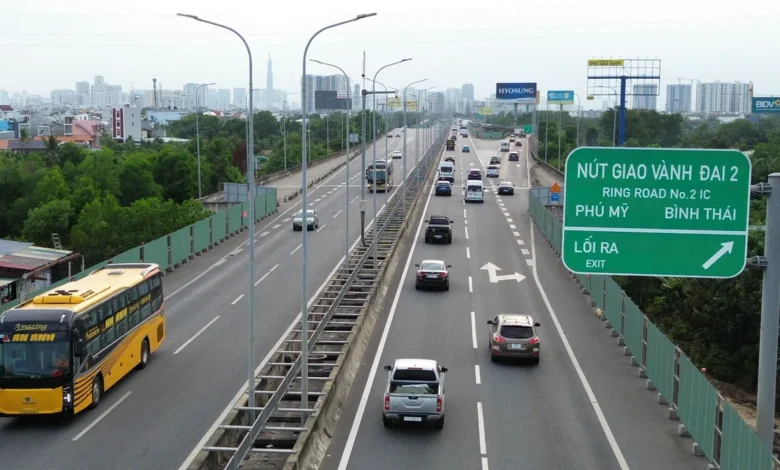
The Airports Corporation of Vietnam (ACV) has officially announced a pioneering transport initiative to establish dedicated bus routes connecting Ho Chi Minh City directly to the Long Thanh International Airport. This strategic move, slated to commence operations in December 2026, aims to address the critical need for seamless connectivity as the national mega-project prepares to welcome its first passengers. By integrating public transit into the airport’s operational framework, authorities hope to mitigate traffic congestion on key arterial roads and provide a reliable, predictable travel experience for domestic and international travelers.
Strategic Connectivity and Traffic Mitigation
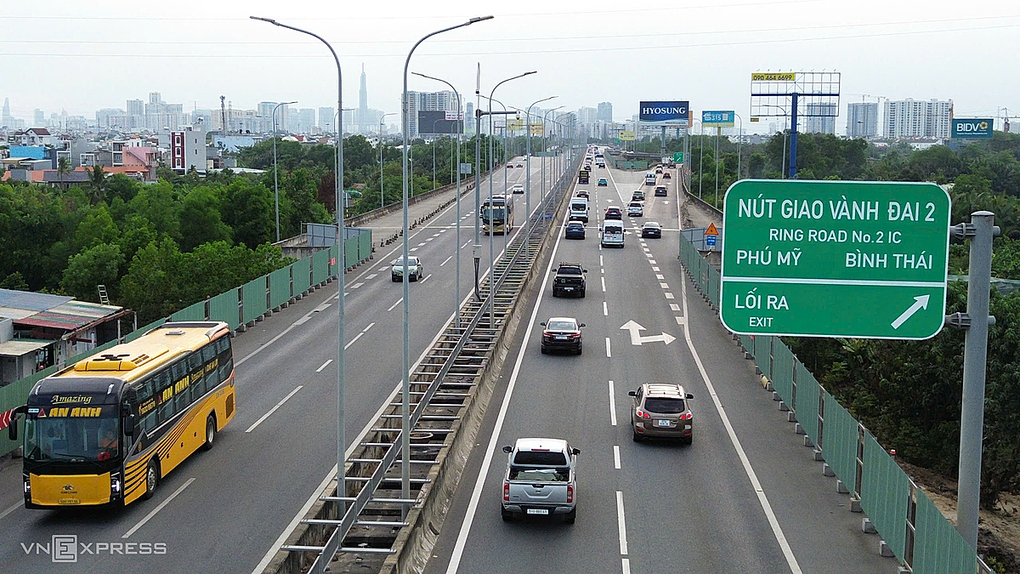
The reliance on road transport for accessing Long Thanh International Airport, located in Dong Nai province, has long been a focal point for urban planners. As the airport prepares for its inaugural phase, the heavy reliance on the Ho Chi Minh City – Long Thanh – Dau Giay expressway and National Highway 51 has raised concerns regarding potential bottlenecks.
ACV, as the primary investor and operator, has identified these routes as high-risk areas for congestion. To counteract this, the corporation is implementing a sophisticated traffic management scheme. This includes the designation of priority lanes for airport-bound buses and transit vehicles at major traffic intersections. By optimizing the flow of high-capacity vehicles, ACV intends to stabilize travel times, ensuring that passengers reach their terminals punctually and reducing the risk of missed flights.
The Operational Framework
The planned bus network is not merely an auxiliary service but a core component of the airport’s integrated logistics strategy. The proposal involves 13 dedicated bus routes that will serve as the primary link between the city center and the new aviation hub.
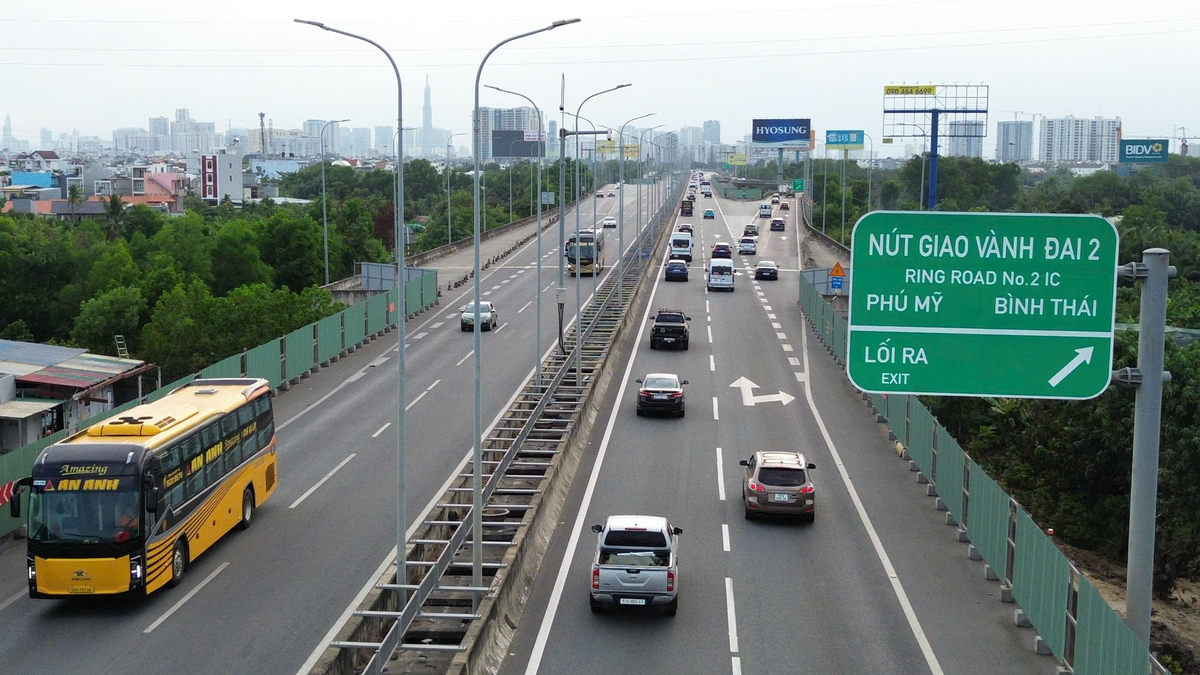
According to officials, the service model will follow the "high-quality airport bus" standard. This implies limited stops at major transit hubs rather than frequent pickups along the road, a design choice specifically intended to shorten travel duration. The implementation will be phased, aligning with the projected growth of the airport’s passenger throughput and the broader development of regional transit infrastructure.
Contextual Background: A National Priority
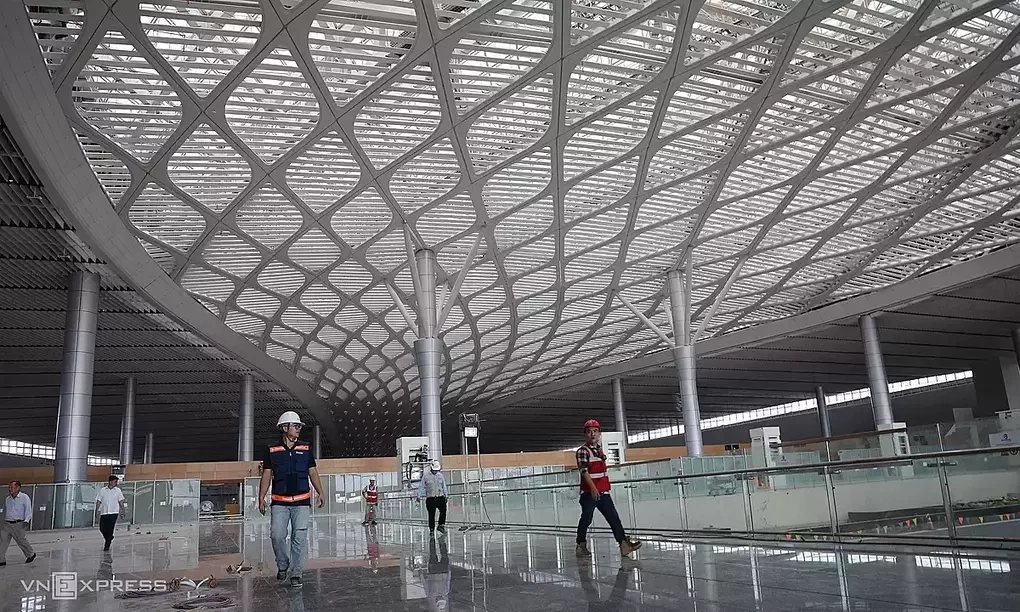
Long Thanh International Airport is the largest aviation infrastructure project in Vietnam’s history. Envisioned as a premier regional transit hub, its first phase is designed to handle an annual capacity of 25 million passengers and 1.2 million tons of cargo.
The necessity for a robust ground transport network is underscored by the airport’s distance from Ho Chi Minh City, the primary catchment area for its passengers. As the nation shifts toward a more integrated transport ecosystem, the connectivity between Tan Son Nhat International Airport and Long Thanh has become a top priority. ACV is currently studying models to facilitate direct bus connections between the two airports, which would significantly assist transit passengers and streamline the transition process for those moving between the older facility and the new, high-tech terminal.
Chronology and Development Roadmap
The project has undergone rigorous planning to reach its current implementation stage:
- Early 2025: Initial feasibility studies were conducted to assess traffic volume and passenger demand between Ho Chi Minh City and the Long Thanh site.
- Mid-2026: Coordination between municipal authorities and transport agencies finalized the selection of 13 primary routes.
- October 2026: ACV unveiled the traffic management plan, focusing on dedicated transit lanes and intersection prioritization.
- December 2026 (Scheduled): Commercial operations for the airport bus network are set to begin, coinciding with the airport’s opening.
Data-Driven Projections
For its initial phase of operation, ACV anticipates a weekly flight frequency of 366, comprising 322 domestic flights and 44 international flights. The bus network is being scaled to match this demand. Planners have calculated that by centralizing pickup points at major urban hubs within Ho Chi Minh City, the system can reduce the total travel time by approximately 20-30% compared to private vehicle transit during peak hours.
Furthermore, the integration of real-time traffic monitoring systems at the airport’s entrance will allow for dynamic adjustments to bus scheduling. If sensors detect a surge in traffic on the primary expressways, the system is designed to signal incoming transit vehicles to utilize alternative routes or adjust speeds to maintain consistent arrival intervals.
Official Responses and Stakeholder Perspectives
While the announcement has been met with general optimism, it has also sparked discussions among urban planners regarding the sustainability of road-based transit in the long term.
"The bus network is an essential bridge," noted a spokesperson for the transport sector. "However, the ultimate success of Long Thanh rests on the long-term integration of high-speed rail and metro extensions. Our current efforts focus on maximizing the existing highway capacity through smart, prioritized transit."
ACV has emphasized that the design of the airport’s approach roads includes dedicated zones for public transit, ensuring that buses do not compete with private vehicles for space. This architectural separation is a significant departure from standard airport designs in the region and reflects a commitment to prioritizing mass transit over individual car ownership.
Broader Economic and Urban Implications
The implications of this initiative extend beyond simple passenger logistics. For Ho Chi Minh City, the bus link represents an expansion of its urban influence and a move toward a more regionalized metropolitan area.
- Reduced Carbon Footprint: By encouraging the use of high-capacity buses over private cars or taxis, the carbon emissions per passenger are expected to drop significantly, aligning with national green energy targets.
- Economic Efficiency: Faster and more reliable transit routes allow for better utilization of labor and human capital, as employees and service providers working at the airport can commute more efficiently.
- Regional Integration: The project serves as a test case for how to effectively connect satellite infrastructure to major economic engines, potentially setting a blueprint for future airport developments in other provinces.
Conclusion: Looking Ahead
As December 2026 approaches, all eyes are on the successful execution of these transit strategies. The introduction of dedicated bus routes is the first step in a larger, multi-modal transport strategy that will define the efficiency of Long Thanh International Airport.
The challenges remain significant—particularly regarding the inherent congestion of existing highways—but the collaborative approach between ACV and local authorities suggests a proactive stance. By leveraging both infrastructure upgrades and smart management of existing road networks, the authorities are laying the groundwork for a transit system that can grow in tandem with the airport’s operational capacity.
In the coming months, public awareness campaigns will be critical to ensuring that passengers are familiar with the new routes and ticketing systems. As Vietnam moves closer to the grand opening of its new flagship airport, the success of this bus network will serve as a bellwether for the country’s ability to manage the complex, high-speed demands of 21st-century aviation infrastructure.