The geopolitical landscape of the Middle East is perpetually shaped by the intricate and often volatile relationship between Israel and Iran. Both nations possess significant military capabilities, each with distinct strengths and strategic doctrines. While direct confrontation has been largely avoided, a persistent shadow of potential conflict looms, necessitating a detailed examination of their respective armed forces. This analysis delves into the key components of their military power, comparing their air forces, missile capabilities, ground forces, naval assets, and technological advancements, to provide a comprehensive understanding of their strategic standing.
Israel’s Air Superiority and Advanced Defense Systems
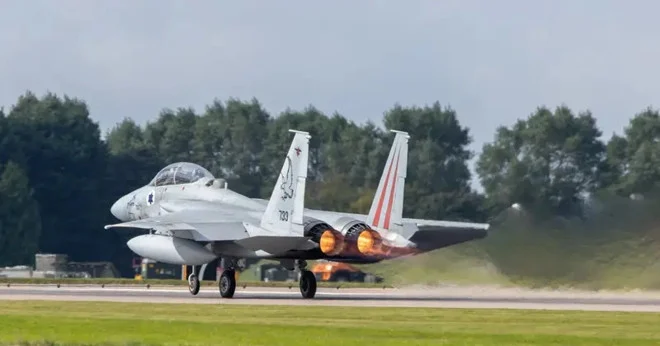
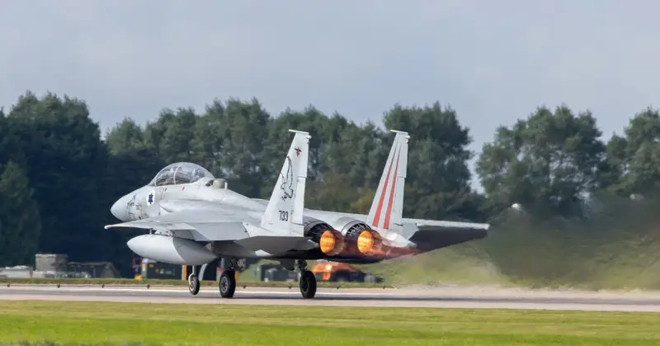
The Israeli Air Force (IAF) is widely recognized as one of the most advanced and capable air forces in the world. Its operational doctrine emphasizes technological superiority, rapid deployment, and precision strikes. The IAF boasts a formidable fleet of modern fighter jets, including the F-35I Adir, an advanced variant of the Lockheed Martin F-35 Lightning II, which provides unparalleled stealth capabilities and advanced sensor fusion. Alongside the F-35I, Israel operates a substantial number of F-15I Ra’am and F-16I Sufa multirole fighter aircraft, renowned for their combat effectiveness and versatility. These platforms are equipped with cutting-edge avionics, electronic warfare systems, and a wide array of precision-guided munitions, enabling them to conduct complex air-to-air and air-to-ground missions with high accuracy.
Beyond its fighter fleet, the IAF is equipped with a variety of support aircraft, including advanced reconnaissance planes, aerial refueling tankers, and a robust helicopter force comprising attack helicopters like the AH-64 Apache and transport helicopters. The integration of these diverse assets allows for seamless joint operations and extended mission reach.
A cornerstone of Israel’s defense strategy is its sophisticated missile defense network. The country has developed and deployed multiple layers of defense to intercept a wide spectrum of aerial threats. The Iron Dome system, famously effective against short-range rockets and mortar shells, has been credited with saving countless lives in conflict zones. Complementing the Iron Dome are the David’s Sling system, designed to counter medium-range missiles, and the Arrow system, specifically developed to intercept long-range ballistic missiles, including those potentially equipped with nuclear warheads. This multi-layered approach aims to create a comprehensive protective umbrella, significantly mitigating the impact of missile attacks. The development and continuous enhancement of these systems underscore Israel’s commitment to safeguarding its population and infrastructure against ballistic and tactical missile threats.
Israel’s Ground Dominance and Naval Strength
The ground forces of the Israel Defense Forces (IDF) are characterized by their high level of training, advanced armored capabilities, and emphasis on rapid maneuver warfare. At the forefront of its armored might is the Merkava Mk. 4 main battle tank. Widely regarded as one of the most sophisticated tanks globally, the Merkava is designed with crew survivability as a paramount concern, featuring a unique front-engine layout and advanced protection systems. Its firepower, mobility, and defensive capabilities make it a formidable asset on the battlefield.
Beyond the Merkava, the IDF operates a range of other advanced armored vehicles, including the Namer heavy armored personnel carrier, which offers exceptional protection for infantry, and the Eitan armored fighting vehicle, a wheeled platform designed for rapid deployment and versatility. The integration of these advanced ground platforms, coupled with well-trained infantry and artillery units, provides the IDF with a potent and adaptable ground combat capability.
The Israeli Navy, while smaller in scale compared to its air and ground forces, plays a crucial role in projecting power and securing maritime interests. Its submarine fleet includes Dolphin-class submarines, which are widely believed to be capable of launching nuclear-armed cruise missiles, providing Israel with a significant second-strike capability. In addition to its submarines, the Israeli Navy operates Sa’ar 6-class corvettes, modern warships equipped with advanced combat systems and missile defenses, designed to protect Israel’s offshore gas fields and maritime borders. The navy also includes Sa’ar 5-class corvettes, which have been in service for some time but have undergone significant upgrades to maintain their operational relevance.
Iran’s Extensive Missile Arsenal and UAV Prowess
Iran’s military strategy is heavily reliant on its substantial missile program and its rapidly developing Unmanned Aerial Vehicle (UAV) capabilities. The country possesses the largest and most diverse ballistic missile arsenal in the Middle East, including short-range, medium-range, and intermediate-range ballistic missiles. These missiles are capable of reaching targets across the region, serving as a primary deterrent against potential aggressors. Notable among Iran’s missile inventory are the Emad and Ghadr missiles, which are believed to possess improved accuracy and range. The development of these solid-fueled and liquid-fueled ballistic missiles demonstrates Iran’s sustained investment in its strategic weapons programs, aimed at projecting power and influencing regional security dynamics.
Iran has also invested heavily in cruise missiles, which offer a different set of tactical advantages, including lower flight profiles and greater maneuverability, making them harder to detect and intercept. These systems are designed to complement its ballistic missile forces, providing a more flexible and adaptable strike capability.
In recent years, Iran has emerged as a major global player in the development and deployment of UAVs. The country is recognized as one of the most proficient nations in drone technology in the region, with a diverse range of unmanned aircraft employed for reconnaissance, surveillance, and combat missions. Iranian UAVs, such as the Shahed series, have been utilized extensively by Iran and its proxies across various theaters of conflict. These drones are often characterized by their relatively low cost, ease of production, and adaptability for a variety of roles, from kamikaze attacks to persistent surveillance. The proliferation of Iranian drones has become a significant concern for regional and international security actors.
Iran’s Air Force and Air Defense Capabilities
The Iranian Air Force (IRIAF) is a complex mix of Soviet-era aircraft and more modern platforms, many of which were acquired before the 1979 Islamic Revolution. Despite facing significant international sanctions that have hampered its ability to acquire new Western aircraft, Iran has made efforts to maintain and upgrade its existing fleet. Its inventory includes aircraft like the F-4 Phantom II, F-5 Tiger II, and F-14 Tomcat, which, while aging, have undergone various modernization programs to extend their operational life and enhance their capabilities. Iran has also developed its own indigenous aircraft production capabilities, though these often rely on reverse-engineered technologies or collaborations with other nations.
In terms of air defense, Iran operates a layered system designed to protect its airspace. This includes a combination of Soviet-era S-300 and S-400 missile systems, acquired from Russia, alongside indigenously developed systems like the Bavar-373. These advanced air defense networks are intended to provide a robust shield against aerial threats, including aircraft and ballistic missiles. However, despite these efforts, Iran’s air defense capabilities are generally considered less advanced and integrated than those of Israel, particularly in terms of electronic warfare and sophisticated targeting systems. The reliance on older platforms and the challenges posed by sanctions have created a gap in technological parity with more advanced air forces.
Comparative Strategic Doctrines and Implications
When comparing the military capabilities of Israel and Iran, several key strategic differences emerge. Israel’s military doctrine is centered on maintaining a qualitative technological edge, emphasizing rapid offensive operations, pre-emption, and the development of advanced defensive systems. Its strategy is largely geared towards deterring conventional and unconventional threats, ensuring its security in a volatile region, and maintaining regional stability through military superiority. The IDF’s emphasis on precision, intelligence gathering, and advanced command and control systems reflects a strategy designed for swift and decisive action.
Iran, on the other hand, has adopted a strategy of asymmetric warfare, leveraging its substantial missile and drone capabilities to project power and deter potential adversaries. Its doctrine emphasizes resilience, the ability to inflict significant damage through long-range strikes, and the use of proxy forces to expand its influence and create strategic depth. Iran’s focus on developing a large and diverse missile arsenal, coupled with its extensive use of UAVs, reflects a strategy designed to counter the technological superiority of its adversaries by overwhelming them with sheer numbers and a wide range of asymmetric threats. The aim is to create a situation where the cost of any military engagement would be unacceptably high for its opponents.
The implications of this military balance are profound. Israel’s technological advantage, particularly in air power and missile defense, provides it with a significant defensive and offensive capability. However, Iran’s vast missile arsenal and growing drone program present a persistent and widespread threat that could overwhelm even advanced defenses. The potential for escalation in any direct conflict between the two nations is a major concern, with the risk of regional destabilization and wider geopolitical ramifications.
The ongoing arms race between these two regional powers, driven by their respective security concerns and strategic ambitions, continues to shape the Middle East’s complex security architecture. While Israel prioritizes technological superiority and defensive measures, Iran focuses on asymmetric capabilities and strategic deterrence through a broad spectrum of offensive weapons. The outcome of any potential confrontation would likely depend not only on the raw numbers of military assets but also on the effectiveness of their integration, the quality of intelligence, the strategic decisions made by their leadership, and the broader geopolitical context in which such a conflict might unfold. The continuous development and deployment of new weapon systems by both nations underscore the enduring challenge of achieving lasting peace and stability in the region.