Korea Football Association Imposes Severe 10-Year Ban on Former Indonesia Coach Shin Tae Yong Following Player Assault

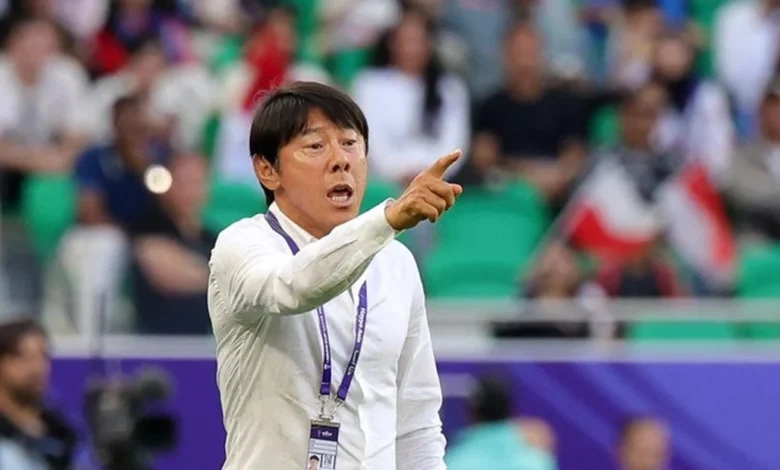
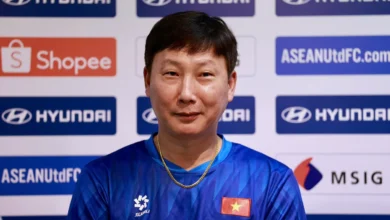
Seoul, South Korea – The Korea Football Association (KFA) has delivered a stringent penalty against former Indonesia national team head coach, Shin Tae Yong, revoking his coaching license and instituting a 10-year ban from all football-related activities within South Korea. The disciplinary action, widely reported by prominent South Korean news outlets including Sportsseoul, Tribunnews, and Tirto on the morning of July 24, stems from an incident of physical assault involving a player during Shin Tae Yong’s brief tenure as head coach of K-League 1 club Ulsan HD.
The KFA’s Disciplinary Committee, which began its deliberations earlier in July, concluded its review and formally notified Shin Tae Yong of its decision. While the KFA cited regulations pertaining to the confidentiality of sensitive personal information for not publicly disclosing all specific details of the case, media reports unequivocally link the severe sanctions to an altercation in which Shin Tae Yong was alleged to have slapped former Ulsan HD defender Jung Seung Hyun. This incident reportedly took place during the 2025 K-League season, plunging the club’s dressing room into turmoil.
Details of the Sanction and its Immediate Impact
The penalty levied against Shin Tae Yong is comprehensive within South Korean jurisdiction. It includes:
- Revocation of Coaching License: This effectively bars him from holding any official coaching position or engaging in any coaching activities at any level of football in South Korea.
- 10-Year Ban from Football Activities: For a decade, Shin Tae Yong is prohibited from participating in any capacity in football operations, including administrative roles, advisory positions, or even attending matches as an official on South Korean territory.
- Prohibition from Stadium Appearances: This specific clause restricts his presence at football stadiums for any official purpose within South Korea for the duration of the ban.
Initially, the disciplinary committee was reportedly considering even harsher measures, including a lifetime ban from all football activities within the country. The final decision, while not a lifetime prohibition, is still considered exceptionally severe, reflecting the KFA’s firm stance against player abuse and its commitment to upholding professional conduct standards.
Chronology of Events at Ulsan HD
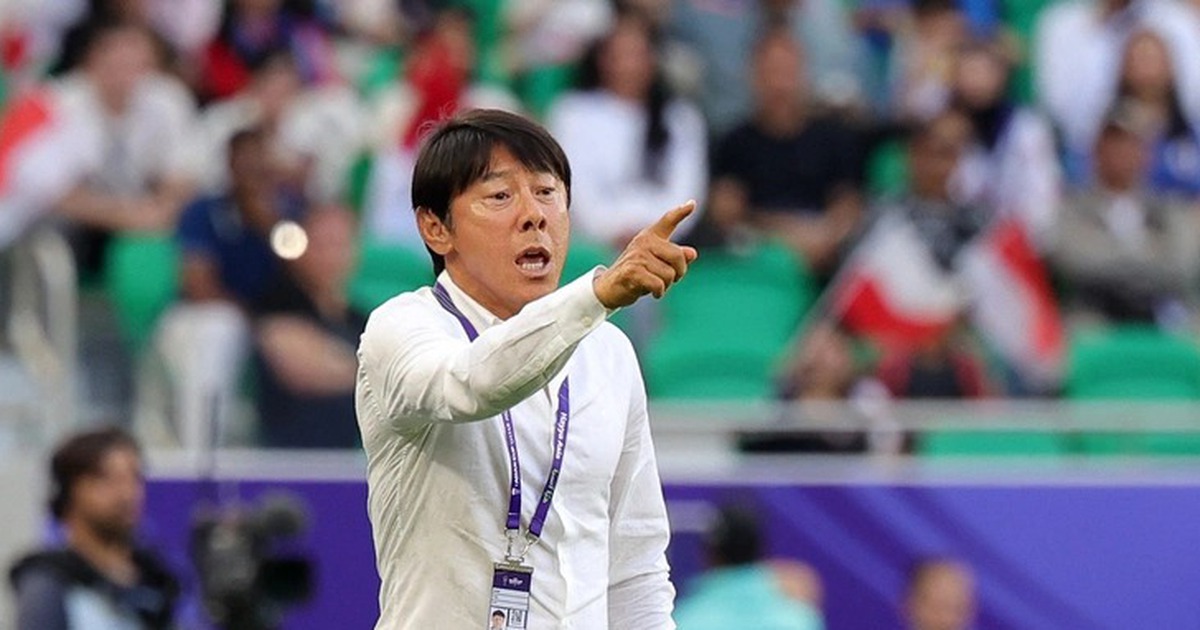
Shin Tae Yong’s ill-fated stint with Ulsan HD began in August 2025. He was appointed with the explicit goal of revitalizing the former K-League champions, who were reportedly struggling to find their form and climb the league table. However, what was intended to be a strategic move to leverage his renowned tactical prowess quickly devolved into what many now describe as a "nightmare."
His two-month tenure at Ulsan HD was marred by persistent internal conflicts and a string of disappointing results. The apex of these troubles was the alleged physical altercation involving Jung Seung Hyun. The incident, which created a highly disruptive atmosphere within the Ulsan HD locker room, was not immediately made public but contributed significantly to the club’s poor performance. By October 2025, just two months after his appointment, Shin Tae Yong was sacked from his position at Ulsan HD due to the team’s dismal record and the escalating internal strife.
The details of the alleged assault, however, only came to light publicly in December 2025, when Jung Seung Hyun broke his silence and openly discussed the incident with the media. His testimony was critical in triggering the formal investigation and subsequent disciplinary proceedings by the KFA.
Player’s Powerful Testimony
Jung Seung Hyun’s decision to speak out months after the incident underscored the seriousness of the situation and brought the issue of player welfare to the forefront. In his public statement, he powerfully articulated his experience, emphasizing the unacceptability of such behavior in contemporary sports.
"That is an act completely out of step with modern times," Jung Seung Hyun reportedly stated. "Regarding violence, even if the perpetrator does not intend it, if the victim feels hurt, it is still violence."
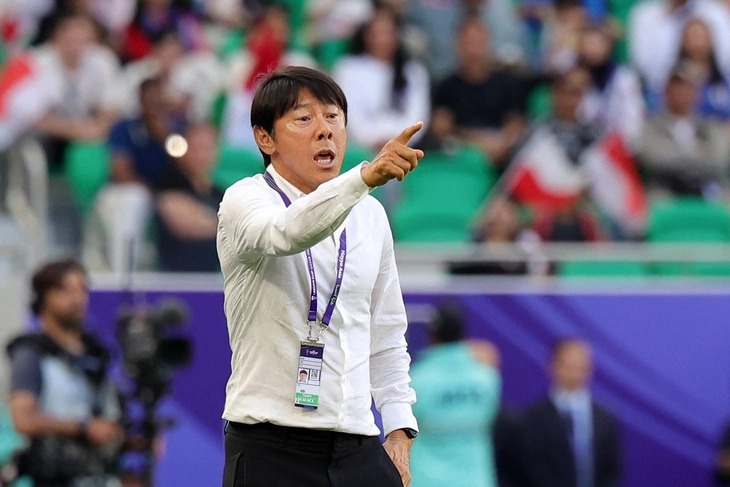
This quote highlights a crucial aspect of modern disciplinary codes in sports: the impact on the victim, regardless of the perpetrator’s intent. It reflects a global shift towards prioritizing player safety and mental well-being, moving away from older, more permissive attitudes towards aggressive coaching methods. The KFA’s response indicates their alignment with these evolving international standards, reinforcing that physical aggression against players, regardless of context, will not be tolerated.
KFA’s Disciplinary Process and Broader Context
The KFA’s Disciplinary Committee initiated its formal investigation and hearings in early July. This process involved gathering evidence, reviewing testimonies, and applying the association’s code of conduct. The decision to maintain some confidentiality around the specific details, citing sensitive personal information, is standard practice in many sports federations to protect the privacy of all involved parties, particularly the victim. However, the outcome clearly signals a zero-tolerance policy towards coach-on-player violence.
This incident is not isolated in the broader context of South Korean sports. Over recent years, there has been increasing scrutiny and public outcry over various forms of abuse, from physical and verbal harassment to sexual assault, across multiple sports disciplines. This heightened awareness has pressured governing bodies, including the KFA, to adopt stricter regulations and enforce them more rigorously. The severe penalty for Shin Tae Yong serves as a stark warning and a clear statement about the KFA’s commitment to creating a safer and more professional environment for athletes. It sends a strong message that even highly respected figures in football are not immune to accountability for misconduct.
Shin Tae Yong’s Current Position and Lack of Response
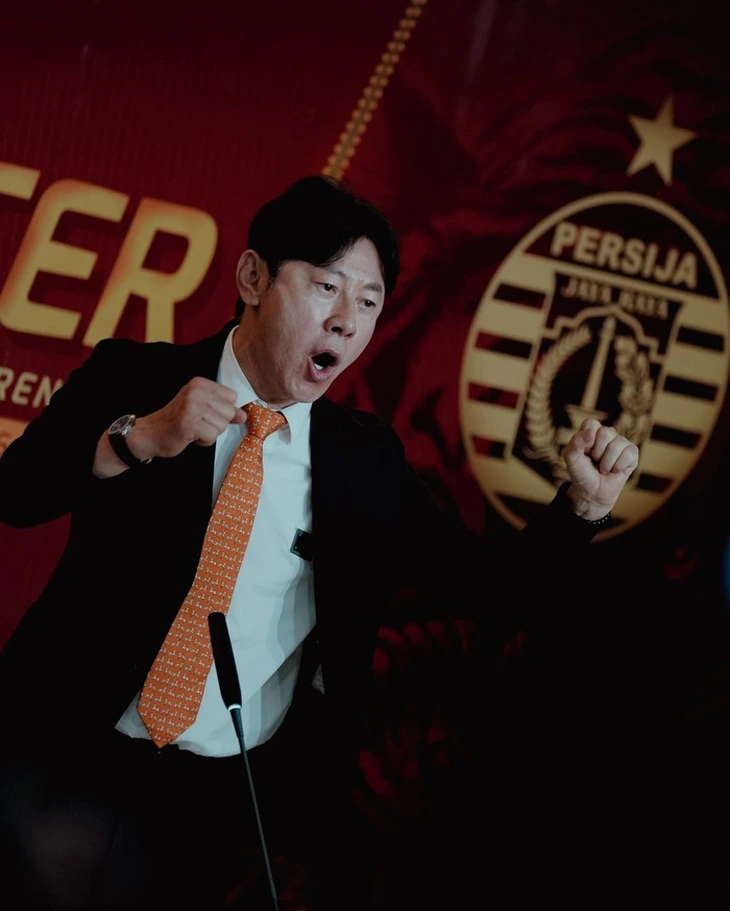
Despite the KFA’s severe ruling, the immediate professional implications for Shin Tae Yong are geographically limited. The KFA’s jurisdiction extends only to football activities within South Korea. Therefore, the ban does not directly affect his current role as head coach of Persija Jakarta, an Indonesian Liga 1 club, where he signed a contract in June of this year. His contract with Persija Jakarta was finalized before the KFA’s disciplinary committee had even convened.
As of the latest reports, Shin Tae Yong has chosen to remain silent on the matter. He has not issued any official statement or offered a public comment following the KFA’s announcement. This lack of immediate response leaves many questions unanswered regarding his perspective on the incident and the disciplinary outcome.
Implications and Future Outlook
The KFA’s decision carries significant implications for Shin Tae Yong’s career and for the landscape of professional football governance.
For Shin Tae Yong: While his current role in Indonesia is unaffected, his reputation within South Korean football is severely damaged. Any future aspirations to coach in his home country, whether at club or national level, are effectively quashed for the next decade. Moreover, the KFA’s ruling could potentially influence other international football federations. While they are not bound by the KFA’s decision, they might take note of the ethical implications and conduct their own reviews, or simply be more cautious when considering him for future roles.
For the KFA: This robust action reinforces the KFA’s commitment to player protection and its authority in enforcing ethical standards. It sets a precedent for how the association handles cases of alleged misconduct by high-profile individuals, aligning itself with global best practices in athlete welfare.
For Indonesian Football: While no direct impact is expected, the situation might prompt discussions within Indonesian football circles regarding coach vetting and the ethical conduct of foreign coaches. It could also raise questions about how such disciplinary actions in one country are perceived or acknowledged in others.
The case of Shin Tae Yong and Ulsan HD underscores the increasing importance of ethical conduct and player welfare in professional sports. It serves as a powerful reminder that sporting success must be underpinned by respect, safety, and adherence to professional standards, with governing bodies increasingly willing to impose severe penalties to enforce these values.