To Lam Outlines New Strategic Vision for Vietnam-Japan Relations Ahead of Official Visit Centered on Co-creation and Autonomous Growth

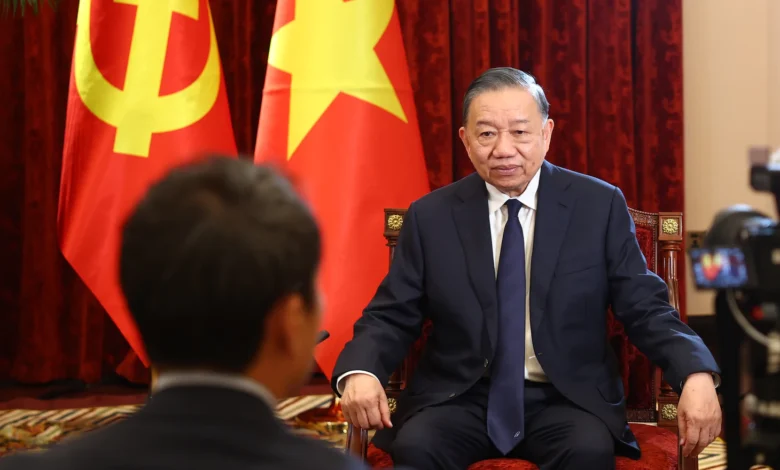
General Secretary and President To Lam, accompanied by his spouse Ngo Phuong Ly and a high-ranking Vietnamese delegation, officially commenced his landmark state visit to Japan, marking a pivotal chapter in the enduring bilateral partnership between the two nations. Prior to his departure, the Vietnamese leader granted an exclusive, in-depth interview to Japan’s national broadcaster, NHK, articulating a forward-looking strategic vision defined by mutual companionship, co-creation, and enhanced national autonomy. Against the backdrop of an increasingly complex and volatile global geopolitical landscape, the Vietnamese head of state underscored Hanoi’s unwavering commitment to principled diplomacy, proactive engagement, and sincere international cooperation.
Deepening Historical Ties and Elevating Strategic Trust
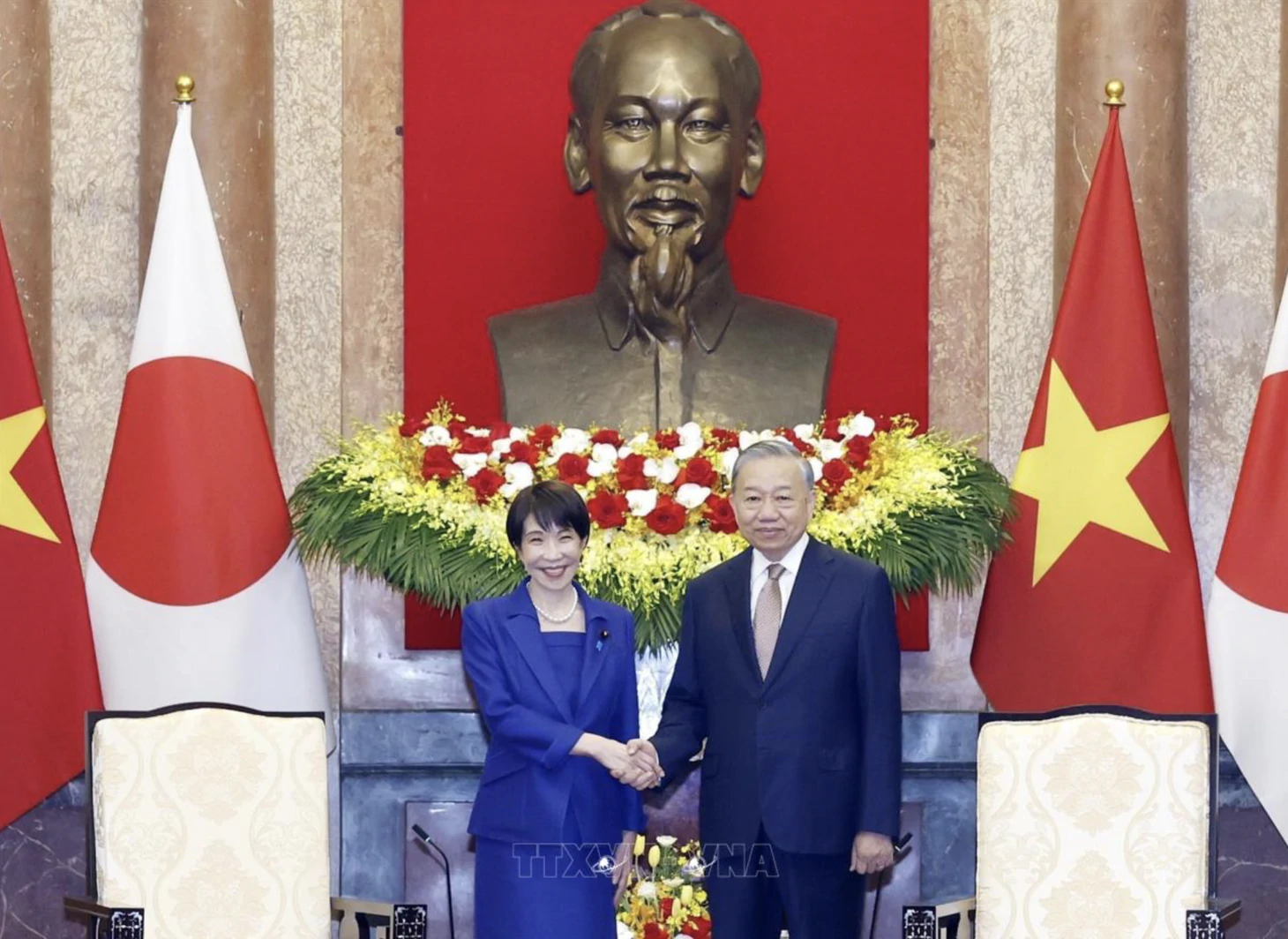
The diplomatic relationship between Vietnam and Japan is rooted in a rich historical tapestry that extends back over 400 years, anchored by early people-to-people exchanges and cultural affinities. In contemporary times, Vietnam regards Japan as one of its most critical, long-term, and comprehensive strategic partners. This profound relationship has been carefully cultivated across multiple successions of leadership, consistently yielding tangible benefits for the citizens of both countries.
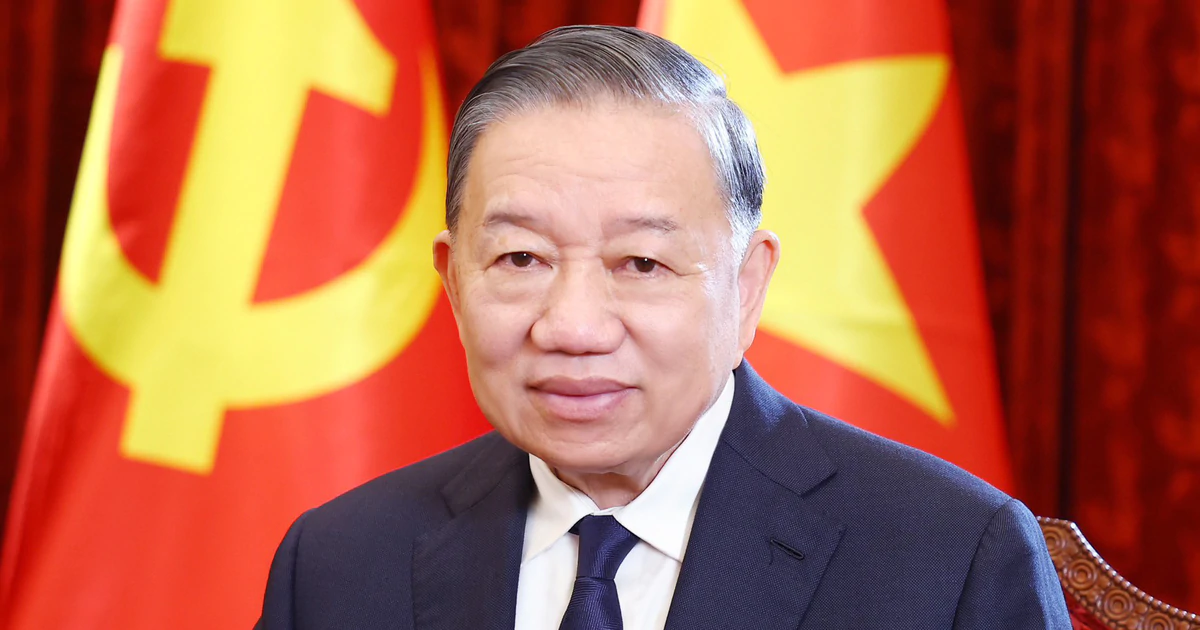
During his discussions with NHK, General Secretary and President To Lam expressed deep appreciation for Tokyo’s steadfast support toward Vietnam’s dual centenary strategic goals—transforming into a developing country with a modern industry and upper-middle-income status by 2030, and a developed, high-income nation by 2045. Building upon this solid foundation, the Vietnamese leader emphasized his aspiration to collaborate closely with Japanese leadership to further elevate political trust, harmonize long-term cooperation priorities, and inject fresh momentum into the Comprehensive Strategic Partnership for Peace and Prosperity in Asia and the World.
Economic Synergy and Ambitious Trade Targets
Economic cooperation remains a cornerstone of the Vietnam-Japan alliance. According to data from Vietnam’s Ministry of Foreign Affairs, two-way trade reached nearly $50 billion during the first ten months of 2026. Japan currently stands as one of Vietnam’s largest foreign investors, boasting approximately 5,800 active projects with a cumulative registered capital exceeding $80 billion.
Looking forward, both nations have set their sights on significantly expanding these economic metrics. Hanoi and Tokyo are actively working to solidify the current $80 billion investment baseline, with an ambitious target to propel bilateral trade to $100 billion by 2030. General Secretary and President To Lam noted that these achievements must be continuously nurtured through the dynamic growth of Vietnamese enterprises, the long-term commitment of Japanese corporations, and the creation of higher-value products co-developed by both economies.
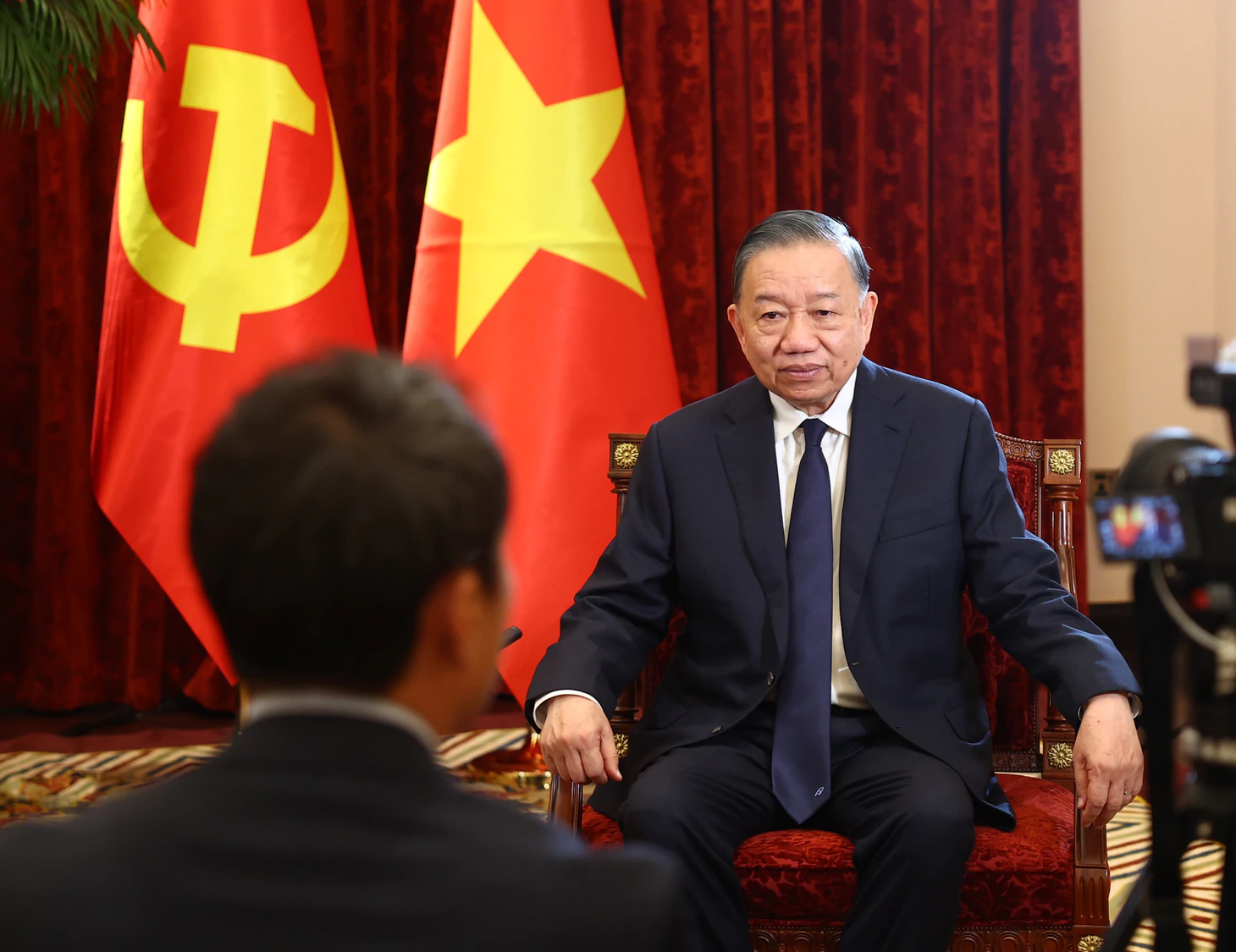
Rather than focusing solely on quantitative growth indicators such as trade volume and investment inflows, Vietnam’s current strategic approach prioritizes structural integration. The objective is to foster deep connections between the two economic systems and their respective business communities. By translating the spirit of co-creation into concrete manufactured and technological products, Vietnam aims to systematically enhance its internal economic resilience, technological mastery, and self-reliance.
Expanding Horizons in Advanced Technologies and Human Resources
To achieve these elevated economic ambitions, General Secretary and President To Lam called upon Japanese corporations to expand their investments, research, and product development footprints within Vietnam, while encouraging domestic Vietnamese enterprises to integrate more deeply into global value chains. Cooperation in advanced industries—including semiconductors, artificial intelligence, clean energy, and advanced manufacturing—must be inextricably linked with rigorous workforce training, technology transfer, and modernization of management practices.
Reaffirming Vietnam’s dedication to fostering a transparent, stable, and predictable business environment, the Vietnamese leader stressed that institutional trust must be continuously reinforced through the successful execution of collaborative projects and the timely resolution of investor grievances. Furthermore, human resource development remains a paramount priority. Hanoi envisions a framework where every Vietnamese citizen studying or working in Japan gains invaluable opportunities to acquire advanced knowledge, refine technical skills, advance their professional careers, and enjoy fully protected legal rights and legitimate interests. Concurrently, Vietnam welcomes an increasing influx of Japanese scientists, experts, and young entrepreneurs to study, work, and launch startups, thereby perpetuating a vibrant cycle of mutual trust and cross-cultural affinity.
Navigating Global Instability Through Principled Diplomacy
Addressing the broader international environment, General Secretary and President To Lam outlined Vietnam’s consistent foreign policy doctrine: independence, self-reliance, peace, friendship, cooperation, and development, alongside the diversification and multilateralization of external relations. The nation consistently places the highest priority on safeguarding national-ethnic interests based on the fundamental principles of international law and the United Nations Charter.
Drawing from the historical experiences of a nation that has endured the ravages of conflict, the Vietnamese people hold a profound appreciation for peace and the aspirations of upward mobility. General Secretary and President To Lam asserted that nations cannot passively await the resolution of new global instabilities to pursue development; rather, they must proactively cultivate favorable conditions to advance despite turbulent environments. Strategic autonomy, in this context, represents the internal capacity to independently chart a developmental path and execute strategic decisions effectively, supported by domestic unity, public consensus, and stable international partnerships.
Multilateral Engagement and Regional Stability
In an era characterized by deepening geopolitical fragmentation, Vietnam places immense value on consistency of principle, sincerity in cooperation, and strict adherence to international commitments. The nation actively seeks to deepen relations with all traditional and emerging partners, resolving divergences through dialogue, peaceful mechanisms, and constructive engagement.
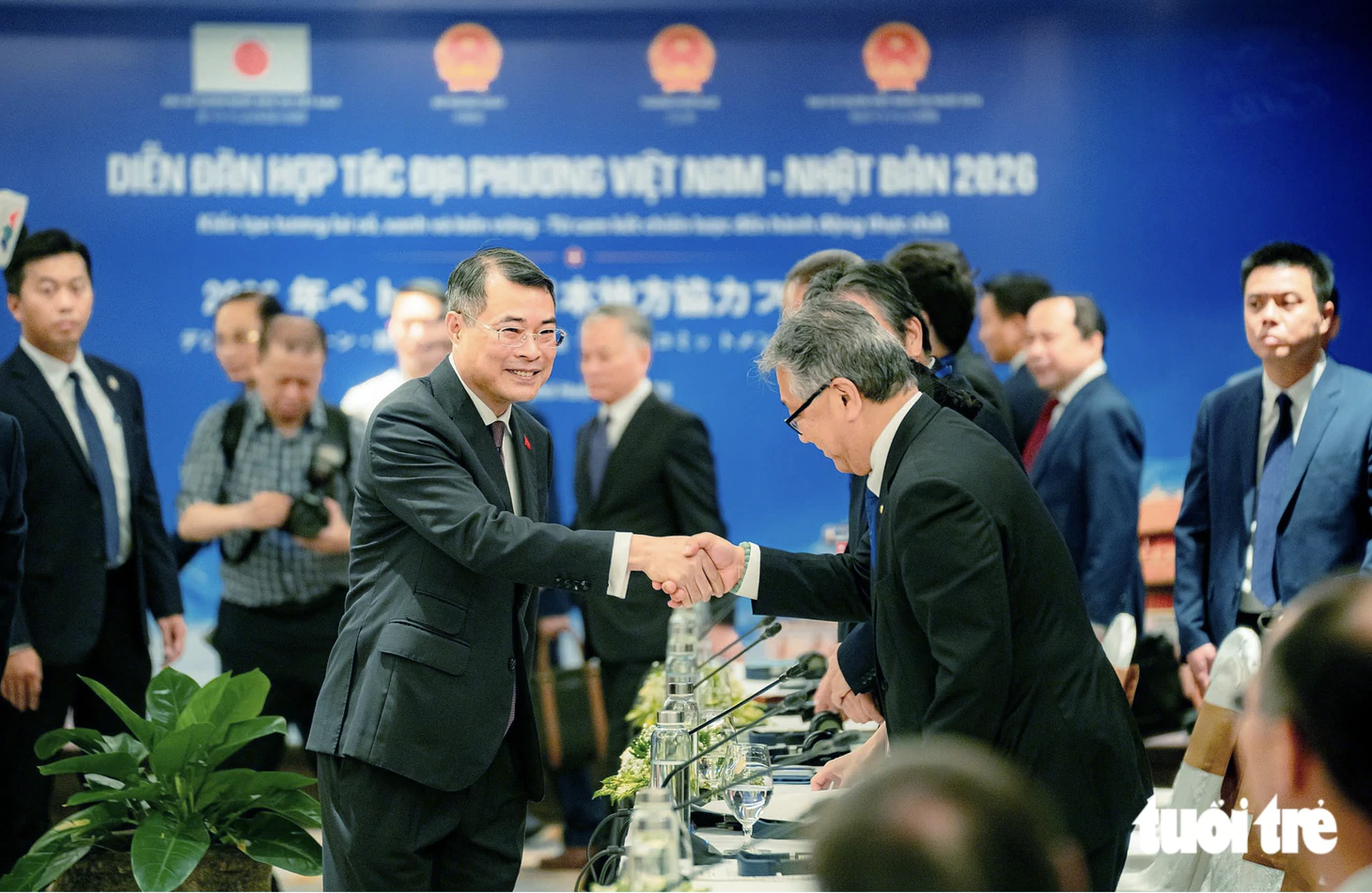
Highlighting the indispensable roles played by the United Nations and the Association of Southeast Asian Nations (ASEAN), General Secretary and President To Lam reaffirmed Vietnam’s readiness to contribute actively to regional peace, security, and the resolution of shared challenges. A nation’s true standing on the global stage, he noted, is fundamentally forged through its diplomatic reliability and the tangible contributions it makes to the international community.
As this landmark state visit unfolds, the shared vision of Vietnam and Japan as co-creators of strategic value serves as a powerful testament to the resilience of bilateral diplomacy. By aligning economic integration with technological empowerment, human-centric development, and a shared commitment to regional stability, Hanoi and Tokyo are laying a robust foundation for future generations to navigate an uncertain world with enduring confidence.