Hybrid vehicle sales in Vietnam continue to decline in August 2026 amidst market headwinds and seasonal buying behavior

The Vietnamese automotive market experienced a significant cooling period in August 2026, marking a reversal of the growth trajectory observed in the two preceding months. Data released by the Vietnam Automobile Manufacturers Association (VAMA) indicates that the total volume of new vehicle sales across all segments reached 25,395 units, representing a sharp 25% contraction compared to July 2026. Within this broader downturn, the hybrid vehicle segment—comprising mild-hybrid, plug-in hybrid, and full hybrid models—faced a continued decline, recording its lowest performance in the last six months.
According to the latest VAMA figures, 1,388 hybrid vehicles were sold in August, a decrease of 248 units or approximately 15.2% compared to the previous month. This downward trend is particularly notable given the recent expansion of hybrid model lineups available to Vietnamese consumers. Industry analysts point to a combination of seasonal cultural factors and persistent supply chain constraints as the primary catalysts for this contraction.
The Impact of Seasonal Buying Traditions
The decline in August 2026 is largely attributed to the "Ghost Month" (the seventh lunar month), a period during which a significant portion of the Vietnamese population traditionally avoids major financial transactions or long-term investments. In local culture, purchasing high-value assets such as automobiles during this time is often viewed with caution. This psychological barrier, coupled with a general market slowdown, created a challenging environment for automotive retailers, regardless of the technological advancements offered by the latest hybrid models.
While manufacturers and distributors have attempted to mitigate this slump through aggressive promotional campaigns and introductory pricing for new models, the cultural preference for avoiding such purchases during this period has largely neutralized these efforts.
Market Dynamics and Competitive Landscape
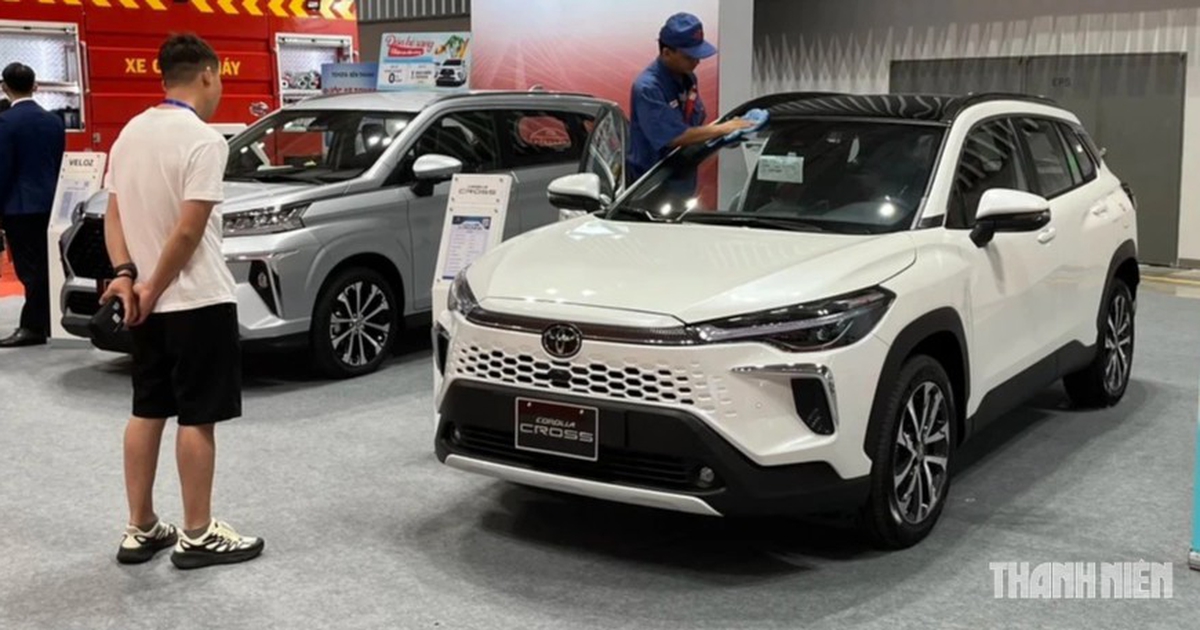
Despite the overall dip in sales, Japanese automakers continue to maintain a dominant position within the hybrid vehicle landscape. Toyota remains the market leader, though it was not immune to the cooling demand. The company reported sales of 1,046 hybrid units in August, a 15.2% decrease from July.
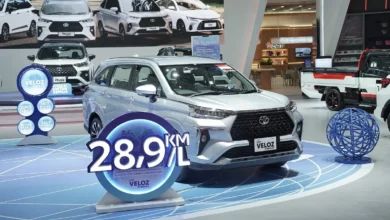
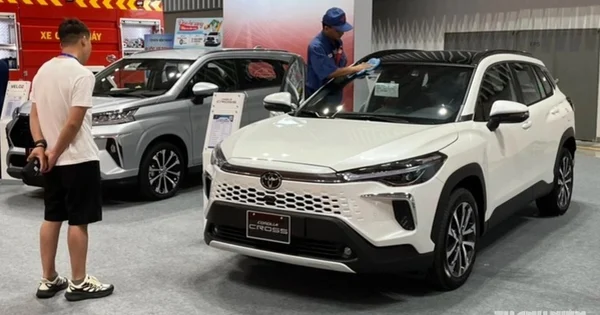
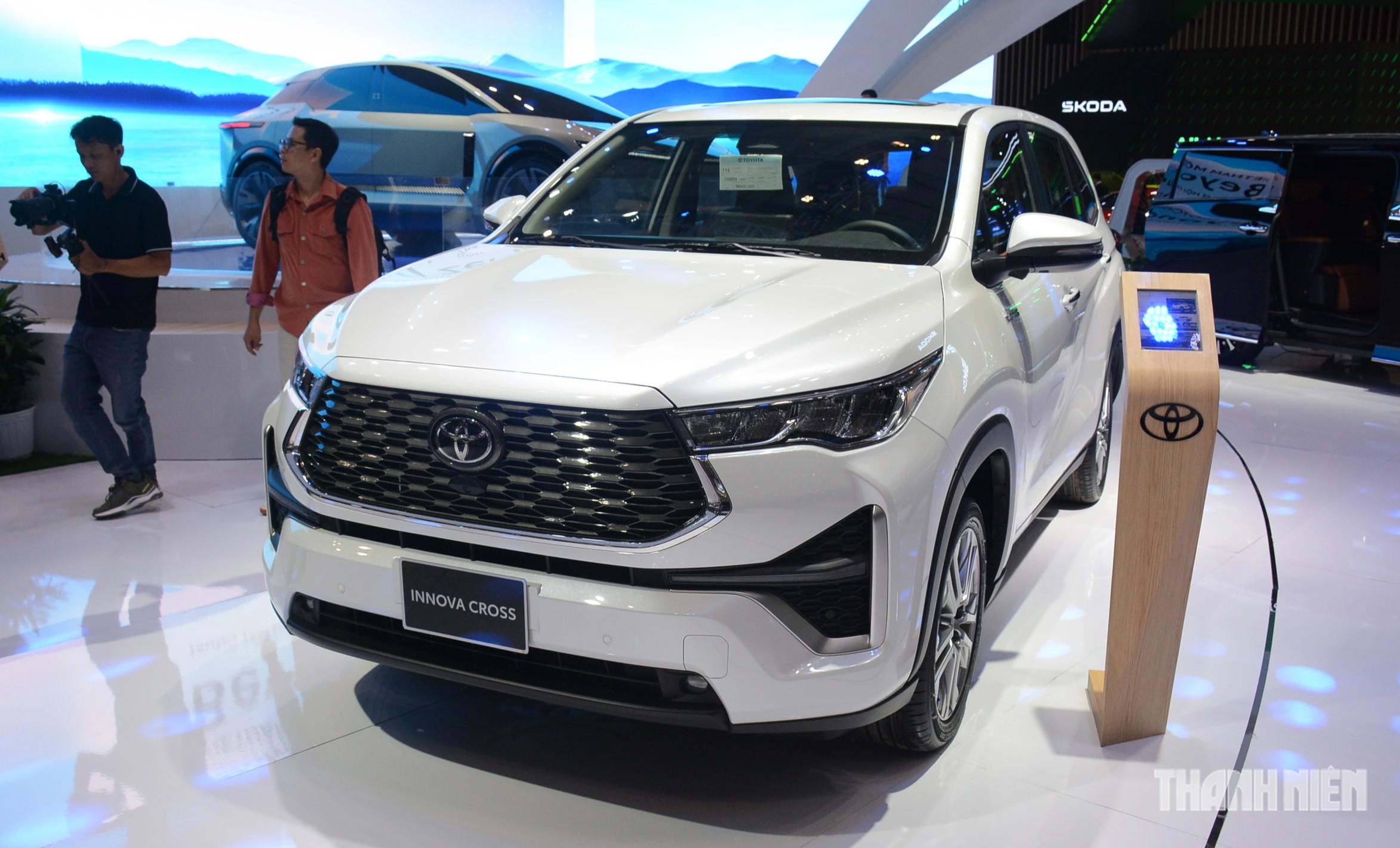
A significant shift in the competitive hierarchy occurred within the Toyota lineup. The Innova Cross HEV, with 371 units sold, surpassed the Corolla Cross HEV to become the best-selling hybrid model for the month. The Toyota Camry HEV showed signs of stabilization in its sales volume, whereas the Yaris Cross HEV experienced a notable decline, with sales dropping by nearly 100 units compared to July.
Honda also felt the pressure of the market contraction, moving 251 hybrid units in August—an 11% decline from the previous month. The CR-V e:HEV RS continues to serve as the backbone of Honda’s electrified portfolio, accounting for 195 of those sales. Meanwhile, Suzuki saw its hybrid sales reach 91 units, a 26% drop, primarily reflecting the performance of the XL7 Hybrid, while data for the Fronx Hybrid remains undisclosed by the manufacturer.
Data Limitations and Market Scope
It is essential to note that the figures provided by VAMA do not constitute a complete census of the Vietnamese hybrid market. The association’s report excludes several key players that have significant stakes in the electrification transition. Notably, sales data for hybrid models distributed by KIA—such as the Carnival HEV, Sportage HEV, and Sorento HEV—are not included in the VAMA tally. Furthermore, the report lacks data from Hyundai, Mercedes-Benz, and various Chinese manufacturers that have recently intensified their presence in the Vietnamese market. Consequently, while the VAMA report provides a reliable barometer for the industry, it does not fully capture the total scale or the growth potential of the hybrid segment in Vietnam.
Supply Chain Constraints and Regional Dependencies
A structural challenge contributing to the fluctuating sales figures is the reliance on imported vehicles. The majority of hybrid models currently available in Vietnam are imported from regional manufacturing hubs, including Thailand and Indonesia. This dependency leaves the domestic market vulnerable to supply chain disruptions and regional inventory shortages. Even as consumer interest in fuel-efficient, lower-emission vehicles grows, the inability of manufacturers to maintain consistent supply levels often prevents these models from reaching their full sales potential.
Year-to-Date Performance and Future Outlook
Despite the difficulties faced in August, the year-to-date performance for the hybrid segment remains resilient. Over the first eight months of 2026, the total sales of hybrid vehicles reported by VAMA members reached 13,889 units. This represents a robust increase of 5,475 units—or approximately 39.4%—compared to the same period in 2025.
This growth trajectory suggests that while monthly fluctuations are inevitable due to seasonal and economic factors, the long-term trend remains positive. The rise in hybrid adoption reflects a broader shift in consumer awareness regarding fuel efficiency and the global transition toward sustainable mobility.
Implications for the Automotive Industry
The current market environment presents both challenges and opportunities for stakeholders in the Vietnamese automotive industry:
- Strategic Pricing and Promotion: As the market matures, manufacturers will likely need to move beyond standard promotions to address the "Ghost Month" effect. Creating value-added services or extended warranty packages may prove more effective than temporary price cuts in sustaining demand during low-season months.
- Infrastructure and Local Production: To move away from the volatility of imported inventory, there is a mounting argument for increasing the local assembly of hybrid vehicles. Local production would not only stabilize supply but could also provide cost-saving benefits that make hybrid technology more accessible to the mass market.
- Consumer Education: The industry continues to face the challenge of educating the public on the long-term cost benefits of hybrid vehicles. As gasoline prices remain a concern for the average consumer, brands that successfully highlight the total cost of ownership—factoring in fuel savings and lower maintenance requirements—are likely to see stronger recovery periods post-seasonal slumps.
- Broadening the Hybrid Portfolio: The success of the Innova Cross HEV demonstrates that Vietnamese consumers are increasingly looking for versatility in their hybrid choices. Expanding the range of hybrid offerings beyond the traditional sedan and crossover segments to include MPVs and SUVs will be critical for manufacturers aiming to capture a larger market share.
Conclusion
August 2026 serves as a reminder of the unique characteristics of the Vietnamese automotive market, where cultural traditions and global economic trends intersect. While the 15.2% decline in hybrid sales is a setback for the month, the nearly 40% year-on-year growth underscores a persistent and growing appetite for electrified vehicles. As manufacturers navigate these short-term headwinds, the focus will likely shift toward stabilizing supply chains, expanding local production capabilities, and continuing to position hybrid technology as a practical, bridge-solution for the future of mobility in Vietnam. The coming months will be pivotal in determining whether the market can rebound in time to achieve a strong finish for the 2026 fiscal year.