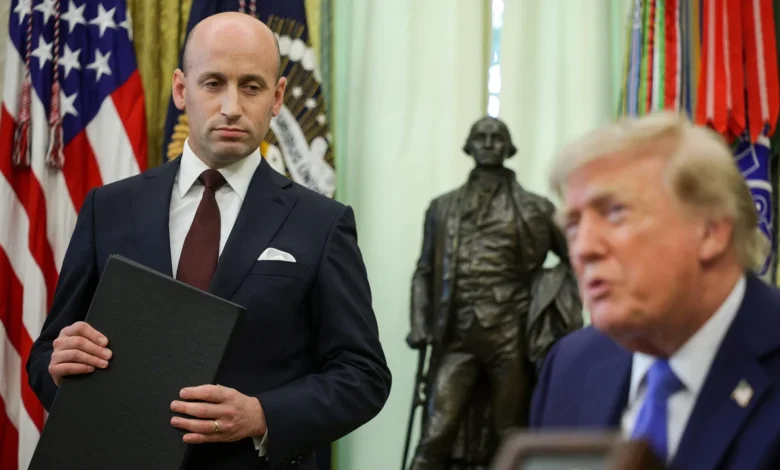
Stephen Miller, a steadfast ally of Donald Trump since the inception of his political movement, has been appointed as the new Chief of Staff for the White House. This strategic appointment marks a significant transition in the administration’s hierarchy, as Miller replaces Susie Wiles, who had served as a central figure in the President’s inner circle. The announcement, made by President Trump on November 6, three days following the Republican Party’s performance in the midterm elections, signals a pivot toward a more aggressive, policy-driven agenda that prioritizes the core ideological pillars of the "America First" movement.
The Rise of a Policy Architect
Prior to this elevation, Stephen Miller served as the Deputy Chief of Staff for Policy and Senior Advisor for Domestic Security. While his previous titles suggested a focused portfolio, his actual influence within the West Wing has historically been far more expansive. According to political analysts at the Wall Street Journal, Miller has been the primary architect behind many of the President’s most consequential domestic and international policies.
Born in 1985 in Santa Monica, California, Miller’s path to the upper echelons of American power began in his formative years. Despite growing up in a traditionally liberal environment, he displayed early conservative leanings. During his time at Duke University, he gained notoriety for his vocal critiques of what he described as the university’s institutional liberal bias, writing frequent commentaries for the student newspaper. His career trajectory was defined by his work with prominent conservatives, including Representative Michele Bachmann and then-Senator Jeff Sessions on Capitol Hill.
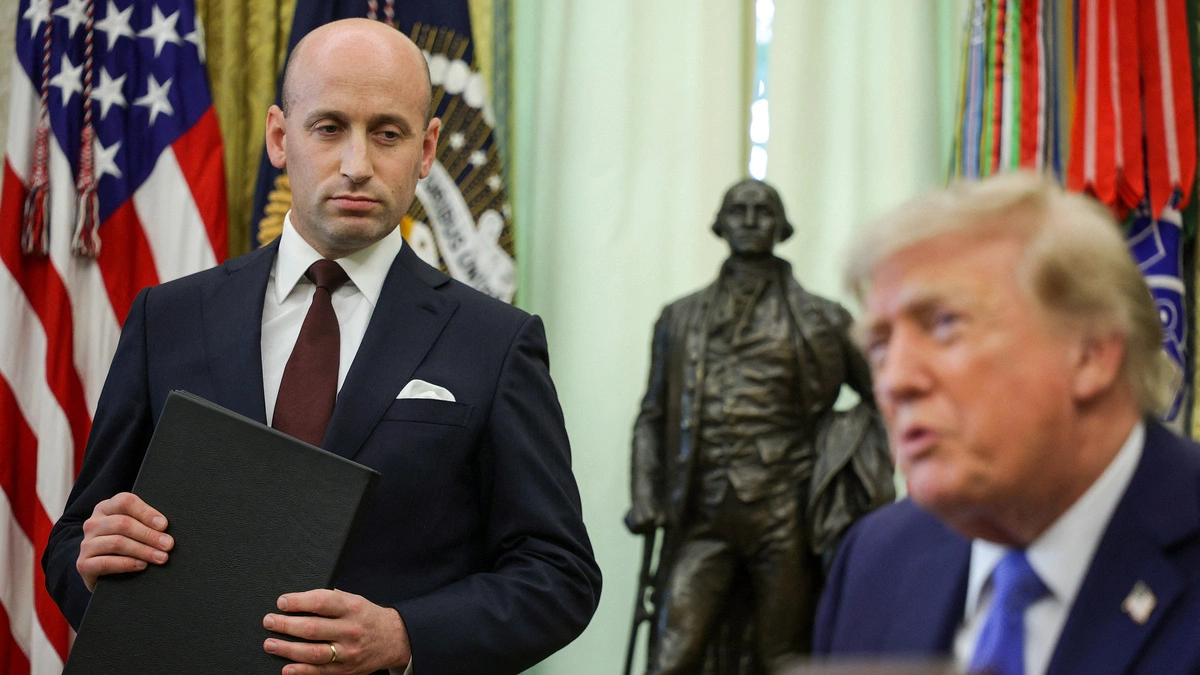
In 2015, Miller joined Donald Trump’s presidential campaign. He quickly distinguished himself as an essential staffer, capable of translating the President’s populist rhetoric into actionable policy. By 2016, he was the lead speechwriter for the Republican National Convention, and he has since been credited by associates as one of the few individuals who truly understands the mechanics of the President’s communication style.
A Chronology of Influence
Miller’s history with the Trump administration is marked by several defining milestones:
- 2015-2016: Joined the Trump presidential campaign; instrumental in shaping the populist appeal of the 2016 campaign.
- 2017: Appointed as Senior Advisor to the President, focusing on immigration policy and speechwriting.
- January 6, 2021: Remained a staunch supporter of the President throughout the transition period and the events surrounding the Capitol riot, continuing to assist with rhetoric and strategy.
- 2021-2024: Founded America First Legal, a non-profit organization that challenged Biden-era policies in court, utilizing conservative legal strategies and forming partnerships with Republican-led states.
- November 2026: Formally appointed as Chief of Staff.
Policy Implications: Immigration and Enforcement
Miller is perhaps best known for his uncompromising stance on immigration. As the new Chief of Staff, he is expected to oversee a significant tightening of border security and interior enforcement. His approach has consistently focused on large-scale deportations and the rescinding of various legal immigration protections that he argues have undermined national security and economic stability.
Neil Mehta, a commentator following the administration’s policy shifts, noted that Miller’s influence has already led to record-low levels of illegal border crossings in recent months. The administration’s focus has moved beyond mere rhetoric to the systematic implementation of strict enforcement laws. This shift, however, has not been without controversy. Recent incidents, including a violent encounter during a deportation sweep in Minnesota earlier this year, have sparked widespread protests and raised questions about the long-term sustainability of such aggressive tactics.
Institutional Strategy and Foreign Policy
Beyond domestic affairs, Miller’s reach extends into the administration’s foreign policy framework. According to reports from the Washington Post, his appointment reinforces the role of key architects in the administration’s strategy toward Venezuela. This strategy has included high-stakes interdiction campaigns aimed at the government of Nicolas Maduro, including efforts to disrupt maritime narcotics trafficking in the Caribbean.
Miller has reportedly worked in close coordination with Secretary of Defense Pete Hegseth to execute these missions, illustrating his capacity to bridge the gap between policy formulation and military execution. Former Trump strategist Stephen K. Bannon has described Miller as the "living embodiment" of the MAGA movement, noting that his strength lies in his ability to convert the President’s complex or broad ideological goals into concrete, executable policies.
Analysis: A Shift in Governance
The transition from Susie Wiles to Stephen Miller reflects a shift in the White House’s operating philosophy. While Wiles was largely credited with the professionalization of the President’s campaign and early governance, Miller represents a return to the administration’s ideological roots.
The political implications of this appointment are profound. By placing a trusted ideologue in the position of Chief of Staff, President Trump is signaling to his base that the remainder of his term will be defined by the uncompromising pursuit of his campaign promises. Miller is viewed as a "fixer" who does not rely on traditional political charm or consensus-building, but rather on direct, forceful action.
Official Responses and Internal Dynamics
Within the White House, the appointment has been met with mixed reactions. While some traditionalists expressed concern over the potential for increased polarization, the President has been unequivocal in his support. On November 6, the President stated, "Stephen has been with me from the very beginning. He understands me, and he understands the mission."
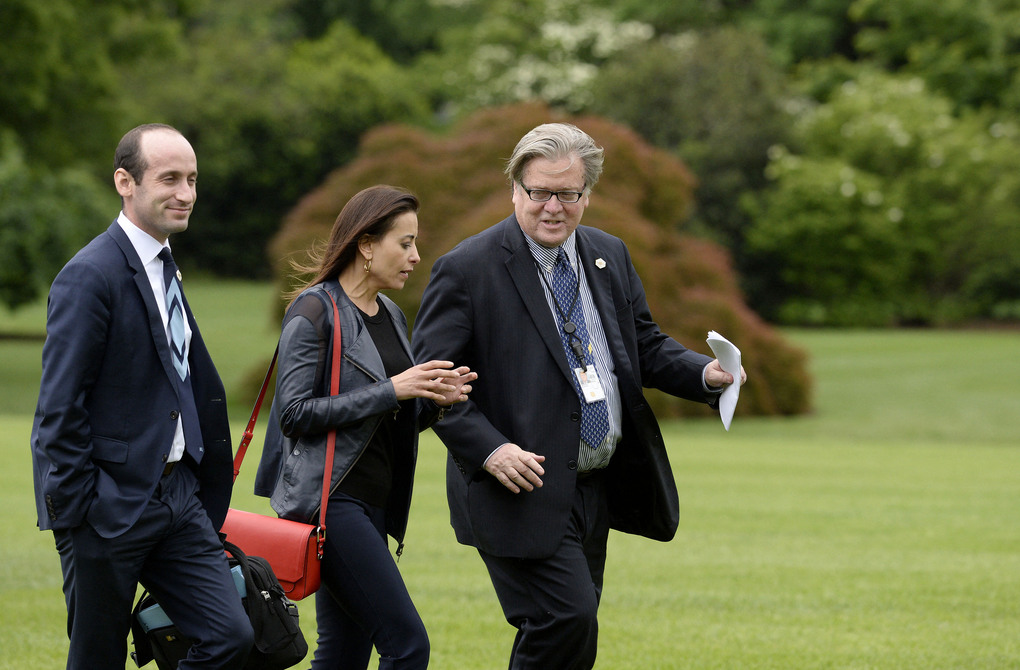
Miller is one of the few remaining original staff members from the President’s first term, joined by long-time loyalist Dan Scavino, who currently oversees White House personnel. This concentration of original-term loyalists at the top of the organizational chart suggests that the President is seeking to eliminate internal dissent and streamline decision-making as he approaches the final phases of his administration.
Broader Impact and Future Outlook
The long-term impact of Miller’s tenure as Chief of Staff will likely be measured by the success of his immigration enforcement programs and his ability to navigate the legal challenges brought by America First Legal and other opposition groups. As the administration faces mounting pressure from both the public and the judicial system, Miller’s role will be to maintain the administrative focus despite external volatility.
Critics argue that his influence could further alienate moderate voters and increase the risk of social unrest, citing the protests that have followed recent enforcement efforts. Conversely, supporters argue that Miller’s clear-eyed, policy-first approach is exactly what is required to fulfill the mandate the President received from his supporters.
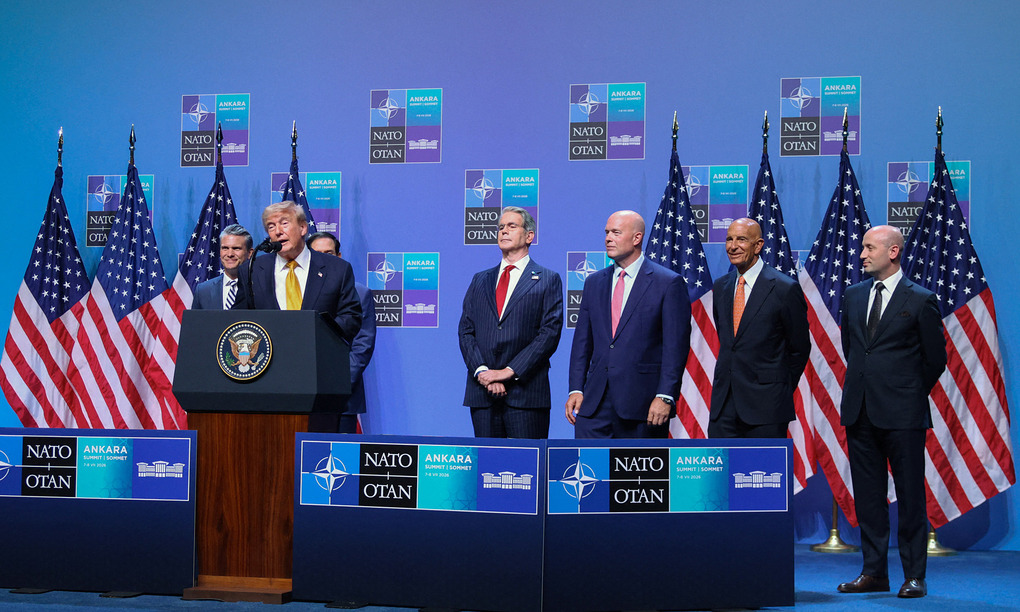
As the White House enters this new chapter, the appointment of Stephen Miller confirms that the administration is doubling down on its original, populist agenda. Whether this strategy will lead to long-term legislative victories or further political gridlock remains to be seen, but it is clear that Miller will be at the center of every major decision made in the West Wing in the coming months.