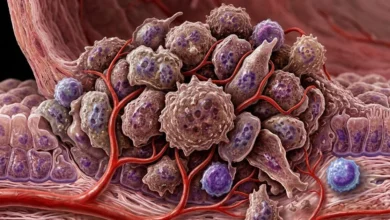
The kidneys perform the essential physiological role of filtering waste products and excess electrolytes from the bloodstream, with potassium balance being a critical component of this process. In individuals with healthy renal function, the kidneys efficiently regulate potassium levels; however, when chronic kidney disease (CKD) or other renal impairments occur, the body’s ability to excrete this mineral is significantly compromised. This leads to hyperkalemia, a condition characterized by abnormally high potassium levels in the blood, which can disrupt cardiac electrical activity and cause severe muscle weakness. Dietary management, specifically the inclusion of low-potassium vegetables, is a cornerstone of medical nutrition therapy for patients managing renal health.
The Physiology of Potassium and Renal Function
Potassium is an essential mineral that facilitates nerve signal transmission and muscle contraction, including the rhythmic beating of the heart. For the average healthy adult, a daily intake of 3,500 to 4,700 mg of potassium is recommended. However, for those with Stage 3 to 5 chronic kidney disease, the kidneys may no longer be able to maintain this balance. When the Glomerular Filtration Rate (GFR) drops significantly, the accumulation of potassium becomes a life-threatening clinical concern.
Medical guidelines from the National Kidney Foundation (NKF) emphasize that while potassium is vital for health, moderation is required for those with compromised renal filtration. The clinical goal is to prevent the serum potassium concentration from rising above 5.0 mEq/L. Consequently, integrating specific vegetables—such as cauliflower, red cabbage, carrots, and onions—into a diet allows patients to maintain nutritional variety while keeping electrolyte levels within a safe, therapeutic window.
Cauliflower: A Versatile Renal-Friendly Staple
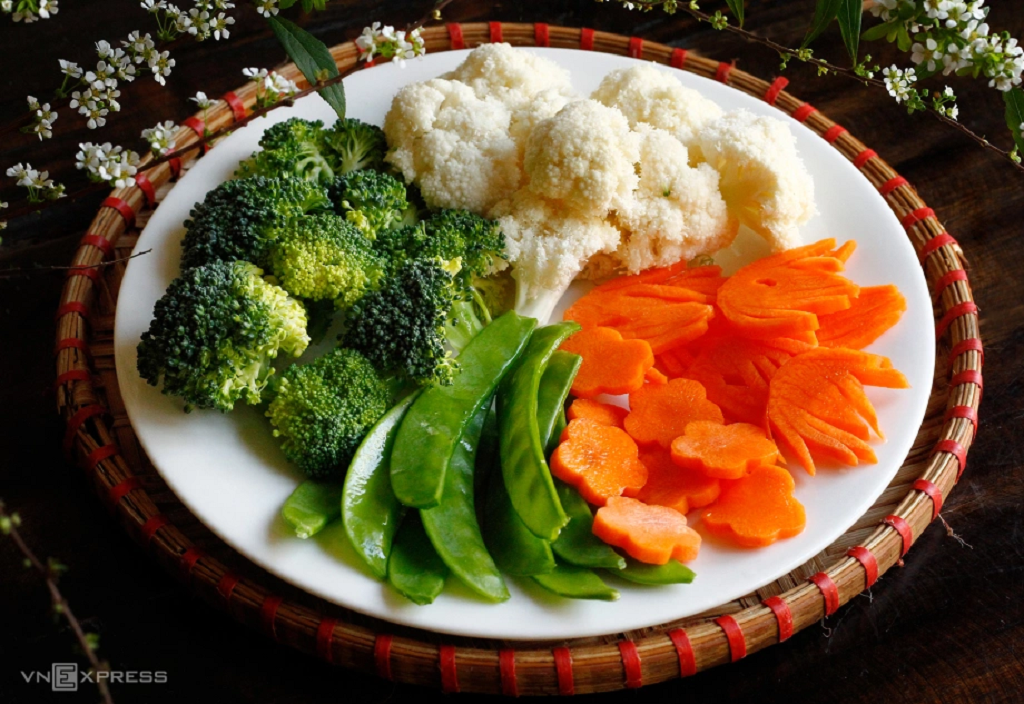
Cauliflower is widely recognized by nutritionists and nephrologists as an ideal vegetable for renal diets. Beyond its low potassium profile—containing approximately 88 mg of potassium per half-cup of cooked vegetable—it is an excellent source of vitamin C, folate, and dietary fiber.
The structural integrity of cauliflower makes it highly versatile in the kitchen. For patients monitoring their renal intake, the preparation method is as crucial as the ingredient choice. Steaming or boiling cauliflower, rather than roasting or frying, can help further leach out minor amounts of potassium, though its baseline content is already low enough to be considered a "safe" food. Furthermore, its high content of glucosinolates and antioxidants assists in reducing systemic inflammation, a common secondary complication for those with kidney disease.
Red Cabbage: Anthocyanins and Renal Protection
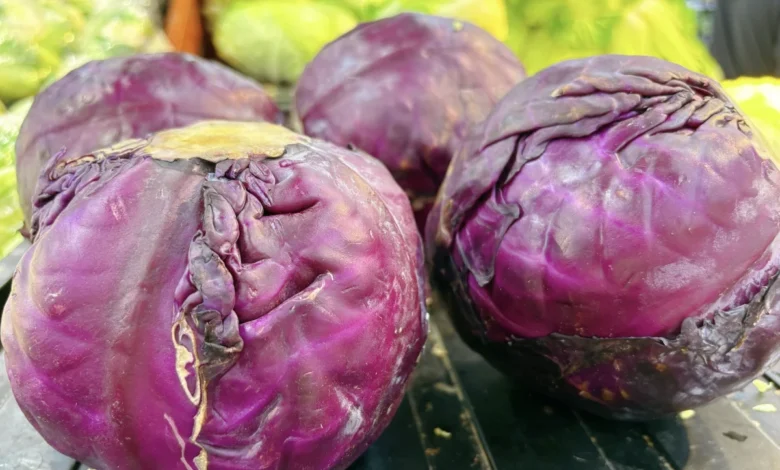
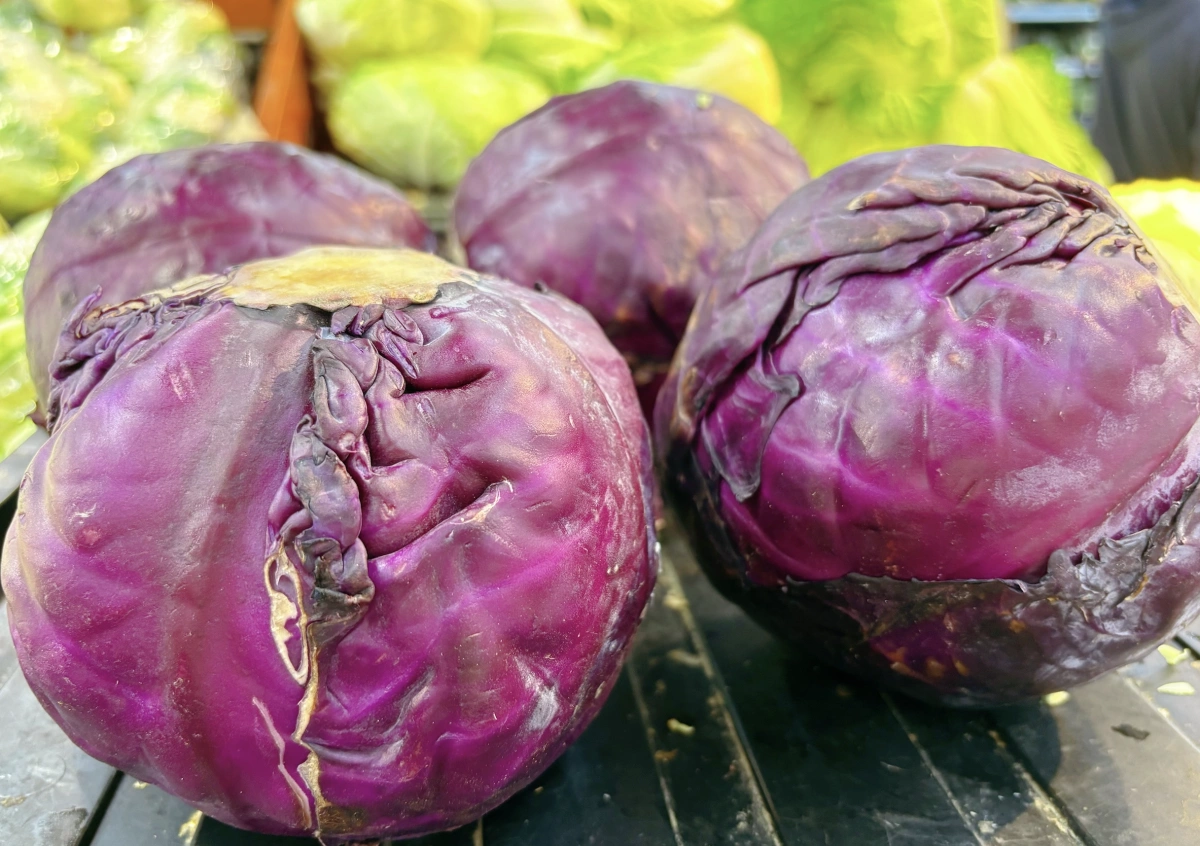
Red cabbage offers a significant nutritional upgrade compared to its green counterpart, primarily due to its high concentration of anthocyanins. These potent antioxidants are responsible for the vegetable’s deep pigment and have been linked to improved cardiovascular health and reduced oxidative stress.
In terms of renal management, a half-cup of shredded red cabbage contains roughly 107 mg of potassium. By incorporating this vegetable into salads or lightly sautéed dishes, patients benefit from a dense supply of vitamin K and fiber without overwhelming their kidneys. The inclusion of cruciferous vegetables like red cabbage is also encouraged to support healthy blood pressure, which is a major factor in slowing the progression of renal failure.
Carrots: Balancing Beta-Carotene and Electrolytes
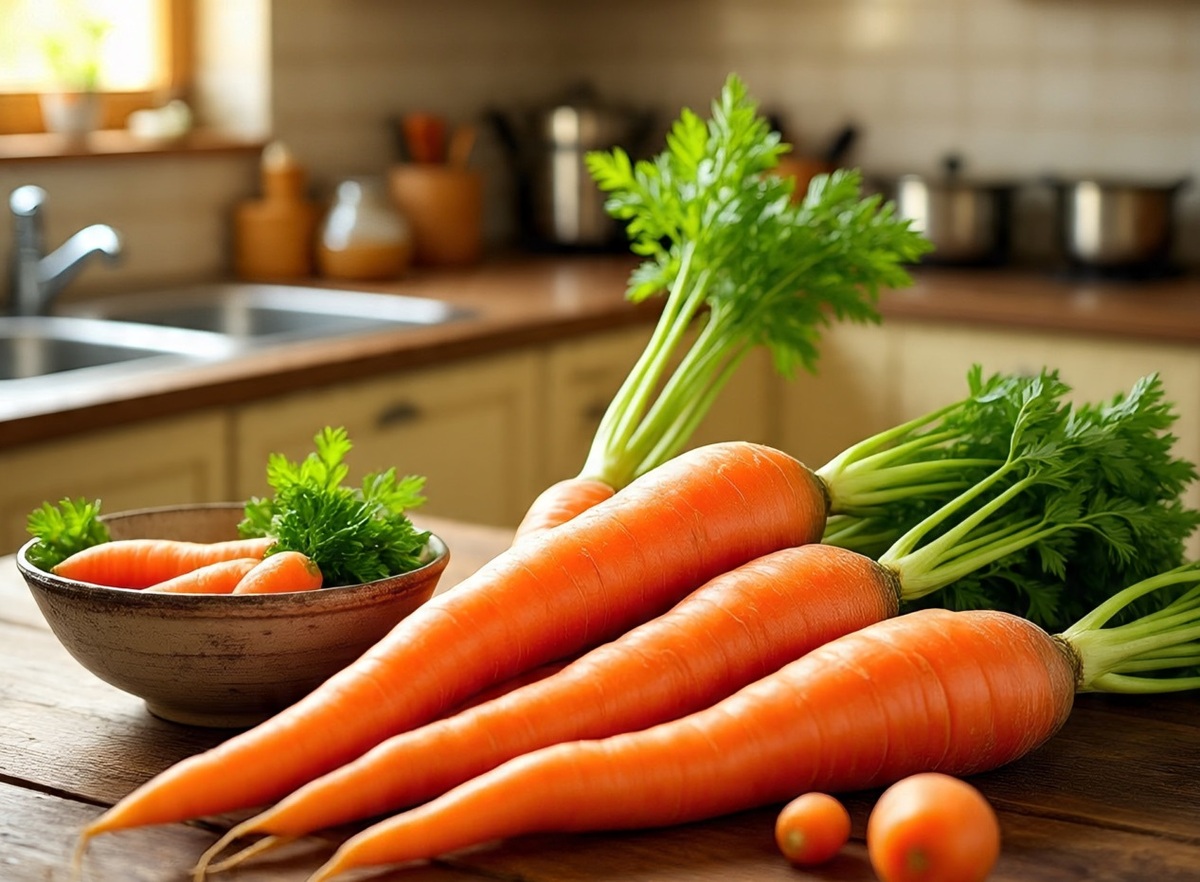
Carrots are often misunderstood in the context of restrictive diets; however, when prepared correctly, they are a fundamental component of a kidney-conscious meal plan. Providing about 131 mg of potassium per half-cup when cooked, they are classified as a low-potassium vegetable.
The primary health benefit of carrots lies in their rich supply of beta-carotene, a precursor to vitamin A, which is essential for immune function and ocular health. From a culinary perspective, the fiber content in carrots aids in digestive regulation, which is often sluggish in patients with advanced renal disease. To optimize the nutritional profile while managing intake, it is recommended to cook carrots, as raw intake can sometimes be more taxing on the digestive system for those with comorbidities.
Onions: Enhancing Flavor Without Salt
One of the most significant challenges for individuals with kidney disease is the strict limitation on sodium intake, which is necessary to control blood pressure and reduce the workload on the kidneys. Onions serve as a critical tool in this effort, as they provide a robust flavor profile that reduces the need for added salt.
According to data from the National Institute of Diabetes and Digestive and Kidney Diseases (NIDDK), onions are inherently low in potassium. Beyond their flavor-enhancing properties, they contain quercetin, an antioxidant that has shown promise in reducing the risk of heart disease—a primary cause of mortality in patients with chronic kidney disease. Whether used in soups, stews, or as a base for stir-fries, onions allow for a more palatable diet that does not sacrifice flavor for medical necessity.
Clinical Implications and Dietary Strategy
The management of renal health through diet is not merely about exclusion, but about strategic substitution. A 2026 review of dietary habits in renal patients suggests that the "Western diet," which is often high in processed foods and potassium-rich additives, is a primary driver of acute hyperkalemic episodes.
The shift toward a diet centered on low-potassium vegetables like the four mentioned above represents a broader move toward "renal-protective nutrition." This approach is supported by the following core principles:
- Portion Control: Even low-potassium vegetables can become problematic if consumed in excessive quantities. A standard serving size is typically half a cup.
- Preparation Methods: Boiling vegetables is highly effective for reducing potassium content. The potassium leaches into the water, which is then discarded, effectively lowering the overall load of the final dish.
- Synergistic Nutrient Intake: Combining these vegetables with healthy fats, such as olive oil, can improve the absorption of fat-soluble vitamins (like the beta-carotene in carrots) while providing caloric density for patients experiencing loss of appetite.
Future Perspectives in Renal Nutrition
As research continues to evolve, the medical community is moving away from the "one-size-fits-all" approach to renal diets. Emerging data suggests that plant-based proteins and high-fiber diets, even for those with kidney disease, can lead to better outcomes than diets heavily reliant on processed, low-potassium substitutes.
While the inclusion of cauliflower, red cabbage, carrots, and onions provides a framework for healthy eating, patients are strongly advised to consult with a registered renal dietitian. These professionals can tailor intake based on individual blood test results, which fluctuate based on the stage of disease and the use of medications such as ACE inhibitors or diuretics, which can also influence potassium levels in the blood.
In conclusion, maintaining a balanced diet while living with kidney disease requires vigilance, but it does not require a sacrifice of nutritional quality. By prioritizing nutrient-dense, low-potassium vegetables, patients can support their kidney function, manage systemic inflammation, and improve their overall quality of life. The integration of these four vegetables into daily meals serves as a practical, evidence-based strategy for long-term renal health maintenance.