Navigating the Paradox: Real Estate Enters 2026 Faced with Surging Supply, Softening Liquidity, and Steep Capital Costs

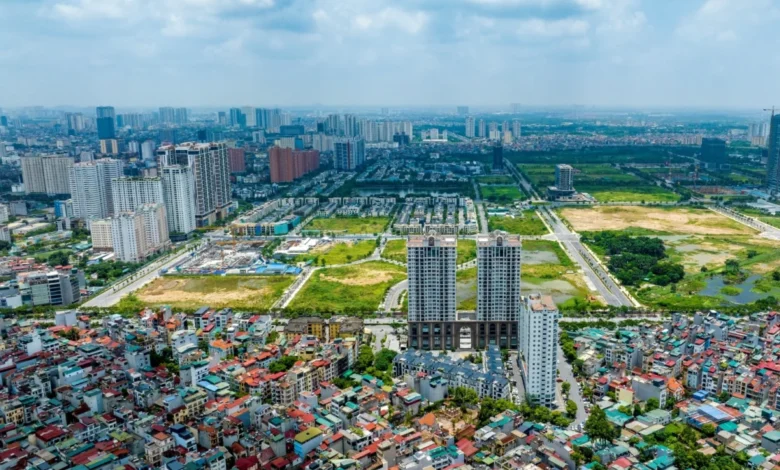
The Vietnamese real estate sector has entered a critical and paradoxical phase as it moves toward the close of 2026. While upstream indicators reflect a notable recovery in project launches and newly introduced inventory, downstream market activity tells a starkly contrasting story. Real estate developers across the country find themselves squeezed between escalating input costs, stringent legal bottlenecks, high borrowing rates, and sluggish absorption rates. This growing disconnect between newly supplied properties and actual market transactions has highlighted structural vulnerabilities that demand comprehensive strategic adjustments from both policymakers and market participants.
Market Realities: Rising Supply Meets Sliding Absorption
According to comprehensive market data released by the Vietnam Association of Realtors (VARS) during the Real Estate Forum 2026—convened under the theme "Activating a New Cycle: New Trends, New Strategies"—the first nine months of 2026 witnessed a notable expansion in primary supply. The market recorded roughly 104,400 newly launched products during this timeframe, marking a 21.5% increase compared to the same period in 2025.
However, buyer demand failed to keep pace with the influx of new inventory. Throughout the first three quarters of 2026, the market absorbed only about 55,000 newly introduced products. The third quarter proved particularly sluggish, registering just 12,520 successful transactions. This translated to an absorption rate of approximately 39.3% against the newly launched supply—the lowest level recorded since the beginning of 2025 and a continuation of a downward trend spanning three consecutive quarters. Compared to the performance figures of the previous year, transaction volumes for new products have essentially halved, signaling profound caution among end-users and investors alike.
Deconstructing the Downturn: Capital Pressures and High Asset Values
Industry analysts and economic experts attribute the cooling transaction volume to a combination of macroeconomic headwinds and structural market imbalances. At the forefront of these challenges is the acute pressure of capital costs. Mortgage interest rates across major commercial institutions have hovered between 8.5% and 11% per annum during initial promotional periods. Once these grace periods expire, floating rates frequently climb to between 13% and 15% per annum—and in some extreme cases, stretch as high as 16% to 18% depending on institutional lending policies and borrower risk profiles.
Dr. Nguyen Van Dinh, Vice Chairman of the Vietnam Real Estate Association and Chairman of VARS, noted that when borrowing costs escalate concurrently with elevated property prices, prospective buyers naturally adopt a defensive stance. This caution is especially pronounced for products that lack immediate usability or those speculative assets dependent entirely on anticipated capital appreciation rather than rental yields or real occupancy.
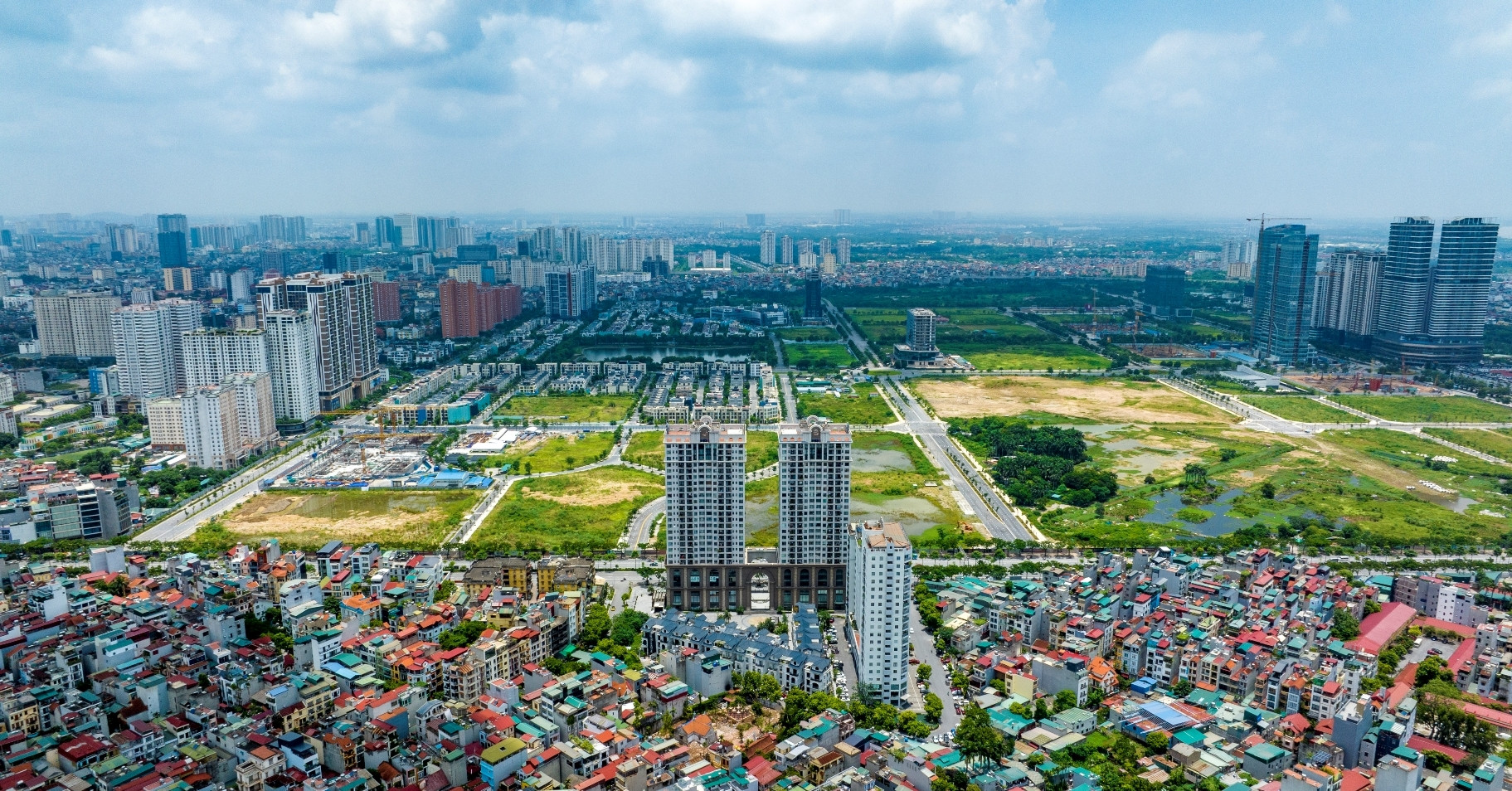
Compounding the cost-of-capital issue is the persistent elevation of primary property prices relative to average household incomes. Following years of aggressive price appreciation, market corrections have largely been confined to secondary segments, while primary prices remain stubbornly high. By the third quarter of 2026, average apartment selling prices reached approximately 79.3 million VND per square meter in Hanoi, 88.3 million VND per square meter in Ho Chi Minh City, and 68.9 million VND per square meter in Da Nang. When measured against benchmarks from the first quarter of 2019, these pricing levels represent staggering increases of approximately 97%, 69.8%, and 76.2%, respectively.
Furthermore, supply structures remain severely skewed. In Hanoi, high-end and luxury apartments accounted for nearly 70% of new supply in the third quarter, while the affordable housing segment was virtually nonexistent. Developers face limited room to maneuver on price reductions due to compounding operational expenses spanning land acquisition, site clearance, construction materials, regulatory compliance, project management, sales, and financial obligations. Prolonged administrative procedures regarding the determination of land use fees have further inflated project development costs. Consequently, rather than executing direct price cuts, developers frequently lean toward indirect concessions, such as upfront price discounts, interest rate subsidies, or extended payment schedules.
Corporate Vulnerabilities: Legal Hurdles and Cash Flow Squeezes
The operational strain on real estate enterprises is vividly illustrated by micro-level bottlenecks faced by active project developers. Speaking from a corporate perspective, Ms. Tran Thi Hoa Xim, General Director of FUTA Land Joint Stock Company, detailed the intricate legal and financial limbo that developers frequently encounter despite fulfilling their construction and delivery obligations.
Citing the FUTA Residence project as a prime example, Ms. Hoa Xim highlighted a scenario where homes have been successfully constructed, handed over, and occupied by residents. Although the enterprise has actively facilitated the handover of pink books (certificates of land use rights and ownership of residential property) to residents over the past six months, the process remains stalled due to pending land valuation procedures by local authorities.

"Following administrative boundary adjustments and mergers involving adjacent regions like Quang Nam, Da Nang has faced delays in finalizing land valuation for enterprises," Ms. Hoa Xim explained. "When selling real estate, developers commit to delivering both the physical home and the legal ownership title. If land values remain undetermined, financial obligations cannot be settled, land use fees cannot be paid, and final ownership certificates cannot be issued to buyers. This represents a tangible legal risk that modern developers must navigate."
Beyond legal friction, corporate balance sheets face severe liquidity stress. High construction outlays combined with expensive financing make maintaining scheduled project commitments a formidable mathematical puzzle for investors. The burden of floating interest rates scaling up to 18% makes inventory turnover exceptionally difficult, translating into acute liquidity pressures across the broader corporate ecosystem.
Macro-Economic Perspectives and the Path Forward
Addressing these systemic challenges during the recent economic forums, macroeconomic experts have emphasized the urgent need for structural transformation within the industry. Dr. Can Van Luc, Chief Economist of BIDV, pointed out that the demand for real housing—specifically concentrated within the mid-end and affordable segments—currently satisfies only 60% to 65% of actual market needs. The underlying growth potential for this segment through 2030 remains immense, providing a clear roadmap for future development.
To adapt and survive the current transition cycle, Dr. Luc recommends that enterprises execute comprehensive financial and operational restructurings. Companies must exercise strict cash-flow controls, meticulously calculate rising capital costs, and proactively formulate debt-service strategies ahead of maturity windows. Furthermore, developers are advised to maximize state support mechanisms, capitalize on policy frameworks designed to clear administrative hurdles, and leverage incentives tailored for social housing development and administrative fee deferrals.
Concurrently, product portfolios must undergo disciplined realignment. Industry leaders agree that developers must pivot away from speculative excess and refocus on "cash flow and cash generation" as their central operating philosophy.

Dr. Nguyen Van Dinh reiterated that real housing demand must serve as the anchor for corporate strategy. Investors are urged to concentrate their remaining resources on projects possessing complete legal documentation, located in high-potential regions with robust economic foundations, and designed to meet the genuine living and working needs of the population.
"The critical question for developers is identifying who will actually live in the project, where they work, what their purchasing power is, and what specific type of housing they require," Dr. Dinh emphasized. "On that foundation, enterprises can construct appropriate product typologies, functional areas, price points, and sales schedules that align with market realities."
Furthermore, as land prices in traditional urban cores remain prohibitive, experts suggest that developers proactively explore opportunities within satellite cities and secondary urban nodes. These emerging areas still retain developable land reserves, benefit from synchronized infrastructure investments, and can support more accessible price points. However, project execution in these regions must be closely tied to the actual progression of transport infrastructure, regional connectivity, and population migration trends. Dumping supply onto peripheral markets prematurely, before fundamental demand conditions mature, poses severe inventory retention risks.
Outlook for the New Competitive Cycle
As the Vietnamese real estate market absorbs these structural adjustments, industry stakeholders generally agree that the sector is shifting away from speculative frenzies toward a more mature, regulated, and competitive environment. The transition requires a departure from legacy business models predicated on rapid valuation growth through leverage. Instead, future viability will depend on disciplined financial management, transparent legal compliance, consumer-centric product design, and sustainable operational efficiency.
By addressing the core imbalances of high capital costs, skewed supply structures, and administrative delays, the Vietnamese real estate market can successfully navigate the current headwinds and establish a solid foundation for sustainable growth as the new market cycle unfolds.